Inflammation and Parkinson’s Disease is a topic many people are beginning to hear more about. Research increasingly suggests that inflammation, oxidative stress, immune activity, gut health and brain health may all be part of the wider Parkinson’s Disease picture.
This can sound worrying, but it can also be empowering. While nutrition cannot cure Parkinson’s Disease, food and lifestyle choices may help support the body’s inflammatory balance, digestive comfort, energy, bowel regularity and overall wellbeing.
Inflammation is not always bad. Inflammation help the body respond to injury, infection and repair. The concern is ongoing, low grade inflammation that stays switched on for too long. In Parkinson’s Disease, researchers are especially interested in neuroinflammation, which refers to inflammatory activity within the brain and nervous system.
Review My Parkinson’s Disease Nutrition Programmes
Why Inflammation and Parkinson’s Disease Are Connected
To understand inflammation and Parkinson’s Disease, it helps to think of the body as an interconnected system rather than focusing only on the brain.
The immune system, gut, liver, mitochondria, blood sugar balance, sleep, stress response and nutrient status all influence how inflammatory signals are managed. In Parkinson’s Disease, researchers have identified several processes that may interact with inflammation, including oxidative stress, mitochondrial dysfunction, changes in the gut microbiome and immune signalling.
Oxidative stress occurs when the body has more free radicals than it can comfortably neutralise. This can place pressure on cells, including brain cells. Inflammation and oxidative stress often reinforce one another, which is why antioxidant rich foods, colourful plants, omega 3 rich foods and overall dietary quality are often discussed in Parkinson’s Disease nutrition.
This does not mean one food, supplement or diet can stop Parkinson’s Disease from progressing. It means that supporting the body’s resilience may be a helpful part of day to day care.
The Gut Connection in Inflammation and Parkinson’s Disease
The gut is one of the most important places to look when discussing inflammation and Parkinson’s Disease.
Many people with Parkinson’s Disease experience digestive symptoms such as constipation, bloating, reflux, slow stomach emptying or changes in appetite. These symptoms can affect comfort, energy, food intake and sometimes medication timing.
The gut also contains a large part of the immune system. When the gut barrier is under strain or the microbiome is less diverse, immune signalling may become more reactive. This may contribute to inflammatory burden across the body.
Food Foundations for Inflammation and Parkinson’s Disease
There is no single diet that everyone with Parkinson’s Disease should follow, but maintaining a Mediterranean style diet can support overall health and wellbeing.
That said, certain food patterns may help support inflammatory balance.
A supportive dietary approach usually includes:
- Plenty of colourful vegetables and fruit
- Fibre rich carbohydrates such as oats, brown rice, quinoa and root vegetables
- Healthy fats such as olive oil, avocado, nuts, seeds and oily fish
- Adequate protein from fish, eggs, poultry, tofu, beans, lentils or other tolerated foods
- Herbs and spices such as rosemary, turmeric, ginger, cinnamon and parsley
- Fewer ultra processed foods, sugary snacks and low nutrient convenience foods
- Enough fluids to support digestion and bowel regularity
A balanced diet rich in vegetables, fruits, whole grains, protein and healthy fats may help ease Parkinson’s symptoms, while nutrition can also support medication use, constipation, bone health, energy and fitness.
Mediterranean Style Eating and Inflammation
The Mediterranean style diet is often discussed in relation to inflammation and Parkinson’s Disease because it is rich in vegetables, fruit, pulses, herbs, fish, olive oil, nuts and seeds.
This does not mean everyone needs to follow a perfect Mediterranean diet. For many people, the aim is simply to bring more Mediterranean style meals into the week.
Practical examples include:
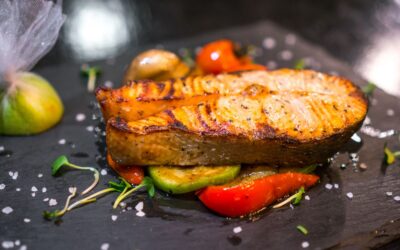
- Spicy Salmon Traybake
- Mediterranean Chickpea and Lentil Bowl
- Power Oats with Espresso, Banana & Cacao
- Chickpea pancakes with Garlic Mushrooms, Spinach & Soft Boiled Eggs
- Creamy Gut Healing Chicken & Vegetable Stew
- Quinoa and Roasted Sweet Potato Salad
This approach can be adapted to local foods, budget, culture and personal tolerance.
Anti Inflammatory Foods to Include More Often
Foods like oily fish, dark leafy green vegetables, rosemary and soy products are among foods that may help support inflammatory balance.
Helpful foods to include regularly may be:
- Oily fish such as salmon, sardines, mackerel and trout
- Dark leafy greens such as spinach, kale, rocket and watercress
- Berries such as blueberries, raspberries and blackberries
- Extra virgin olive oil
- Walnuts, chia seeds and ground flaxseed
- Lentils, chickpeas and beans if tolerated
- Colourful vegetables such as peppers, carrots and beetroot
- Cruciferous vegetables such as broccoli, cabbage and Brussels sprouts
- Herbs and spices such as ginger, turmeric, rosemary and thyme
- Green tea
The key is consistency, not perfection. A few realistic changes repeated often can be more useful than a strict plan that feels impossible to maintain.
What to Reduce Without Becoming Restrictive
Supporting inflammation and Parkinson’s Disease is not only about what to add. It can also help to reduce foods and habits that may increase inflammatory burden for some people.
This may include:
- Frequent ultra processed foods
- Excess added sugar
- Deep fried foods
- Low fibre meals
- Too much alcohol
- Skipping meals
- Poor hydration
- Very low protein intake
- Diets that remove many food groups without clear reason
However, this should not become fear based. Food needs to remain nourishing, enjoyable and practical. Many people with Parkinson’s Disease also need to maintain weight, appetite and muscle strength, so overly restrictive eating can be counterproductive.
Blood Sugar, Energy and Inflammatory Balance
Blood sugar balance is another practical part of inflammation and Parkinson’s Disease.
When meals are very high in refined carbohydrates and low in protein, fibre or healthy fats, blood sugar may rise and fall more quickly. This can contribute to energy dips, cravings, mood changes and fatigue.
Balanced meals are often more supportive. A simple structure is:
- Protein
- Colourful plants
- Fibre rich carbohydrates
- Healthy fats
For example, porridge with ground flaxseed, berries and yoghurt normally more beneficial for your gut and brain health than toast with jam alone (unless you make your own high fibre bread and jam!). A salmon salad with olive oil and sweet potato may provide steadier energy than a plain sandwich and crisps.
This is not about perfect eating. It is about giving the body a steadier foundation.
Explore Personalised Parkinson’s Disease Nutrition Support
Constipation, the Gut and Inflammation
Constipation is common in Parkinson’s Disease and can influence comfort, appetite, bloating and quality of life. It may also affect how well someone feels day to day.
A gut supportive approach may include:
- Gradually increasing fibre
- Drinking enough fluids
- Adding ground flaxseed or chia seeds if tolerated
- Including cooked vegetables daily
- Eating kiwi fruit if tolerated
- Using olive oil in meals
- Moving regularly within personal ability
- Reviewing medication side effects with the healthcare team
Fibre is important, but it needs to be increased carefully. If someone already has bloating, slow digestion or small intestinal bacterial overgrowth, too much fibre too quickly may worsen symptoms.
Personalised guidance can help identify the right starting point.
Lifestyle Support for Inflammation and Parkinson’s Disease
Nutrition is important, but it is not the whole picture.
Inflammatory balance is also influenced by sleep, stress, movement, oral health, toxin exposure and social connection. Even small changes can help support the nervous system.
Helpful foundations may include:
- Gentle daily movement where possible
- Morning daylight exposure
- A calming evening routine
- Regular mealtimes
- Slow breathing before meals
- Dental and oral health support
- Reducing smoking exposure
- Reducing unnecessary chemical exposure at home
- Prioritising connection and support
When Personalised Nutrition Matters
There is no one plan for inflammation and Parkinson’s Disease.
One person may need support with constipation and gut microbiome balance. Another may need help maintaining weight and muscle. Someone else may need support with blood sugar, fatigue, swallowing, reflux, food tolerance or medication timing.
This is why personalised nutrition can be so valuable. It helps connect your symptoms, diagnosis, medications, digestion, lifestyle, food preferences and goals into a realistic plan.
As a nutrition practitioner supporting clients across the United Kingdom and Europe, Melody Mackeown Nutrition offers practical, personalised guidance for people navigating Parkinson’s Disease, digestive symptoms and complex health needs.
Start With a Personalised Nutrition Plan
Final Thoughts
Inflammation and Parkinson’s Disease is an important topic, but it should be approached with balance. Inflammation may be part of the Parkinson’s Disease picture, but it is not the only factor. Diet may help support inflammatory balance, but it is not a cure.
The most helpful approach is usually steady and personalised. Focus on colourful plants, fibre, healthy fats, adequate protein, gut support, hydration, sleep, movement and realistic daily routines.
If you are unsure where to begin, or you feel overwhelmed by conflicting advice, personalised support can help you take the next step with confidence.