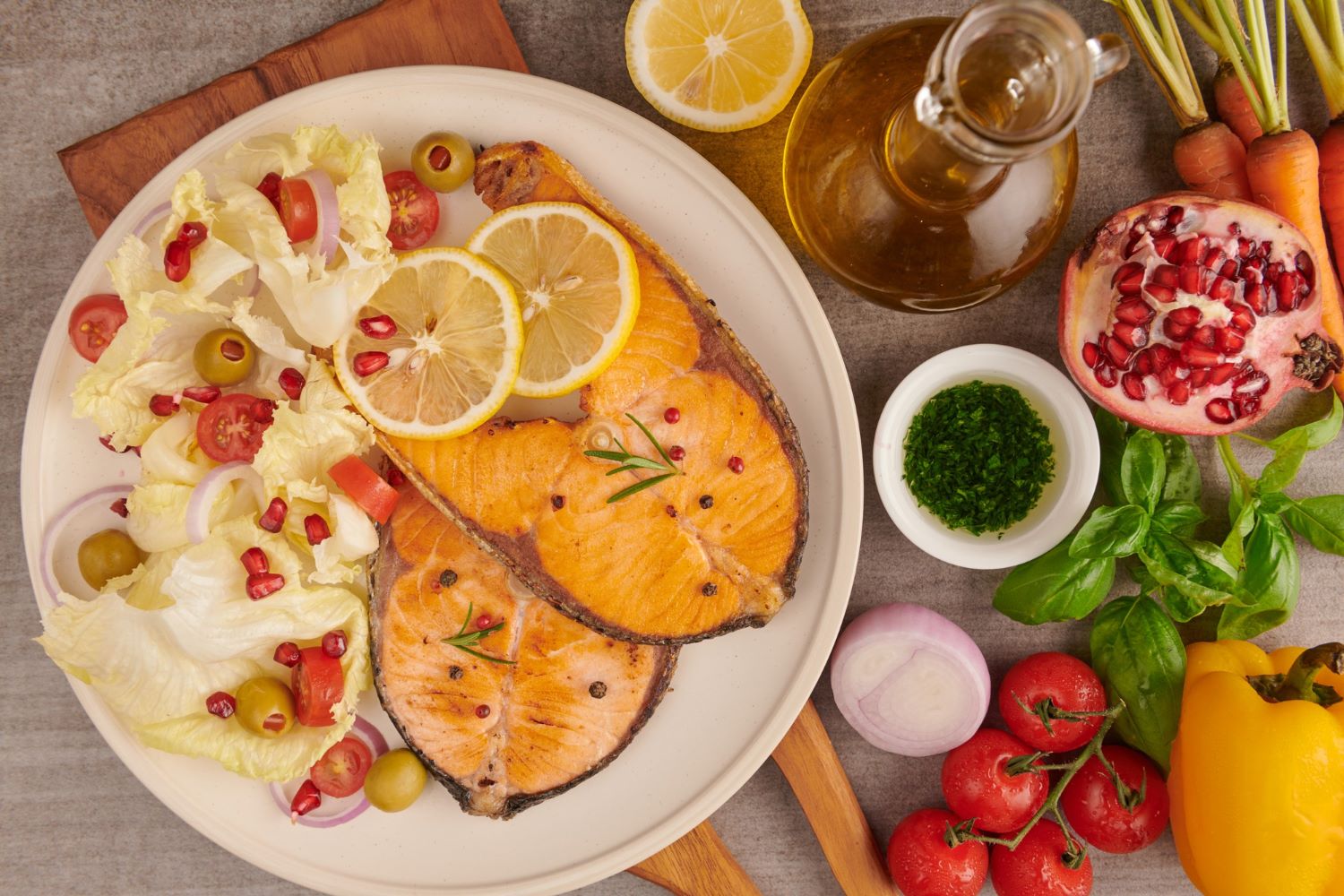
Healthy fats for Parkinson’s Disease can be a helpful part of a balanced, Mediterranean style way of eating. For many years, fats were misunderstood, and many people were told to reduce or avoid them. We now know that fats are not all the same. Some fats can support brain health, heart health, nerve function and the absorption of important vitamins, while others are best kept to smaller, occasional amounts.
When you are living with Parkinson’s Disease, food choices can feel overwhelming. You may be thinking about medication timing, constipation, energy, inflammation, swallowing, weight changes or how to support long term wellbeing. Healthy fats for Parkinson’s Disease are not a cure, and they should never replace medical care, but they can form part of a practical nutrition foundation.
The key is not to remove fats from your diet. The key is to choose the right types of fats more often. This usually means using olive oil, eating nuts and seeds, including oily fish where suitable, and reducing deep fried foods, processed meats, pastries and highly processed snacks.
Review my nutrition programmes
Why Healthy Fats for Parkinson’s Disease Matter
Healthy fats for Parkinson’s Disease matter because fats do far more than provide energy. They help form the structure of cell membranes, support nerve health, assist hormone production and help the body absorb the fat soluble vitamins A, D, E and K.
The brain is a fatty organ, and nerve cells rely on healthy fats for structure and communication. This is one reason why fat quality matters when thinking about brain and cognitive health.
Fats also matter for cardiovascular health. Some people living with Parkinson’s Disease may also be managing blood pressure changes, cholesterol concerns, reduced mobility or other health risks. Choosing more unsaturated fats and fewer processed fats can support a more heart healthy eating pattern.
Healthy fats for Parkinson’s Disease work best as part of a whole diet pattern that also includes colourful vegetables, fruit, wholegrains, protein, fibre and enough fluids.
Understanding the Different Types of Fats
Not all fats behave in the same way. This is why it is more helpful to focus on fat quality rather than simply trying to eat less fat.
Saturated fats are found in foods such as butter, ghee, cream, full fat cheese, fatty cuts of meat, coconut oil and palm oil. These foods do not need to disappear completely, but they are best used in smaller amounts, especially if cholesterol or heart health is a concern.
Trans fats are the least helpful fats. They may be found in some highly processed baked goods, cheap pastries, deep fried foods and products made with partially hydrogenated oils. These are best minimised as much as possible because they are linked with poorer heart health.
Monounsaturated fats are found in olive oil, rapeseed oil, avocados, nuts and seeds. These are a key part of a Mediterranean style diet and are generally considered more heart supportive.
Polyunsaturated fats include omega 3 and omega 6 fats. Omega 3 fats are especially relevant because they support brain, heart and inflammatory pathway regulation. Oily fish such as salmon, sardines, mackerel, trout and herring provide the long chain omega 3 fats EPA and DHA.
The aim is not perfection. The aim is to gently shift your usual fat choices towards olive oil, nuts, seeds, oily fish and other unsaturated fats most of the time.
Olive Oil and Parkinson’s Disease Nutrition
Olive oil is one of the most useful healthy fats for Parkinson’s Disease because it fits naturally into a Mediterranean style eating pattern. Extra virgin olive oil contains monounsaturated fats and polyphenols, which are plant compounds linked with antioxidant and anti-inflammatory properties.
This does not mean olive oil is a treatment for Parkinson’s Disease. It means olive oil can be part of a supportive overall pattern.
You can use olive oil in simple ways:
- Drizzle it over cooked vegetables.
- Use it in salad dressings with lemon juice or vinegar.
- Stir it into soups.
- Use it for gentle cooking.
- Add it to wholegrains, beans or lentils for flavour and energy.
- Use it in dips such as hummus or pesto.
If extra virgin olive oil feels expensive, you can use it for dressings and finishing meals, while using standard olive oil or rapeseed oil for everyday cooking.
Get personalised Parkinson’s Disease nutrition support
Omega 3 Fats and Brain Health
Omega 3 fats are among the most discussed healthy fats for Parkinson’s Disease. These fats are important components of cell membranes and are involved in brain and nerve function.
The most beneficial omega 3 fats for the brain are EPA and DHA, which are found mainly in oily fish. Oily fish includes salmon, sardines, mackerel, trout, herring and pilchards.
Practical ways to include oily fish include:
- Sardines on wholemeal toast.
- Salmon with roasted vegetables.
- Mackerel stirred into a salad.
- Trout with potatoes and greens.
- Tinned salmon mixed with brown rice and cucumber.
- Fishcakes made with salmon or mackerel.
If you do not eat fish, plant sources such as walnuts, ground flaxseed, chia seeds and rapeseed oil provide ALA, a plant based omega 3 fat. The body can convert ALA into EPA and DHA, but this conversion is usually limited. If you are fully fish free, you may want to discuss an algae based omega 3 supplement with your Nutritional Therapist.
Nuts, Seeds and Avocados
Nuts, seeds and avocados are also helpful sources of healthy fats for Parkinson’s Disease. They provide unsaturated fats, fibre, minerals and plant compounds in small, practical portions.
Useful choices include walnuts, almonds, pumpkin seeds, chia seeds, flaxseeds, sunflower seeds, sesame seeds and avocado. These foods can be added to meals without needing much preparation.
Try:
- Ground flaxseed stirred into porridge.
- Chia seeds added to yoghurt.
- Walnuts with fruit.
- Pumpkin seeds sprinkled over soup.
- Avocado mashed onto toast.
- Nut butter spread thinly on wholegrain toast.
- Seeds added to salads or roasted vegetables.
If chewing or swallowing is difficult, choose nut butters, ground seeds or smooth dips rather than whole nuts. Always seek advice from a speech and language therapist or healthcare professional if swallowing is a concern.
When Personalised Support Can Help
General nutrition advice can be helpful, but healthy fats for Parkinson’s Disease often need personalisation. You may need to consider cholesterol, blood pressure, weight changes, constipation, swallowing ability, appetite, medication timing, reflux, diabetes, kidney health or food preferences.
A personalised nutrition plan can help you understand which fats to prioritise, how much to include, how to make meals easier, and how to build a Mediterranean style pattern that fits your life.
If you are based in the United Kingdom, Europe or looking for online support, my nutrition programmes are designed to provide clear, practical steps for people living with Parkinson’s Disease and their caregivers.
Review my nutrition programmes
Final Thoughts
Healthy fats for Parkinson’s Disease are not something to fear. The goal is not to remove fats, but to choose more of the fats that support your brain, heart, nerves and overall wellbeing.
Start gently. Use olive oil more often. Add walnuts or ground flaxseed to breakfast. Include oily fish once a week if you enjoy it. Keep tinned sardines or salmon in the cupboard. Reduce deep fried and highly processed foods gradually.
Small, consistent changes can help shift your fat intake towards a more supportive pattern without making meals feel restrictive.
Healthy fats for Parkinson’s Disease work best when they are part of a wider Mediterranean style approach that includes colourful vegetables, fruit, wholegrains, fibre, protein, fluids and personalised support.