An immune tolerance diet is not about eating perfectly, following strict rules or removing more and more foods. It is about using daily food choices to send calmer, safer signals to your gut, microbiome and immune system over time.
When you are dealing with food sensitivities, bloating, digestive discomfort or unpredictable reactions, it can be tempting to focus only on what to remove. Sometimes short term elimination is needed, especially when symptoms are intense or there are clear medical reasons. However, long term immune tolerance is usually rebuilt through what you gradually add back in.
An immune tolerance diet focuses on plant diversity, fibre, polyphenols, gut barrier support and microbiome balance. These daily inputs help shape the internal environment your immune system is responding to. The aim is not to force foods your body is not ready for. The aim is to gently rebuild tolerance through small, consistent and personalised changes.
If you are based in the United Kingdom, Europe or are working with me online, this approach can be adapted to your symptoms, food preferences, lifestyle and current level of tolerance.
Why an Immune Tolerance Diet Matters
Your immune system is constantly receiving messages from your gut. These messages come from the foods you eat, the bacteria living in your digestive tract, your gut lining, your stress response, your sleep patterns and your overall metabolic health.
When the gut environment feels balanced and safe, the immune system is more likely to respond appropriately. When the gut environment is irritated, inflamed, undernourished or lacking diversity, the immune system may become more reactive.
This is why an immune tolerance diet matters. It gives your body repeated daily signals that may help support immune regulation. Fibre, colourful plant foods, herbs, spices, fermented foods where tolerated, and balanced meals all contribute to this message.
Diet does not work like a quick fix. It works through repetition. What you eat most often matters more than what you do for a few days.
Why Daily Diet Matters More Than Short Term Protocols
Supplements and targeted nutrition strategies can be helpful in the right context, but they are not the whole answer. Your daily diet is one of the most consistent signals your immune system receives.
A highly processed, low fibre or very restricted diet may reduce the beneficial signals coming from your microbiome. Over time, this may make immune tolerance harder to rebuild. In contrast, a varied, fibre rich and colourful diet can help support microbial diversity and gut barrier integrity.
This does not mean you need to eat a huge variety immediately. If your digestion is sensitive, rapid change can backfire. An immune tolerance diet works best when diversity is increased gradually, at a pace your gut can manage.
For many people, the most empowering shift is moving from a restriction mindset to a rebuilding mindset. Instead of asking, “What else should I remove?”, the better long term question is, “What can I safely add back in?”
Plant Diversity and Immune Tolerance
Plant diversity is one of the most important parts of an immune tolerance diet. Different plant foods contain different fibres, polyphenols and natural compounds. These feed different groups of beneficial gut bacteria.
Rather than focusing only on grams of fibre, it is often more helpful to think about variety. Two people might eat the same amount of fibre, but the person eating a wider range of plant foods may provide their microbiome with more diverse fuel.
Plant diversity can include vegetables, fruit, wholegrains, beans, lentils, chickpeas, nuts, seeds, herbs, spices, olive oil, cocoa, green tea and fermented foods where tolerated.
The goal is not to eat every plant food. The goal is to expand gently from where you are now.
Fibre Diversity Matters More Than Fibre Quantity Alone
Fibre is important, but more is not always better at the beginning. If you have bloating, constipation, diarrhoea, reflux, food sensitivities or irritable bowel type symptoms, a sudden fibre increase may make you feel worse.
This is why fibre diversity should be introduced carefully.
An immune tolerance diet may begin with small amounts of tolerated fibre foods and build from there. You might add one new vegetable each week, rotate between different grains, try a small portion of lentils, add herbs to meals or include a teaspoon of seeds rather than a large serving.
Gentle fibre rich foods may include oats, carrots, courgettes, cooked apples, berries, potatoes, rice, lentils, chia seeds, ground flaxseed and leafy greens. The right starting point depends on your symptoms and tolerance.
If your diet has become very restricted, even one new plant food every one to two weeks can be progress.
Short Chain Fatty Acids and Immune Regulation
Short chain fatty acids are compounds produced when beneficial gut bacteria ferment fibre. They are one of the key links between diet, the microbiome and immune regulation.
These compounds help support the gut lining, influence inflammatory signalling and communicate with immune cells.
One of the best known short chain fatty acids is butyrate, which helps nourish cells in the colon and supports gut barrier function. A stronger gut barrier may help reduce unnecessary immune exposure to food particles, microbes and other compounds that should stay within the digestive tract.
You do not usually need to chase one special fibre supplement to support this process. In many cases, the better long term strategy is to support microbiome diversity through a wider range of tolerated plant foods.
Helpful foods may include oats, cooled potatoes, cooled rice, beans, lentils, onions, garlic, leeks, bananas, wholegrains, vegetables and seeds. These should always be introduced according to your tolerance.
Polyphenols and the Gut Microbiome
Polyphenols are natural compounds found in colourful plant foods. They are one reason herbs, spices, berries, olive oil, cocoa, green tea and colourful vegetables can be so valuable in an immune tolerance diet.
Polyphenols can interact with the gut microbiome and may support beneficial bacteria and microbial metabolites.
You can think of polyphenols as another form of plant diversity. They are not just antioxidants. They also help create a more varied chemical environment in the gut.
Common polyphenol rich foods include blueberries, blackberries, raspberries, red cabbage, extra virgin olive oil, green tea, cocoa, rosemary, oregano, thyme, parsley, cinnamon, apples, plums and colourful vegetables.
Small amounts count. A sprinkle of herbs, a handful of berries, a cup of green tea or a drizzle of olive oil can all contribute.
Fermented Foods Where Tolerated
Fermented foods may support gut microbiome diversity, but they are not suitable for everyone at every stage. This is especially important if you are sensitive to histamine, have active digestive flares or react to many foods.
Examples of fermented foods include live yoghurt, kefir, sauerkraut, kimchi, miso and some fermented vegetables.
However, that does not mean everyone should rush into fermented foods. For some people, fermented foods can worsen symptoms. In an immune tolerance diet, the right food at the wrong time may still be too much.
If tolerated, start with very small amounts. This might be one teaspoon of live yoghurt or a tiny amount of fermented vegetables. If symptoms increase, pause and seek personalised guidance.
Get personalised gut and immune tolerance support
Why Long Term Restriction Can Make Tolerance Harder
When foods seem to trigger symptoms, restriction can feel like the safest option. In the short term, removing specific foods may reduce symptoms and give the gut a chance to settle.
However, long term severe restriction can create new problems. A very narrow diet may reduce fibre intake, polyphenol intake, nutrient variety and microbiome diversity. This can make it harder to rebuild immune tolerance over time.
This is why the goal is not simply to avoid more foods forever. The goal is to understand what is driving reactivity and rebuild tolerance carefully where possible.
Food re expansion should be gradual and guided by symptom stability. It may involve starting with tiny portions, choosing cooked forms of foods, rotating foods rather than repeating the same foods daily and tracking responses over time.
An immune tolerance diet is not about forcing foods. It is about finding the safest path back to variety.
How to Build Plant Diversity Safely
Building plant diversity does not need to feel overwhelming. You do not need to overhaul your diet in one week.
Start by looking at what you already tolerate. Then build around that.
If you tolerate carrots, you might try parsnip, butternut squash or sweet potato. If you tolerate rice, you might try oats or quinoa. If you tolerate spinach, you might try rocket, watercress or kale in small amounts. If you tolerate apples, you might try pears or berries.
Another helpful strategy is to rotate foods. Instead of eating the same breakfast every day, you might rotate oats, eggs, yoghurt or a smoothie depending on tolerance. Instead of using the same vegetable every evening, you might rotate courgettes, carrots, broccoli, spinach and peppers.
Mixed vegetable dishes can also help, but only when your gut is ready. Soups, stews, roasted vegetables and tray meals can make variety easier.
For sensitive digestion, cooked foods are often better tolerated than raw foods. Smaller portions are often better tolerated than large portions.
Signs Your Immune Tolerance Diet May Be Helping
Progress with an immune tolerance diet is usually gradual. It may not feel dramatic from one day to the next, but over weeks and months you may notice meaningful changes.
Signs of progress may include more stable digestion, less bloating, more predictable bowel habits, steadier energy, fewer inflammatory flares, calmer skin, better tolerance to previously reactive foods and less fear around eating.
These changes are not guaranteed, and symptoms can still fluctuate. However, a gradual improvement in resilience is often a positive sign.
It can be helpful to track symptoms simply. You do not need a complicated spreadsheet. A few notes about foods, digestion, energy, sleep, stress and reactions can help you see patterns more clearly.
A Simple Immune Tolerance Diet Plate
A supportive plate does not need to be complicated.
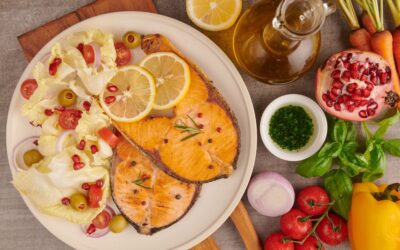
Start with a tolerated protein, such as fish, eggs, chicken, tofu, lentils, beans, yoghurt or nuts and seeds. Add one or two tolerated plant foods, ideally with different colours. Include a carbohydrate that suits your digestion, such as oats, rice, potatoes, quinoa or wholegrain bread. Add healthy fats such as olive oil, avocado, nuts or seeds if tolerated.
Then add flavour through herbs and spices. This is one of the easiest ways to increase plant diversity without adding large volumes of food.
For example, you might have oats with berries and ground flaxseed, vegetable soup with lentils, rice with salmon and cooked greens, roasted vegetables with chickpeas, or yoghurt with berries and cinnamon.
The best immune tolerance diet is not the most impressive one. It is the one your body can tolerate consistently.
When Personalised Support Can Help
General advice can be helpful, but immune tolerance work often needs personalisation.
You may need support if you are reacting to more foods, relying on a very restricted diet, struggling with bloating, constipation, loose stools, reflux, fatigue after meals, skin flares, histamine type symptoms or anxiety around eating.
A personalised nutrition plan can help identify where to begin. For one person, the priority may be fibre tolerance. For another, it may be gut barrier support, blood sugar balance, stress regulation, nutrient status, bowel regularity or careful food reintroduction.
If you are based in the United Kingdom, Europe or looking for online support, my nutrition programmes are designed to help you move away from guesswork and towards a clear, practical plan.
Final Thoughts
An immune tolerance diet is a long term tool. It is not a quick protocol, a strict elimination plan or a list of perfect foods.
The foundations are simple, but powerful. Increase plant diversity gradually. Support fibre fermentation. Include polyphenol rich foods. Use fermented foods only where tolerated. Avoid unnecessary long term restriction. Rebuild variety at a pace your body can manage.
Small changes repeated consistently can help create a calmer gut environment and support better immune signalling over time.
The aim is not to tolerate fewer foods. The aim is to help your body become more resilient, more regulated and more confident with food again.