For many people living with Parkinson’s Disease, digestive symptoms can be just as frustrating as movement symptoms. Constipation, bloating, slow digestion, reflux, changes in appetite and unpredictable medication response can all affect daily comfort and quality of life.
This is why interest in probiotics for Parkinson’s Disease has grown so much in recent years. Researchers are increasingly looking at the gut microbiome, which is the community of bacteria, fungi and other microorganisms living in the digestive tract. These microorganisms help influence digestion, immune signalling, inflammation, gut barrier health and even the way the gut communicates with the brain.
The topic can feel confusing because probiotics, prebiotics and synbiotics are often discussed together. They are connected, but they are not the same.
Probiotics are live microorganisms that may offer a health benefit when taken in the right amount. Prebiotics are specific fibres or compounds that feed beneficial gut bacteria. Synbiotics combine live microorganisms with selected fibres or substrates that support them.
For people with Parkinson’s Disease, the aim is not to use probiotics or prebiotics as a cure. The aim is to explore whether a more supported gut environment may help with digestive comfort, bowel regularity, microbiome balance and general wellbeing.
Review My Parkinson’s Disease Nutrition Programmes
Why Gut Health Matters in Parkinson’s Disease
The gut and brain are in constant communication. This is often called the gut brain connection. In Parkinson’s Disease, this connection is especially important because digestive symptoms may appear years before movement symptoms in some people.
This does not mean the gut alone causes Parkinson’s Disease. Parkinson’s Disease is complex and involves the nervous system, genetics, environment, inflammation, mitochondrial function, immune signalling and other factors. However, the gut may be an important part of the wider picture.
When the gut microbiome is less diverse or less balanced, it may affect:
- Bowel regularity
- Gut barrier function
- Immune signalling
- Inflammatory balance
- Production of short chain fatty acids
- Digestive comfort
- Absorption and metabolism of some medicines
- Communication between the gut and nervous system
Probiotics for Parkinson’s Disease and Constipation
Constipation is one of the strongest areas of research when discussing probiotics for Parkinson’s Disease. It is also one of the symptoms people most often want help with.
Constipation in Parkinson’s Disease can happen for several reasons. Slower gut motility, reduced movement, changes in fluid intake, medication effects, pelvic floor function and changes in the nervous system can all contribute.
Probiotics for Parkinson’s Disease may help some people, particularly with constipation, but results vary. A supplement that helps one person may not help another, and food based strategies are often the best foundation.
What the Latest Probiotic Research Suggests
A small Parkinson’s UK funded clinical trial published in 2025 looked at a liquid probiotic in 74 people with Parkinson’s Disease who experienced constipation. Parkinson’s UK reported that the 12-week study found improvements in constipation and fatigue, changes in gut bacteria, possible reductions in gut inflammation and a quicker time for medication to begin working.
This is promising, especially because it looked beyond constipation alone. However, it was still a small trial, and it does not mean every probiotic product will produce the same results and nor does it mean that this probiotic will help you, it might, but there are also other options that might work better for you.
When choosing probiotics for Parkinson’s Disease, it is important to remember that probiotic benefits are strain specific. In other words, one product cannot be assumed to work the same way as another. Quality, dose, strains, storage, survival through digestion and the person’s existing microbiome may all influence the response.
A practical way to explain this to readers is:
- Probiotics are not all the same
- More strains does not always mean better results
- A higher dose is not automatically better
- Some people experience bloating when starting probiotics
- Benefits may take time
- Constipation may need more than probiotics alone
- Medication timing and medical history matter
For clients across the United Kingdom and Europe, personalised support can be especially helpful because supplement availability, product quality and healthcare guidance can vary.
What Are Prebiotics and Why Do They Matter?
Prebiotics are often overlooked because probiotics get more attention. Yet prebiotics may be just as important, especially for people trying to build a healthier gut environment through food.
Prebiotics feed beneficial bacteria already living in the gut. When these bacteria ferment certain fibres, they can produce short chain fatty acids. These compounds help support the gut lining, immune balance and bowel health.
Prebiotic rich foods may include:
- Oats
- Onions
- Garlic
- Leeks
- Asparagus
- Chicory root
- Jerusalem artichoke
- Lentils
- Chickpeas
- Beans
- Green bananas
- Apples
- Ground flaxseed
- Psyllium husk
- Cooked and cooled potatoes or rice
However, prebiotic foods need to be introduced carefully. Some people with Parkinson’s Disease also experience bloating, small intestinal bacterial overgrowth, reflux or irritable bowel type symptoms. For these people, suddenly increasing onions, garlic, beans or large amounts of fibre can make symptoms worse.
A gentler approach might include starting with small amounts of oats, cooked vegetables, chia seeds, ground flaxseed or kiwi fruit. The goal is to build tolerance gradually rather than force the gut to cope with too much too soon.
Food First Support Before Supplements
Probiotics for Parkinson’s Disease can be useful for some people, but they should not replace the foundations of gut health.
Before reaching for supplements, it is worth reviewing:
- Are you drinking enough fluid each day?
- Are you eating enough fibre for your tolerance level?
- Are you moving your body in a way that supports bowel function?
- Are you eating regular meals?
- Are you leaving enough time to use the toilet without rushing?
- Are your medications contributing to constipation?
- Are you getting enough magnesium, omega 3 fats and plant variety?
- Are you reacting to certain high fibre or fermented foods?
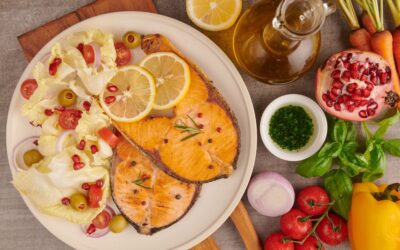
Food based support may include:
- Oats with ground flaxseed and berries
- Lentil soup with olive oil and herbs
- Cooked vegetables with fish or eggs
- Stewed apple with cinnamon
- Kiwi fruit if tolerated
- Yoghurt or kefir if dairy is tolerated
- Sauerkraut or kimchi in small amounts if tolerated
- Chia pudding with berries
- Mediterranean style meals with olive oil, vegetables, pulses and herbs
Explore Personalised Parkinson’s Disease Nutrition Support
Fermented Foods and Parkinson’s Disease
Fermented foods are foods made using microorganisms such as bacteria or yeasts. Some fermented foods contain live microbes, although not all fermented foods qualify as probiotics.
Examples may include:
- Live yoghurt
- Kefir
- Sauerkraut
- Kimchi
- Miso
- Tempeh
- Kombucha
Fermented foods can be helpful for some people, but they are not automatically suitable for everyone. People with histamine sensitivity, reflux, bloating, medication side effects or fragile digestion may need a careful approach.
Start small. A tablespoon of sauerkraut or a few spoonfuls of kefir may be enough at first. If symptoms worsen, stop and review with a qualified practitioner.
This is also where personalised nutrition matters. A person with constipation may benefit from different strategies compared with someone who has bloating, loose stools, reflux, poor appetite or swallowing difficulties.
A Gentle Step by Step Approach
Rather than starting several supplements at once, a gentle plan may be more effective.
Step 1
Track bowel habits, bloating, stool form, fluid intake, fibre intake and medication timing for one to two weeks.
Step 2
Improve hydration and meal regularity before adding new supplements.
Step 3
Add one tolerated fibre source, such as oats, ground flaxseed, chia seeds or cooked vegetables.
Step 4
Consider fermented foods in very small amounts if tolerated.
Step 5
Discuss probiotics for Parkinson’s Disease with a qualified practitioner, especially if you have constipation or repeated digestive symptoms.
Step 6
Introduce one product at a time and monitor symptoms.
Step 7
Review after four to twelve weeks rather than changing too many things too quickly.
This measured approach gives the body time to adapt and helps identify what is actually helping.
Why Personalised Nutrition Matters
There is no single probiotic, prebiotic or diet plan that works for everyone with Parkinson’s Disease.
One person may need constipation support. Another may need help with reflux or bloating. Someone else may need careful medication timing, weight maintenance, swallowing support, blood pressure support or strategies for fatigue.
This is why personalised nutrition can be so valuable. It helps bring together your symptoms, diagnosis, medication routine, digestive history, food tolerance, lifestyle, stress levels and personal goals.
As a nutrition practitioner supporting clients across the United Kingdom and Europe, Melody Mackeown Nutrition offers practical support for people navigating Parkinson’s Disease, digestive symptoms and the wider gut brain connection. The aim is not to overwhelm you with rules, but to help you understand what your body may need and where to begin.
Final Thoughts
Probiotics for Parkinson’s Disease are an exciting area of research, particularly for constipation and gut health. Current evidence suggests they may help some people, but they are not a cure and should not replace medical care.
Prebiotics are also important because they feed beneficial gut bacteria and support the production of compounds that help maintain gut health. Fermented foods may be useful for some people, but they should be introduced carefully and matched to tolerance.
The strongest approach is usually not one supplement. It is a personalised plan that combines hydration, fibre, plant variety, movement, meal rhythm, medication timing, constipation support and careful use of probiotics or prebiotics where appropriate.
If you are living with Parkinson’s Disease and feel unsure about your gut symptoms, food choices or supplement options, you do not need to keep guessing.