Pesticides and Parkinson’s Disease is a topic that can understandably raise concern. Many people living with Parkinson’s Disease want to know whether choosing organic food is worth it, whether pesticide residues on food matter, and how to make sensible choices without feeling anxious or overwhelmed.
The relationship between pesticides and Parkinson’s Disease is complex. Some studies have linked long term, higher level pesticide exposure with an increased risk of developing Parkinson’s Disease. This is most often discussed in relation to occupational exposure, agricultural work, contaminated water, living near treated fields or using hazardous chemicals over time without appropriate protection.
Food residues are a much lower level exposure than agricultural or occupational exposure. However, because food is something we eat every day over many years, it is reasonable to think about how to reduce unnecessary exposure where practical.
The goal is not to become fearful of food. It is also not to make organic food feel like the only healthy option. The goal is to make calm, realistic choices that support your brain, gut and overall wellbeing while keeping your diet varied and enjoyable.
If you are living in the United Kingdom, across Europe or working with me online, personalised nutrition support can help you understand how this fits into your wider Parkinson’s Disease food plan.
Why Pesticides and Parkinson’s Disease Are Discussed
Pesticides and Parkinson’s Disease are often discussed because environmental factors may influence Parkinson’s Disease risk in some people. Parkinson’s Disease is not usually caused by one single factor. It is thought to involve a combination of age, genetics, environmental exposures and individual vulnerability.
This does not mean every pesticide exposure will cause Parkinson’s Disease. It also does not mean that eating conventional fruit and vegetables is unsafe. It means the evidence is strong enough to take sensible exposure reduction seriously, without creating unnecessary fear.
For someone already living with Parkinson’s Disease, the focus is usually not on looking backwards or trying to identify one cause. The more helpful question is, “What practical food and lifestyle choices can support my health now?”
Food Residues Are Different From Occupational Exposure
It is important to separate two different types of exposure.
Higher level exposure may happen through agricultural work, pesticide application, contaminated environments or repeated contact with certain chemicals over time. This is the type of exposure most often discussed in research on pesticides and Parkinson’s Disease.
Food residue exposure is different. It is usually lower level and regulated. In the United Kingdom, pesticide residues in food are monitored, and maximum residue levels are set as legal limits for pesticide residues in food and feed.
Even so, some people prefer to reduce food residue exposure where possible. That is a reasonable precaution, especially when done in a balanced way.
Is Organic Food Worth It With Parkinson’s Disease
Organic food can be worth considering if it fits your budget, lifestyle and personal values. For some people, choosing organic feels like a helpful way to reduce exposure to certain chemicals used in food production. For others, it may not be affordable or easy to access every week.
The most important point is that organic food is not essential for a nourishing Parkinson’s Disease supportive diet.
If you can buy some organic foods, that may be a useful choice. If you cannot, you can still support your health with conventional vegetables, fruits, wholegrains, beans, lentils, nuts, seeds, olive oil, fish and other minimally processed foods.
A varied, colourful, Mediterranean style eating pattern matters more than whether every item in your basket is organic. If worrying about organic food makes you avoid vegetables and fruit altogether, it becomes counterproductive.
A practical approach is to focus on what feels realistic. You may choose organic for a few foods you eat often, wash fresh produce well, buy seasonal options where possible, and keep your overall diet varied.
The goal is not perfection. The goal is to make informed food choices that feel calm, manageable and supportive of your long term wellbeing with Parkinson’s Disease.
Conventional Produce Still Has Many Benefits
One of the most important messages in this blog is that conventional vegetables, fruits and wholegrains are still valuable.
If worrying about pesticides stops you from eating fruit and vegetables, that becomes counterproductive. Vegetables and fruits provide fibre, antioxidants, vitamins, minerals and plant compounds that support gut health, brain health and overall wellbeing.
For people living with Parkinson’s Disease, increasing plant foods can be one of the most helpful nutrition foundations. If you would like to understand this in more detail, my blog on Fruits and Vegetables in Parkinson’s Disease explains why colour, fibre and plant variety matter.
The best choice is not always organic. The best choice is the one you can access, afford, prepare and eat consistently.
A Practical Way to Think About Organic Food
Pesticides and Parkinson’s Disease can quickly become an overwhelming topic if you try to make every food decision perfect.
A more practical approach is to think about where organic food may matter most for you personally. This will depend on your budget, how often you eat certain foods, whether you eat the skin, what is available locally and how much mental energy you want to spend on food decisions.
For some people, it may make sense to choose organic for a few frequently eaten foods. For others, it may be more realistic to focus on washing produce well, choosing seasonal foods, buying from trusted growers and eating a wider variety of plant foods.
There is no single right answer. This is exactly where personalised support can be helpful.
Get personalised Parkinson’s Disease nutrition support
Washing and Preparing Produce
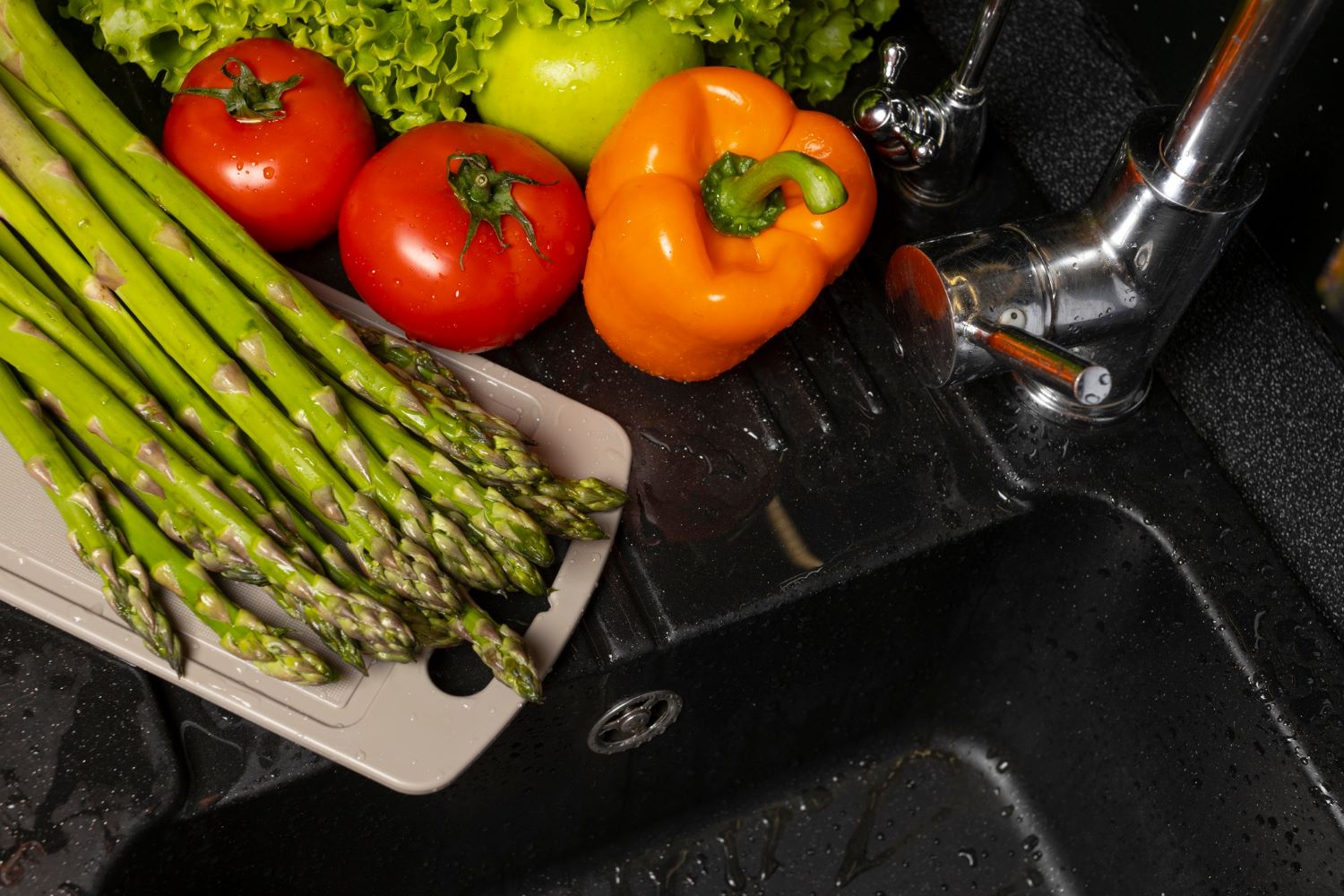
Whether food is organic or conventional, washing fruit and vegetables is still important.
Washing is not a perfect solution, and it may not remove every residue. However, it can help remove dirt and some surface contamination. Peeling may also reduce surface residues in some foods, although it can also remove some fibre and nutrients from the skin.
The aim is not to become obsessive. The aim is to build simple, steady habits around food preparation.
For many people, that might mean washing produce well, choosing a variety of foods and not relying on the same few items every day.
Local and Seasonal Food Choices
Local and seasonal food can be useful when it is available and affordable. It may be fresher, may have travelled less and may help you feel more connected to the food you are eating.
In the United Kingdom and across Europe, farmers markets, veg box schemes and local growers may offer opportunities to ask about how food is grown. Some small farms may not be certified organic, but may still use lower input or more traditional growing methods. Others may be fully certified organic.
This does not mean local is always better or that imported food should be avoided. It simply gives you another option to consider.
If you are already feeling overwhelmed by food choices, start with the basics first. Eating enough vegetables, fruit, fibre, protein and healthy fats matters more than chasing the perfect source of every ingredient.
Healthy Fats, Fibre and Food Quality
When thinking about pesticides and Parkinson’s Disease, it is easy to focus only on what to avoid. However, Parkinson’s Disease nutrition should also focus on what to include.
Healthy fats from olive oil, nuts, seeds and oily fish can support a Mediterranean style pattern. Fibre from vegetables, fruit, wholegrains and legumes can support gut health and bowel regularity. Protein can support strength and healthy ageing.
These foundations often matter more than whether every food is organic.
You can read more about fats in my blog on Omega 3s for Parkinson’s Disease and more about protein in my blog on Protein and Parkinson’s Disease.
When Personalised Support Can Help
General advice can be useful, but pesticides and Parkinson’s Disease can feel very personal. You may be wondering whether to buy organic, how to prioritise your food budget, whether certain foods are worth changing, or how to support your body without making life more complicated.
A personalised approach can help you look at the whole picture. This may include your current diet, symptom pattern, constipation, appetite, energy, budget, cooking ability, shopping habits and environmental concerns.
The aim is not to give you a rigid list of rules. The aim is to help you make confident, realistic choices that fit your life.
If you are based in the United Kingdom, Europe or looking for online support, my Parkinson’s Disease nutrition programmes are designed to help you build a practical food plan that supports your health without unnecessary overwhelm.
Final Thoughts
Pesticides and Parkinson’s Disease is a complex topic, but your daily food choices do not need to become complicated.
Organic food may reduce exposure to some pesticide residues and can be a good choice when it is accessible and affordable. However, organic food is not essential for a nourishing Parkinson’s Disease supportive diet.
If your budget does not stretch to organic, you can still support your health through a varied Mediterranean style pattern, plenty of vegetables and fruits, wholegrains, protein, healthy fats and fewer ultra processed foods.
The most helpful approach is calm and practical. Reduce unnecessary exposure where you can, but do not let pesticide worry stop you from eating the colourful plant foods your body needs.
With the right support, you can make food choices that feel informed, realistic and confidence building.