Protein plays a vital role in maintaining strength, supporting immune function and repairing tissues. For individuals living with Parkinson’s Disease, protein becomes even more important, particularly as muscle loss, fatigue and changes in mobility can occur over time.
However, protein and Parkinson’s Disease is not just about how much protein you eat. It is also about the type, timing and balance of protein sources within your diet.
The goal is not to make food feel complicated. It is to help you understand how protein can support your strength, brain health, energy and independence in a way that works alongside your medication and daily routine.
Why protein and Parkinson’s Disease matters
Proteins are made up of amino acids, which are often described as the building blocks of the body. These amino acids are essential for maintaining muscle mass, supporting the immune system and helping the body recover from illness, stress or injury.
In Parkinson’s Disease, maintaining muscle strength is particularly important, as it supports:
• Mobility and balance
• Independence in daily activities
• Reduced risk of falls
• Better resilience as you age
Adequate protein intake can also help prevent unintended weight loss, which can sometimes occur as Parkinson’s Disease progresses. This may happen because of changes in appetite, swallowing, digestion, fatigue, tremor, medication effects or the extra effort needed for daily movement.
Good, consistent protein intake can help to:
• Support mobility and balance by preserving muscle mass
• Maintain independence with everyday tasks such as getting up from a chair or walking
• Reduce the risk of falls and frailty as you age
• Protect against unintended weight loss, which can sometimes appear as Parkinson’s Disease progresses
Rather than saving all your protein for one meal, it is usually more helpful to include a source of protein at each main meal, adjusted to your appetite, body weight, symptoms and medication routine.
Explore Parkinson’s Disease nutrition support
Protein and Parkinson’s Disease medication timing
Protein and Parkinson’s Disease can sometimes feel confusing because of the relationship between dietary protein and levodopa. Some people taking levodopa notice that a high protein meal affects how well their medication works. This does not mean protein should be avoided. It means protein timing may need to be personalised.
For some people, spreading protein evenly across the day works well. For others, shifting a larger protein meal later in the day may be discussed with their healthcare team. This should always be done with guidance from a GP, neurologist, dietitian or qualified nutrition professional, especially if you are losing weight, feeling weak or struggling with appetite.
The aim is to protect strength and nutrition while also supporting medication effectiveness.
Protein and Parkinson’s Disease in real life
Food choices need to work in real life. When you are living with Parkinson’s Disease, cooking can be affected by tremor, stiffness, fatigue, low mood, digestion, shopping difficulties or the need for support from family and carers.
This is why protein and Parkinson’s Disease nutrition should be practical, not perfect.
Helpful ideas include:
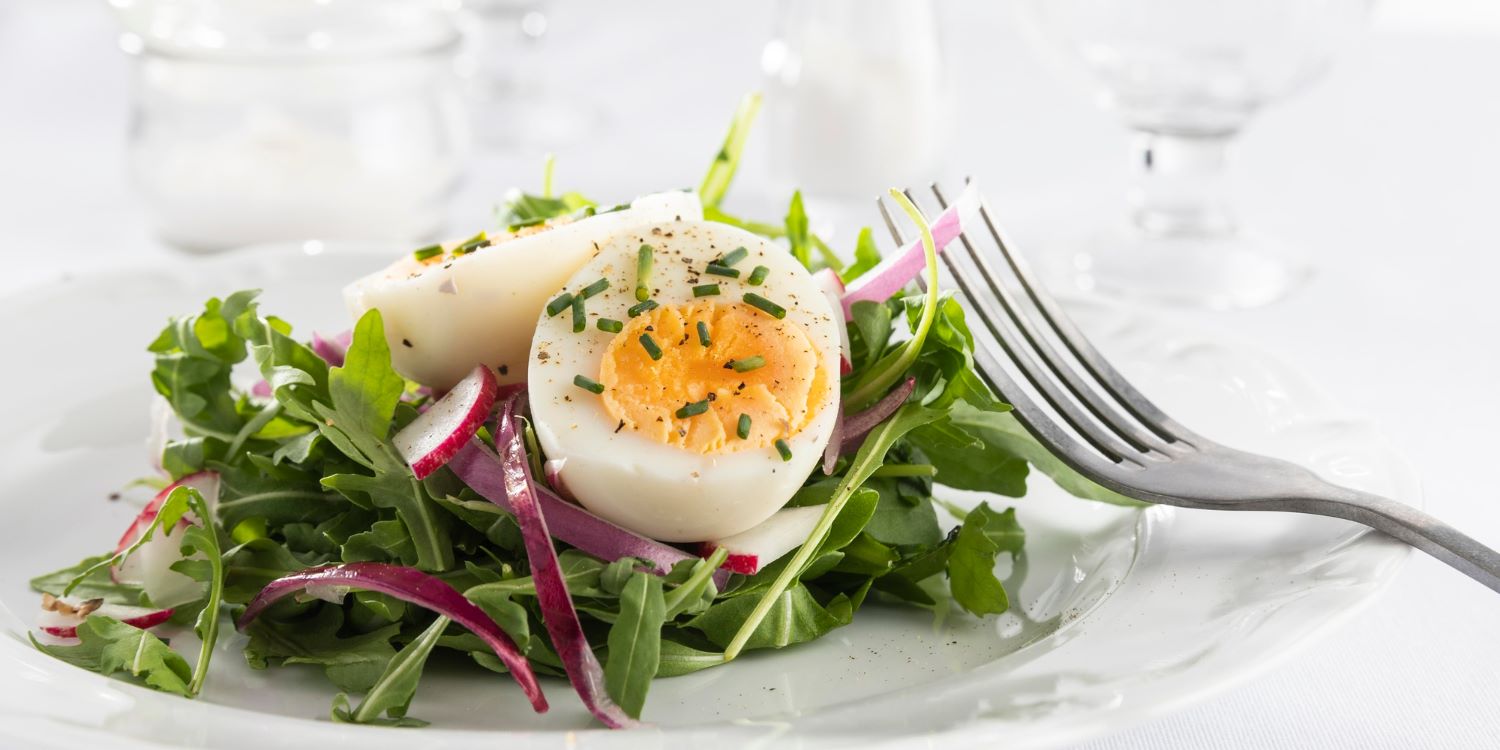
• Keeping eggs, yoghurt, tinned fish, beans and lentils available for easy meals
• Using pre chopped vegetables, frozen vegetables or ready cooked grains when energy is low
• Batch cooking soups, stews and casseroles on better days
• Adding nut butter, seeds or Greek yoghurt to breakfasts and snacks where tolerated
• Asking family, friends or carers to help with food preparation
• Choosing softer protein foods if chewing or swallowing feels difficult
If swallowing is difficult, please speak to your GP, neurologist or speech and language therapist before making major dietary changes.
Keeping an eye on the bigger picture
Protein is a cornerstone of your Parkinson’s Disease supportive diet, but it is still just one part of the whole. You also need:
• Plenty of vegetables and fruits for vitamins, minerals and antioxidants
• Wholegrains and other fibre rich carbohydrates for steady energy and gut health
• Healthy fats from olive oil, nuts, seeds and fish
• Adequate fluids to help fibre work properly and support blood pressure and concentration
Within that framework, focusing on a variety of protein sources can help you build strength, support your immune system and nourish your brain. This may include plant based options, fish, poultry, eggs, dairy and modest amounts of animal protein, depending on your preferences and needs.
Over time, these choices can contribute to a pattern of eating that works with your medication, not against it, and helps you stay as strong and independent as possible while living with Parkinson’s Disease.
Final thoughts
Protein and Parkinson’s Disease is an important topic because strength, mobility, appetite, medication timing and brain health are all connected. The aim is not to avoid protein or overthink every meal. The aim is to include the right amount, from the right mix of foods, in a way that supports your body and fits your daily life.
If you would like tailored help with protein, medication timing, digestion, weight changes or energy, review my nutrition programmes and book a discovery call. Personalised Parkinson’s Disease nutrition support can help you feel clearer, more confident and less overwhelmed by food choices.