When you are living with celiac disease, breakfast can sometimes feel more complicated than it should. Many traditional breakfast options contain gluten, and even foods that seem safe may carry a risk of cross contamination. This gluten free quinoa breakfast bowl is designed to be simple, nourishing and easy to adapt, while still feeling comforting and satisfying.
This recipe uses naturally gluten free ingredients such as quinoa, berries, chia seeds, yoghurt, nuts and cinnamon. It is a lovely option for those who want a balanced breakfast that supports energy, fibre intake and variety within a gluten free diet.
A well planned gluten free diet should not feel restrictive. This gluten free quinoa breakfast bowl gives you a gentle way to include protein, fibre, healthy fats and colourful plant foods in one easy meal.
Why This Gluten Free Quinoa Breakfast Bowl Works Well
This gluten free quinoa breakfast bowl is a practical choice because it uses simple ingredients that are naturally free from gluten. Quinoa is often thought of as a savoury grain, but it works beautifully as a warm breakfast base too.
For someone with celiac disease, the goal is not only to remove gluten. The aim is also to create meals that feel balanced, enjoyable and sustainable. This bowl offers:
Fibre from quinoa, berries and chia seeds
Protein from quinoa, yoghurt and nuts
Healthy fats from seeds and nuts
Colourful plant foods for variety
A naturally sweet flavour without relying heavily on refined sugar
This gluten free quinoa breakfast bowl can also be prepared ahead of time, which makes it useful for busy mornings.
Gluten Free Quinoa Breakfast Bowl Recipe
Serves
2 portions
Preparation Time
10 minutes
Cooking Time
15 minutes
Ingredients
1 cup cooked quinoa or ½ cup uncooked quinoa
1 cup milk of choice, such as dairy milk, almond milk or oat milk that is certified gluten free
½ teaspoon cinnamon
1 teaspoon vanilla extract
1 tablespoon chia seeds
½ cup plain Greek yoghurt or coconut yoghurt
½ cup blueberries
½ cup strawberries, sliced
1 tablespoon chopped walnuts or almonds
1 teaspoon pumpkin seeds
1 teaspoon maple syrup or honey, optional
A small pinch of salt
Important Gluten Free Note
If using oats, oat milk or any packaged ingredients, choose products that are clearly labelled certified gluten free. Some naturally gluten free foods may still be exposed to gluten during processing or packaging.
For celiac disease, cross contamination matters. Always check labels carefully and avoid ingredients that may have been processed in shared facilities unless they are suitable for a gluten free diet.
Method
Step 1: Rinse the Quinoa
Rinse the quinoa well under cold water using a fine sieve. This helps remove the natural coating, which can sometimes taste bitter.
Step 2: Cook the Quinoa
Add the rinsed quinoa, milk, cinnamon, vanilla extract and a small pinch of salt to a saucepan. Bring to a gentle simmer, then cook for about 12 to 15 minutes, stirring occasionally, until the quinoa is soft and creamy.
If the mixture becomes too thick, add a splash more milk.
Step 3: Stir in the Chia Seeds
Once the quinoa is cooked, stir in the chia seeds. Leave the mixture to sit for 3 to 5 minutes so it can thicken slightly.
Step 4: Add the Toppings
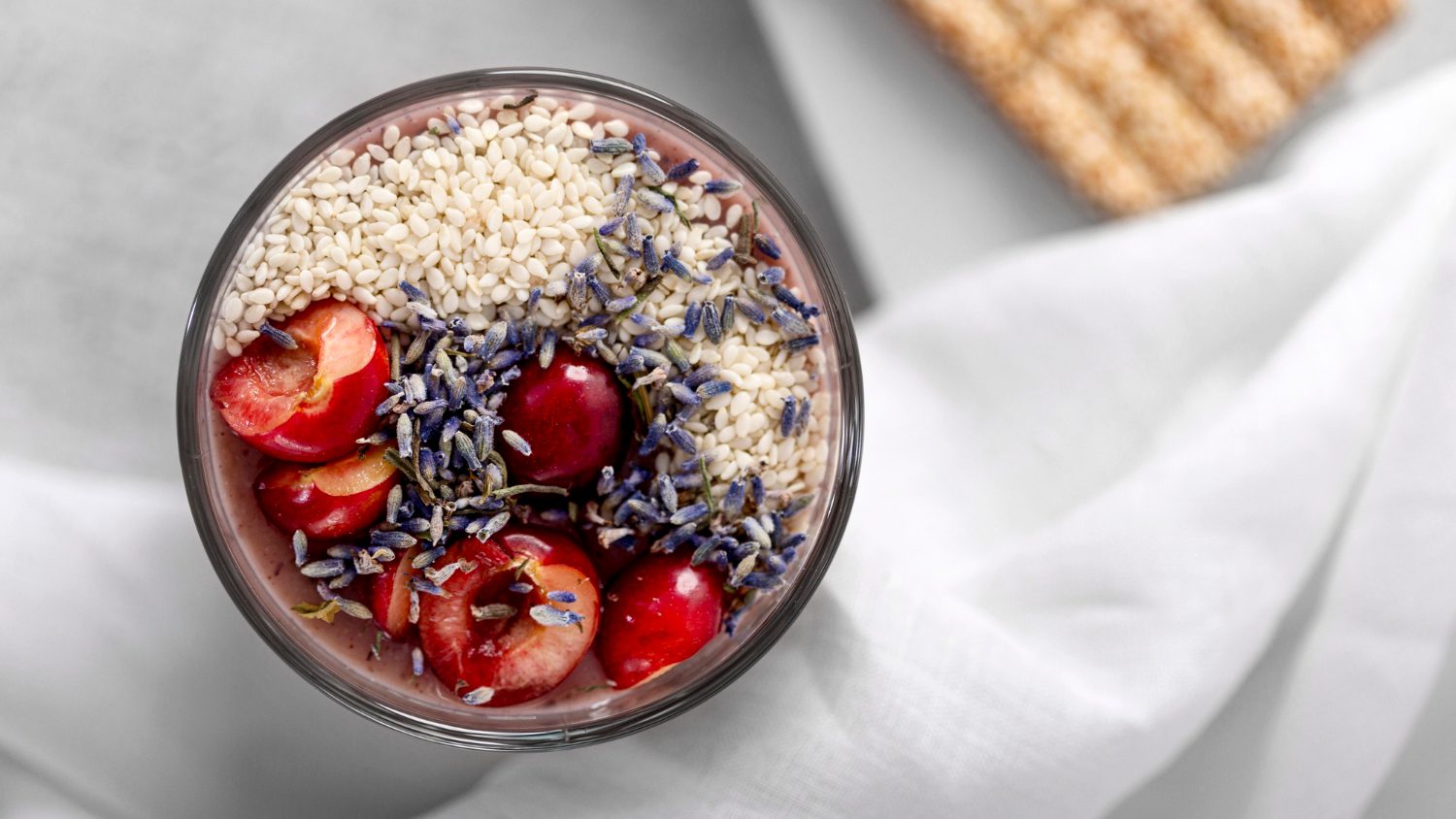
Spoon the warm quinoa into two bowls. Add yoghurt, blueberries, strawberries, chopped nuts and pumpkin seeds.
Drizzle with a little maple syrup or honey if you prefer a sweeter breakfast.
Step 5: Serve and Enjoy
Serve warm for a comforting breakfast, or allow it to cool and store it in the fridge for the next day.
Need to Know
This gluten free quinoa breakfast bowl is easy to adapt depending on your preferences and tolerance.
If you are dairy free, use coconut yoghurt or another suitable gluten free dairy alternative.
If you prefer a nut free version, leave out the walnuts or almonds and use extra pumpkin seeds or sunflower seeds.
If you want more protein, add an extra spoonful of Greek yoghurt or serve with a boiled egg on the side.
If you are sensitive to fibre, start with a smaller portion of chia seeds and berries, then increase slowly as tolerated.
If you are newly diagnosed with celiac disease, it may take time to learn which foods feel best for your digestion. A Nutritional Therapist can help you build confidence with balanced gluten free meals.
Practical Nutrition Notes
This gluten free quinoa breakfast bowl can be helpful for people who want a breakfast that feels filling without relying on gluten free packaged cereals or bread.
While gluten free packaged foods can be useful, they are not always rich in fibre, iron, folate, calcium or other nutrients. Adding naturally gluten free whole foods can help improve the overall quality of the diet.
Quinoa provides plant based protein and fibre. Berries add colour and natural sweetness. Chia seeds and nuts provide healthy fats and texture. Yoghurt adds creaminess and can contribute protein and calcium, depending on the type used.
This recipe does not replace medical care or dietetic advice, but it can be a practical meal idea for someone building a more varied gluten free diet.
Cross Contamination Tips for This Recipe
For someone with celiac disease, a recipe is only truly gluten free if it is prepared safely.
Use a clean chopping board and utensils.
Check that nuts, seeds and chia seeds are labelled gluten free where possible.
Avoid using a wooden spoon or scratched pan that may have been used with gluten containing foods.
Store gluten free ingredients separately from wheat flour, breadcrumbs and regular cereals.
Do not share toppings such as yoghurt, jam or nut butter if crumbs may have entered the jar.
These small habits can make gluten free eating feel safer and more manageable over time.
Why Personalised Support Can Help
Even with careful gluten free eating, some people continue to struggle with bloating, bowel changes, fatigue or uncertainty around food choices. This can happen for many reasons, including nutrient gaps, hidden gluten exposure, digestive sensitivity or broader gut health concerns.
A personalised nutrition approach can help you move beyond simply avoiding gluten. It can support you with meal planning, label reading, balanced food choices, nutrient reviews and realistic routines for eating at home, at work and when travelling.
If you are feeling unsure about what to eat after a celiac disease diagnosis, this gluten free quinoa breakfast bowl is a simple place to start.