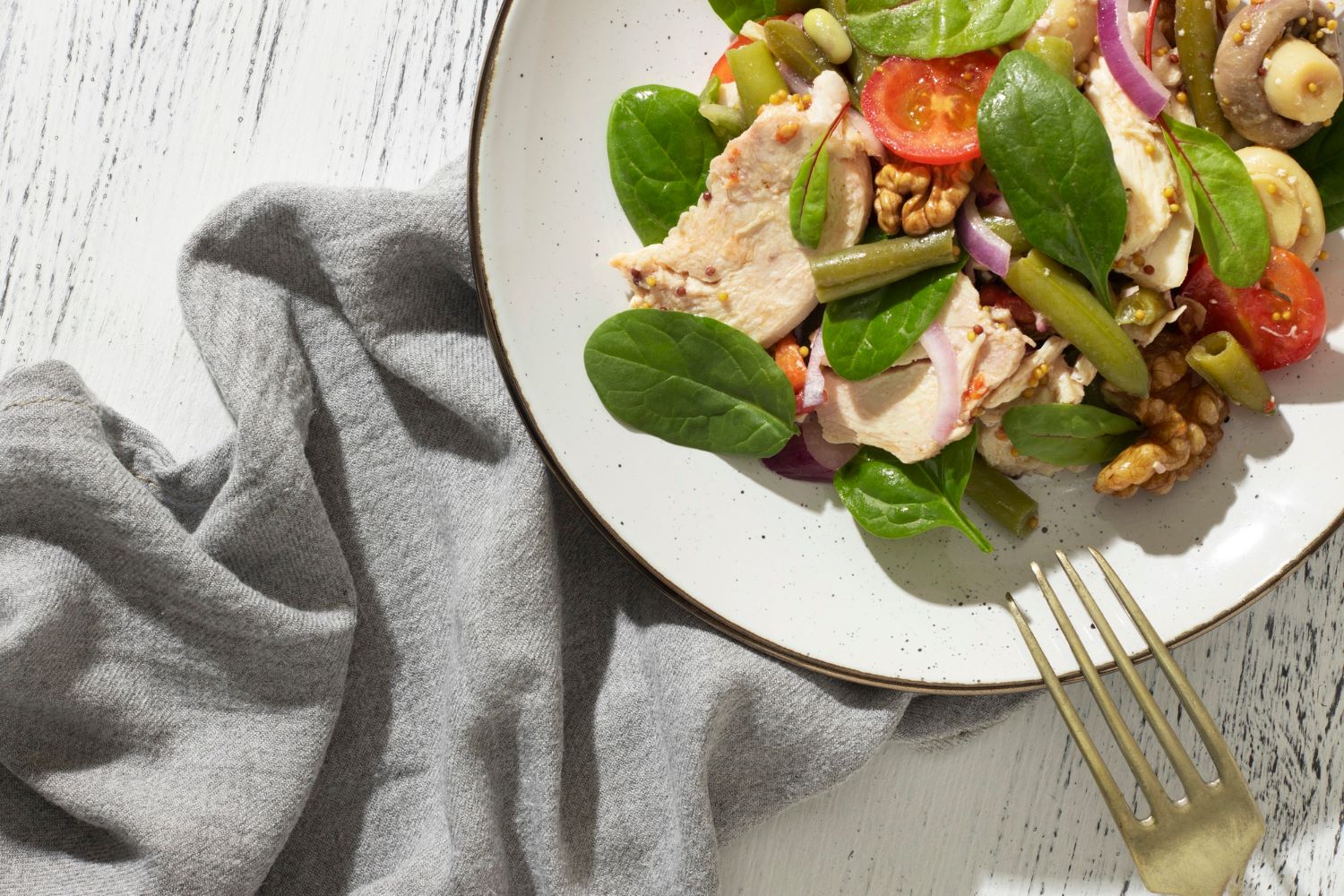
If you are looking for a practical and nourishing way to support both gut and brain health, the Mediterranean diet for Parkinson’s Disease offers a powerful, evidence-informed approach. This way of eating is rich in colourful plant foods, healthy fats, and whole foods that help support the gut microbiome, reduce inflammation, and promote overall wellbeing.
For individuals living with Parkinson’s Disease, nutrition can play a meaningful role in supporting digestive health, energy levels, and quality of life. The Mediterranean diet provides a sustainable and enjoyable way to do just that.
Why the Mediterranean Diet for Parkinson’s Disease Matters
The connection between gut health and Parkinson’s Disease is gaining increasing attention. Research suggests that changes in the gut microbiome and inflammation may play a role in how Parkinson’s Disease develops and progresses.
The Mediterranean diet for Parkinson’s Disease supports the gut by:
- Feeding beneficial gut bacteria
- Encouraging the production of short chain fatty acids
- Supporting the gut lining
- Reducing inflammation
A well nourished microbiome can positively influence digestion, immune function, and even brain health.
Core Principles of the Mediterranean Diet for Parkinson’s Disease
The Mediterranean diet and the MIND diet share key features that make them particularly supportive for Parkinson’s Disease:
A Plant Forward Approach
Meals are centred around:
- Vegetables and fruits
- Legumes and pulses
- Nuts and seeds
These foods provide fibre and phytonutrients that nourish the gut microbiome.
Wholegrains as Daily Staples
Wholegrains such as oats, quinoa, and brown rice support digestion and help maintain stable energy levels.
Healthy Fats for Brain and Gut Health
Olive oil, oily fish, nuts, and seeds provide essential fats that:
- Support brain function
- Reduce inflammation
- Encourage microbial diversity
Balanced Animal Protein Intake
Poultry, fish, eggs, and fermented dairy are included in moderation, while red meat is limited.
The Role of Colourful Plant Foods in Parkinson’s Disease
One of the most powerful aspects of the Mediterranean diet for Parkinson’s Disease is its focus on colourful plant foods.
These foods contain phytonutrients that:
- Protect against oxidative stress
- Support beneficial gut bacteria
- Promote anti inflammatory pathways
A simple strategy is to aim for a variety of colours on your plate each day. This diversity helps support both gut and brain health in a natural and sustainable way.
Fibre as the Foundation of Gut Health
Fibre is essential when following a Mediterranean diet for Parkinson’s Disease.
It acts as fuel for beneficial gut bacteria, helping them produce compounds that:
- Reduce gut inflammation
- Strengthen the gut lining
- Support immune function
High Fibre Foods to Include
- Wholegrains such as oats and barley
- Lentils, beans, and chickpeas
- Nuts and seeds
- Fruits and vegetables
For many individuals with Parkinson’s Disease, constipation can be a common challenge. Increasing fibre intake gradually and alongside adequate hydration can be particularly supportive.
Healthy Fats That Support the Brain
Healthy fats are another cornerstone of the Mediterranean diet for Parkinson’s Disease.
Sources include:
- Extra virgin olive oil
- Fatty fish such as salmon and sardines
- Nuts and seeds
These fats contain omega 3 fatty acids and polyphenols that:
- Support brain health
- Reduce inflammation
- Act as prebiotics for gut bacteria
This dual benefit makes them especially valuable for individuals managing Parkinson’s Disease.
Fermented Foods and the Microbiome
Fermented dairy products such as yoghurt, kefir, and buttermilk provide natural probiotics.
These beneficial bacteria can:
- Improve digestion
- Support microbial diversity
- Enhance nutrient absorption
For those sensitive to dairy, plant based alternatives with live cultures can be considered. The key is choosing options that are low in added sugars and rich in active cultures.
Reducing Red Meat for Better Balance
The Mediterranean diet for Parkinson’s Disease encourages limiting red and processed meats.
High intake of these foods has been associated with:
- Increased inflammatory compounds
- Reduced production of beneficial short chain fatty acids
Instead, focus on:
- Fish and poultry
- Plant based proteins such as lentils and beans
This shift supports both gut and metabolic health.
Avoiding Ultra Processed Foods
Ultra processed foods can disrupt the balance of the gut microbiome.
These foods often contain:
- Added sugars
- Artificial additives
- Emulsifiers
Reducing intake of these foods may help:
- Lower inflammation
- Improve gut function
- Support overall wellbeing
The Mediterranean diet naturally encourages whole, minimally processed foods, making it easier to avoid these disruptions.
Mediterranean Diet vs Western Diet
Compared to the Western diet, which is often high in processed foods and low in fibre, the Mediterranean diet for Parkinson’s Disease offers a more balanced and supportive approach.
The Western diet is associated with:
- Reduced microbial diversity
- Increased inflammation
- Lower production of protective compounds
In contrast, the Mediterranean diet promotes a thriving gut microbiome and long term health.
What the Research Says About Parkinson’s Disease
Emerging research suggests that individuals with Parkinson’s Disease who follow a Mediterranean style diet may experience:
- Improved gut microbiome diversity
- Reduced constipation
- Better cognitive function
- Potentially slower disease progression
While nutrition is not a cure, it is a powerful tool that can support daily wellbeing and long term health.
Practical Steps to Get Started
If you are considering the Mediterranean diet for Parkinson’s Disease, start with small, manageable changes:
- Add an extra portion of vegetables to each meal
- Swap refined grains for wholegrains
- Use olive oil instead of processed oils
- Include legumes a few times per week
- Choose fish over red meat
Consistency matters more than perfection. Small steps can lead to meaningful improvements over time.
How I Can Support You
If you are feeling overwhelmed or unsure where to begin, you do not have to navigate this alone. Personalised nutrition can make a significant difference when managing Parkinson’s Disease and digestive health.
Supporting Your Gut and Brain Together
The Mediterranean diet for Parkinson’s Disease is not about restriction. It is about nourishing your body with foods that support both gut and brain health.
With the right guidance and a tailored approach, you can create a way of eating that feels sustainable, enjoyable, and supportive of your long term wellbeing.