Muscle cramps are a frequent and painful symptom experienced by people with Parkinson’s Disease. These cramps, often occurring in the legs and feet, can significantly impact daily activities and quality of life. One essential nutrient that can help alleviate these cramps is magnesium, a mineral known for its role in muscle function and relaxation. In this article, we’ll explore how magnesium can benefit people with Parkinson’s Disease, along with dietary strategies to incorporate magnesium-rich foods into everyday meals.
Understanding Magnesium’s Role in Muscle Function
Magnesium is vital for muscle contraction and relaxation, making it an essential mineral for maintaining proper muscle function. It helps regulate calcium in muscle cells, preventing excessive contraction, which can lead to cramps. For individuals with Parkinson’s Disease, where muscle rigidity and cramps are common, ensuring an adequate intake of magnesium is crucial to managing symptoms and improving overall mobility.
Dietary Sources of Magnesium
The good news is that magnesium is found in a wide variety of foods, making it easy to incorporate into your diet. Here are some magnesium-rich foods to consider:
- Leafy Greens: Spinach, kale, and Swiss chard are excellent sources of magnesium. Including these in salads, smoothies, or sautéed dishes can help ensure you meet your magnesium needs.
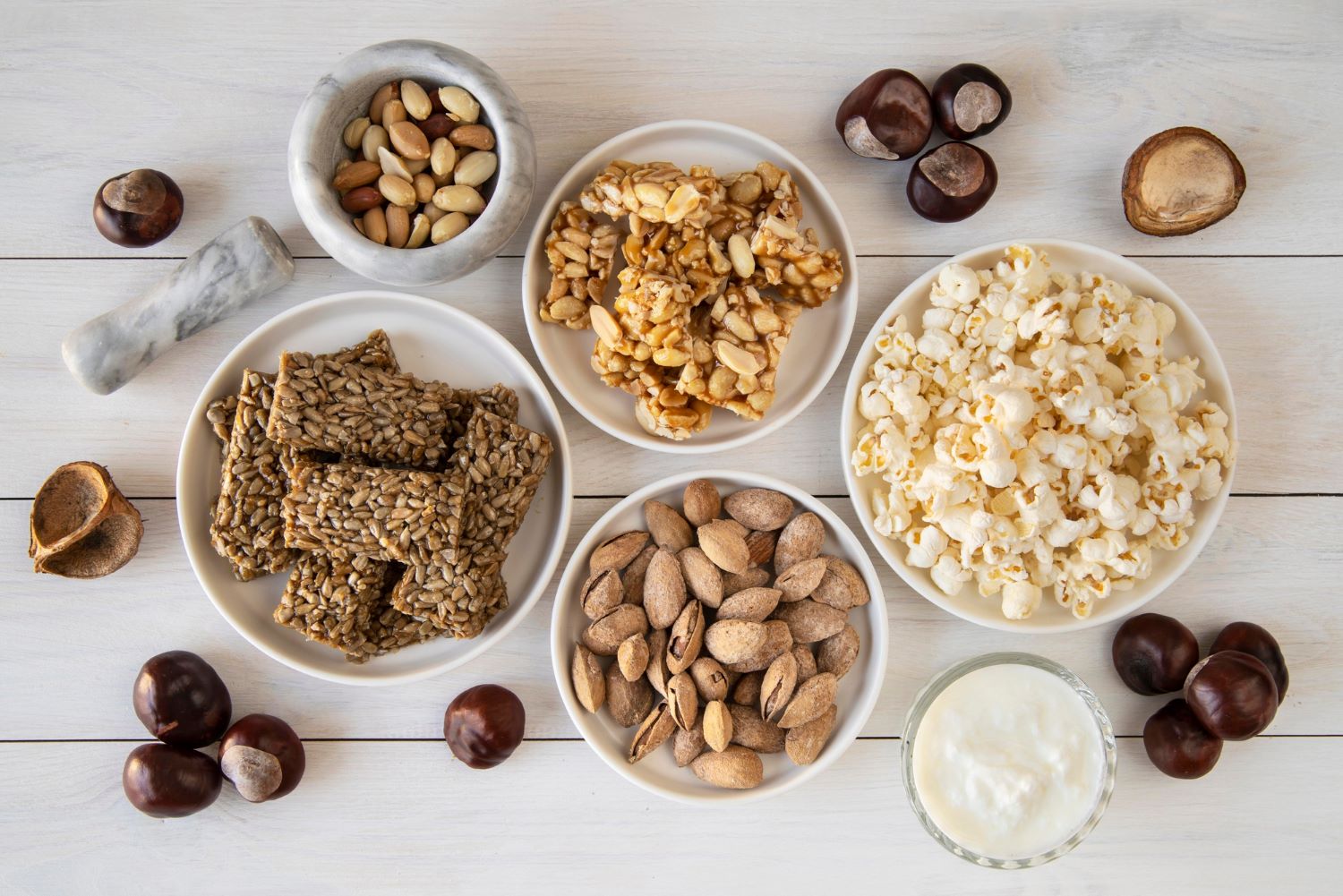
- Nuts and Seeds: Almonds, sunflower seeds, and pumpkin seeds are rich in magnesium and make great snacks or toppings for oatmeal and yogurt.
- Whole Grains: Brown rice, quinoa, and whole wheat bread are good sources of magnesium that can be easily incorporated into meals.
- Legumes: Black beans, lentils, and chickpeas are packed with magnesium and are a versatile addition to soups, stews, and salads.
These foods are not only high in magnesium but also rich in fibre, which is crucial for maintaining a healthy gut microbiome. Incorporating these foods into your daily diet can help support both muscle function and overall digestive health.
Supplementing Magnesium
For individuals struggling to get enough magnesium through diet alone, supplements may be an option. It’s important to speak with a healthcare professional before starting any supplement regimen, as they can guide you on the appropriate dosage and form of magnesium best suited to your needs.
Incorporating Magnesium into Holiday Meals
The holiday season offers an excellent opportunity to incorporate magnesium-rich foods into your meals. Consider adding spinach to your holiday salads, sprinkling nuts and seeds over roasted vegetables, or incorporating whole grains into festive side dishes. Not only will these foods add flavour and texture to your meals, but they will also provide the essential nutrients needed to manage muscle cramps effectively.
The Connection Between Magnesium and Sleep
It’s worth noting that magnesium doesn’t only help with muscle cramps—it also supports relaxation and better sleep. Since sleep disturbances are common in Parkinson’s Disease, consuming magnesium-rich foods in the evening may support a more restful night’s sleep, contributing to better overall symptom management.
Managing muscle cramps in Parkinson’s Disease can be challenging, but incorporating magnesium-rich foods and supplements into your diet may offer significant relief. As part of a holistic approach to managing Parkinson’s symptoms, focusing on nutrition is key to improving both mobility and quality of life.
#Parkinson’s Disease Management #Nutrition #Muscle Health