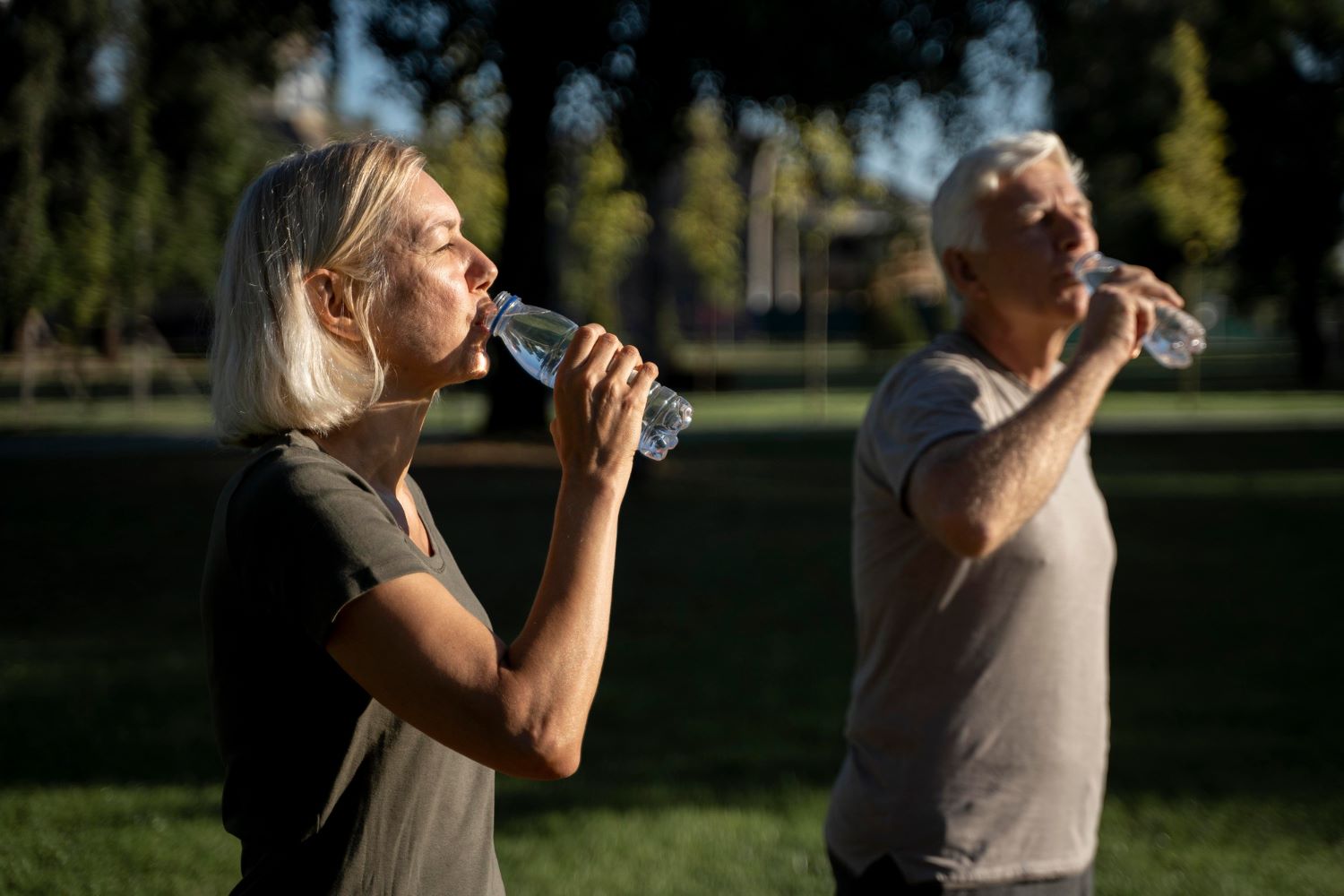
Hydration for Parkinson’s Disease is often overlooked, but it can make a meaningful difference to daily comfort, digestion, concentration, energy and blood pressure. When we talk about nutrition, food usually gets most of the attention. Yet what you drink, how often you drink and how you manage fluids around symptoms can be just as important.
Living with Parkinson’s Disease can make hydration more complicated. You may drink less because you are worried about bladder urgency, night time toilet trips, mobility difficulties, spilling drinks, swallowing concerns or simply forgetting to drink regularly. This is understandable, but reducing fluids too much can make constipation, dizziness, fatigue and concentration feel worse.
Hydration for Parkinson’s Disease does not mean forcing large amounts of water when that feels uncomfortable. It means finding a steady fluid routine that supports your body, fits your lifestyle and works around your symptoms.
Review my nutrition programmes
Why Hydration for Parkinson’s Disease Matters
Water plays many important roles in the body. It supports blood volume, kidney function, digestion, temperature regulation and concentration. For someone living with Parkinson’s Disease, these everyday functions can have a direct effect on quality of life.
Hydration for Parkinson’s Disease may help support:
Bowel regularity, especially when increasing fibre.
Blood pressure stability, particularly if you feel light headed when standing.
Kidney function and waste removal.
Concentration, mood and energy.
Comfort during hot weather, illness or increased activity.
This is why fluids should not be treated as an afterthought. They are part of your wider Parkinson’s Disease nutrition and self care plan.
Hydration, Constipation and Fibre
Constipation is one of the most common digestive symptoms in Parkinson’s Disease. It may be linked with slower gut movement, reduced activity, medication effects, changes in appetite and not drinking enough fluid.
When you increase fibre from vegetables, fruits, oats, wholegrains, beans, lentils, nuts or seeds, your body also needs fluid to help that fibre work well. Without enough fluid, fibre can sometimes make stools feel harder or more difficult to pass.
A practical approach is to increase fibre gradually and match it with a steady fluid routine. For example, you might have a glass of water with breakfast, a herbal tea mid morning, water with lunch, a drink mid afternoon and a warm drink after dinner.
Hydration for Parkinson’s Disease works best when it is spread throughout the day rather than left until you feel very thirsty.
Get personalised digestive support for Parkinson’s Disease
Hydration and Blood Pressure Changes
Some people living with Parkinson’s Disease experience dizziness, light headedness or faintness when standing. This can be related to blood pressure changes, medication, dehydration, meal timing or other health factors.
Fluid intake can play a role because water helps maintain blood volume. If you are not drinking enough, dizziness may feel worse. However, blood pressure symptoms should always be discussed with your GP, neurologist, Parkinson’s Disease nurse or pharmacist, especially if they are frequent, severe or linked with falls.
Hydration for Parkinson’s Disease is not a replacement for medical assessment. It is one supportive foundation that may sit alongside medication review, salt guidance, compression garments, meal timing, movement and other professional advice where appropriate.
If you have heart disease, kidney disease, fluid restriction advice or blood pressure medication, follow your medical team’s guidance on how much fluid is suitable for you.
How Much Fluid Do You Need?
Fluid needs vary. They depend on body size, age, activity, temperature, sweating, medication, kidney health, heart health and whether you are unwell.
Most people aim for 6 to 8 cups or glasses of fluid a day. It also notes that people may need more in hot environments, during illness, while recovering from illness, or during long periods of physical activity.
This is a guide, not a rigid rule. Some people need more. Some people may need less because of medical conditions.
Instead of focusing only on a number, think about your pattern. Are you drinking regularly? Are you going long periods without fluids? Are you avoiding drinks because of bladder symptoms? Are you more tired, dizzy or constipated than usual?
These questions can help you decide whether hydration needs more attention.
Best Drinks for Parkinson’s Disease Hydration
Hydration for Parkinson’s Disease can include more than plain water. Many drinks can contribute to daily fluid intake.
Helpful everyday options may include:
Water, including tap, filtered or sparkling water.
Herbal teas.
Weak fruit or barley squash with no added sugar.
Milk or fortified plant milks.
Diluted fruit juice in small amounts.
Soup, especially broth based soups.
The best drink is often the one you will actually drink consistently. If plain water feels unappealing, try adding slices of cucumber, lemon, berries, mint or ginger. You can also rotate warm and cold drinks depending on the season.
For clients with Parkinson’s Disease, I often find that enjoyment matters. A realistic drink routine is easier to maintain than a perfect plan that feels unpleasant.
Drinks to Be More Mindful Of
Some drinks may still count towards fluid intake, but they may affect symptoms for some people.
Caffeinated tea and coffee can contribute to hydration for many people, but large amounts may worsen bladder urgency, anxiety, tremor or sleep disruption in sensitive individuals.
Sugary soft drinks and energy drinks are best kept occasional because they may contribute to blood sugar spikes and can displace more nourishing drinks.
Alcohol can increase dehydration risk and may interact with medication or worsen balance, sleep and bladder symptoms for some people. Discuss alcohol with your healthcare team if you are unsure how it fits with your medication or symptoms.
Hydration for Parkinson’s Disease is not about banning every drink you enjoy. It is about noticing which drinks help you feel steady and which ones make symptoms harder to manage.
When Personalised Support Can Help
General advice can be useful, but hydration for Parkinson’s Disease often needs personalisation. You may be managing constipation, dizziness, low blood pressure, bladder urgency, swallowing difficulty, fatigue, medication timing, kidney health, heart health or low appetite.
A personalised nutrition plan can help you work out how much fluid may be appropriate, which drinks suit your symptoms, how to support bowel regularity and how to make hydration easier on low energy days.
If you are based in the United Kingdom, Europe or looking for online support, my Parkinson’s Disease nutrition programmes are designed to provide clear, practical steps for people living with Parkinson’s Disease and their caregivers.
Review my nutrition programmes
Final Thoughts
Hydration for Parkinson’s Disease is one of the quieter parts of self care, but it supports so many areas of daily wellbeing. Fluids can influence bowel habits, blood pressure, concentration, energy, kidney function and medication routines.
You do not need to force large amounts of water or follow a perfect plan. Start with small, realistic steps. Keep a drink nearby. Sip regularly. Link fluids to meals and medication. Choose drinks you enjoy. Adjust timing around bladder symptoms. Seek help if swallowing, dizziness or urinary symptoms are affecting daily life.
Combined with a Mediterranean style eating pattern, adequate fibre, protein, healthy fats, movement and personalised support, hydration for Parkinson’s Disease can help you feel more comfortable and more in control day to day.