Your liver works around the clock to keep you healthy. It filters toxins, regulates hormones, processes nutrients, manages blood sugar, supports digestion, and communicates with your gut, brain, and immune system. Despite this constant workload, the liver is remarkably resilient, and with the right nutrition and lifestyle support, it can function efficiently and even repair early damage.
In this blog, you’ll learn how to support your liver and detoxification naturally, using evidence-based strategies that nurture your digestive health, hormonal balance, and overall wellbeing.
Understanding Your Liver’s Role in Detoxification
Many people think “detoxing” means removing toxins through juice cleanses or fasting. But your liver does far more, and it requires ongoing digestive health support, not occasional restrictive approaches.
The liver is responsible for:
- Metabolising fats, proteins, and carbohydrates
- Regulating hormones including oestrogens, insulin, and thyroid hormones
- Producing bile for fat digestion and toxin removal
- Breaking down alcohol, medications, and environmental chemicals
- Managing inflammation and immune responses
- Communicating with the gut microbiome and brain
Detoxification happens in three nutrient-dependent phases, all essential for optimal digestive health.
How Your Liver Detoxifies: Phases I, II & III (Gut–Liver Axis)
Supporting your liver’s detoxification processes begins with understanding how they work. Detoxification is not a quick cleanse, it’s a continuous three-step process involving the liver, bile flow, and the gut.
When these systems work together, toxins and waste products are processed safely and efficiently.
Phase I: Transforming Toxins
Phase I detoxification uses the cytochrome P450 enzyme system to convert substances such as alcohol, medications, hormones, and chemical exposures into intermediate compounds. Some of these intermediates become more reactive, which is why the next phases are essential.
Phase I requires nutrients such as:
- B vitamins – eggs, legumes, leafy greens
- Antioxidants – berries, green tea, citrus
- Amino acids – poultry, fish, tofu
- Polyphenols – olives, herbs, cocoa
These nutrients support safe processing of toxins and reduce oxidative stress.
Phase II: Neutralising and Conjugating
Phase II makes the reactive Phase I intermediates safe for removal. Through methylation, sulphation, glucuronidation, and glutathione pathways, toxins are transformed into water-soluble compounds ready for excretion.
Key nutrients for Phase II include:
- Sulphur-rich foods – broccoli, garlic, onions
- Amino acids – glycine, cysteine, taurine
- B vitamins & magnesium – nuts, whole grains, seeds
- Flavonoids & polyphenols – berries, turmeric, rosemary
Phase III: Bile Flow & Excretion
Once toxins are neutralised, they must exit the body via stool, bile is essential for this. Poor bile flow can lead to toxin recirculation, inflammation, and hormone imbalance.
Support bile flow with:
- Fibre – flaxseed, oats, beans, apples
- Hydration – water throughout the day
- Healthy fats – olive oil, avocado, nuts
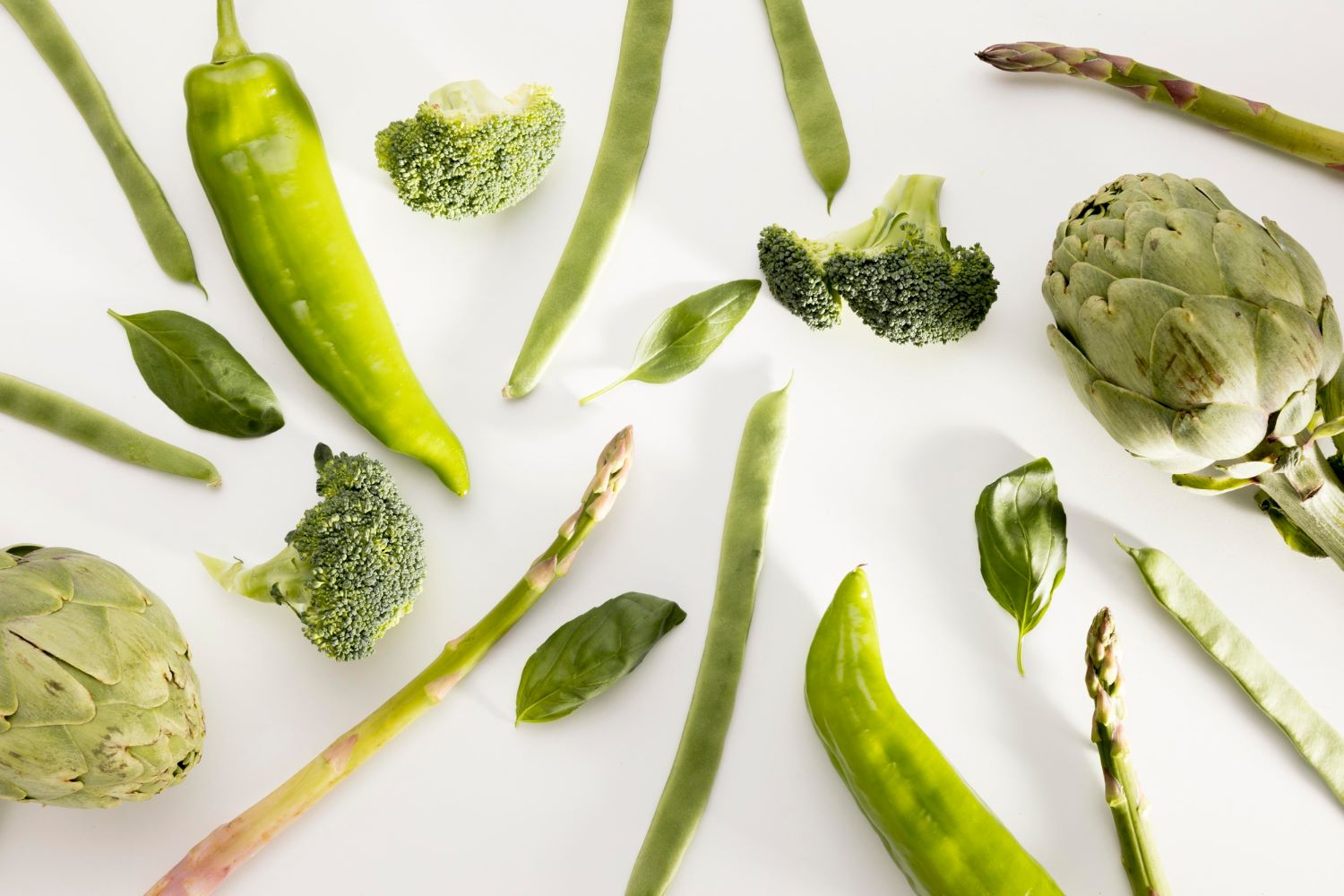
- Bitter foods – rocket, artichoke, chicory
- A diverse microbiome fed by varied plant foods
Healthy bile flow is central to both liver and digestive health.
Lifestyle Factors That Support Your Liver
Detoxification is strongly influenced by daily lifestyle habits:
- Movement improves insulin sensitivity and reduces liver fat.
- Prioritising sleep supports overnight repair and detox processes.
- Managing stress reduces cortisol load on the liver.
- Reducing alcohol supports detox pathways and gut balance.
- Consistent circadian rhythm habits improve metabolic and digestive function.

Foods to Include and Limit
Include these foods to support your health
- Leafy greens
- Oats & whole grains
- Fatty fish
- Garlic & onions
- Coffee
- Nuts & seeds
- Turmeric
- Fermented foods
Limit these foods to support your liver
- Alcohol
- Sugary drinks
- Refined carbohydrates
- Fried foods
- Processed meats
- Ultra-processed snacks
- Excess saturated fats
Your Liver Thrives on Daily, Gentle Support
Supporting your liver naturally doesn’t require extreme detoxes or restrictive diets. In fact, juice fasting or water-only fasts can sometimes create more stress on the liver depending on your health.
Instead, focus on sustainable digestive health habits such as:
- Fibre-rich meals
- Colourful plant foods
- Daily movement
- Hydration
- Supporting the gut microbiome
Your liver is one of your hardest-working organs, when you take care of it consistently, it takes care of you.