What Is Rheumatoid Arthritis?
Rheumatoid Arthritis is a chronic autoimmune disease that affects the joints, causing pain, swelling, and stiffness. Over time, if untreated, the persistent inflammation can lead to joint damage and disability.
While medications remain essential, researchers are uncovering an equally important factor: the gut microbiome and Rheumatoid Arthritis.
Your gut contains trillions of microbes that not only support digestion but also interact directly with your immune system. Since Rheumatoid Arthritis is an immune-driven condition, it makes sense that gut health could influence disease activity, and the empowering part is that gut health can be supported through diet, lifestyle changes, microbiome testing, and targeted supplementation.
What’s the Link Between Rheumatoid Arthritis and Gut Health?
Scientists have long known that immune dysfunction contributes to Rheumatoid Arthritis, but newer research highlights gut dysbiosis, an imbalance in gut bacteria, as a possible trigger. Studies show that even in early or preclinical stages, people with Rheumatoid Arthritis often have altered gut microbiomes.
Simply put:
The healthier and more diverse your gut microbiome, the better your body can regulate inflammation instead of fuelling it.
How Gut Dysbiosis May Drive Rheumatoid Arthritis
Although research continues to evolve, several mechanisms explain the connection between the gut microbiome and Rheumatoid Arthritis:
- Inflammation regulation: Some microbes trigger inflammation, while others calm it. Too many “pro-inflammatory” bacteria can overstimulate the immune system.
- Leaky gut (intestinal permeability): A weakened gut lining can allow bacterial toxins to enter the bloodstream, driving systemic inflammation commonly seen in Rheumatoid Arthritis.
- Molecular mimicry: Some bacterial proteins resemble joint tissue, tricking the immune system into attacking your own joints.
- Hormone interactions: Gut bacteria influence oestrogen and progesterone, relevant because Rheumatoid Arthritis is more common in women.
Together, these pathways explain why Rheumatoid Arthritis is not just a joint disease, but a systemic one closely linked to gut health.
The Impact of RA Medication on Gut Health
Medications such as NSAIDs, corticosteroids, and DMARDs are necessary to control inflammation. However, they can reduce microbial diversity and contribute to gut imbalances, digestive discomfort, or altered bowel habits. This doesn’t mean avoiding treatment, but it highlights the value of supporting the gut microbiome alongside Rheumatoid Arthritis therapy.
A healthier gut may even improve medication tolerance and effectiveness.
Foods That Support a Healthy Gut Microbiome
Food is one of the most powerful tools for shaping your gut microbiome. A consistent, varied, fibre-rich diet supports better inflammatory balance.
Supportive foods include:
- Fermented foods – yoghurt, kimchi, miso, sauerkraut
- Prebiotic foods – garlic, onions, leeks, asparagus
- Fibre-rich foods – wholegrains, fruit, vegetables, legumes
- Omega-3 sources – oily fish, walnuts, flaxseeds
- Polyphenol-rich foods – berries, olive oil, green tea, dark chocolate
A diverse diet = a diverse microbiome = better inflammatory control.
Lifestyle Factors That Influence Gut and Joint Health
Diet is only part of the picture. Lifestyle habits such as stress levels, sleep quality, and activity all influence your gut microbiome and inflammatory response.
Clients often report that stress flares their arthritis symptoms, and science supports this. Stress affects the gut–brain–immune axis, which can increase inflammation.
Long-term change, not short-term fixes, is what stabilises gut and joint health.
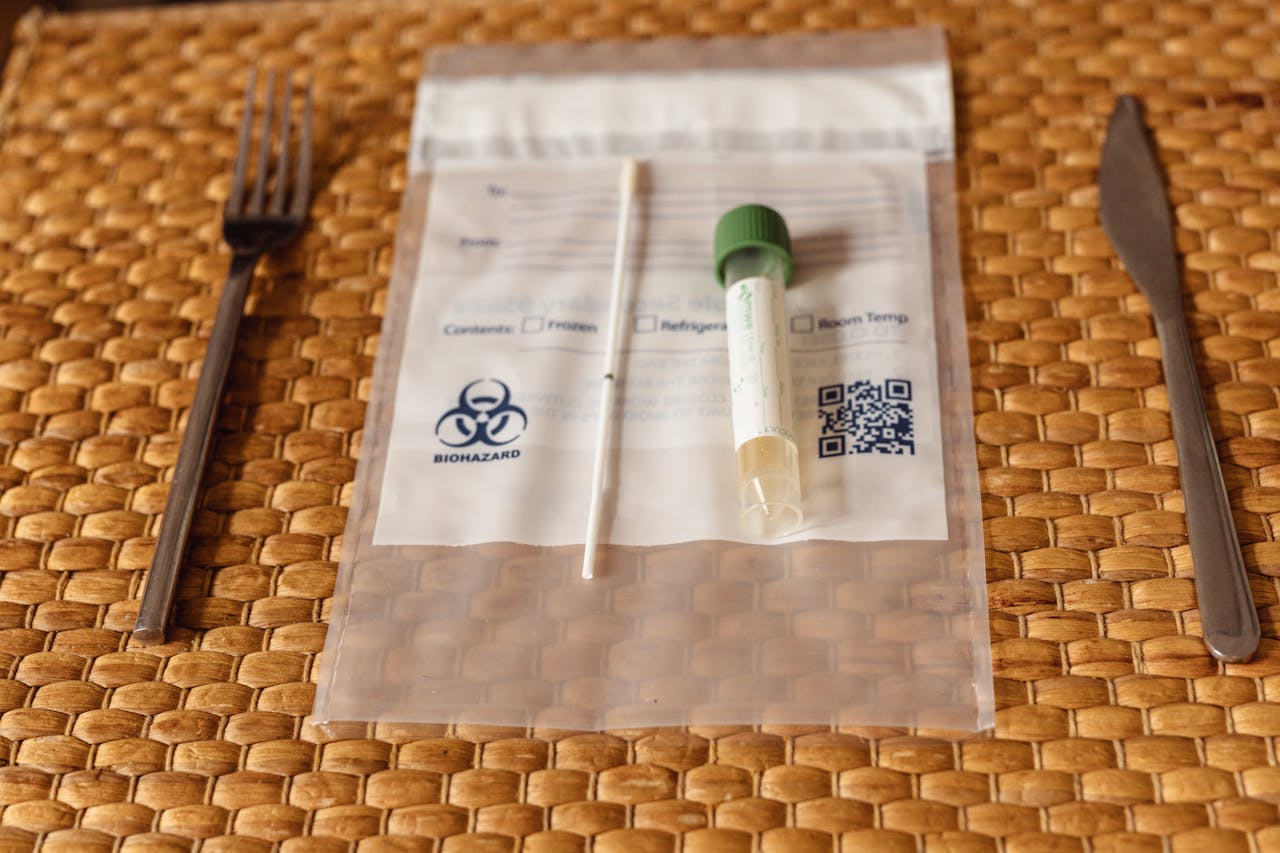
Why Gut Microbiome Testing Helps
Gut microbiome testing offers personalised insight into what may be driving your inflammation. Benefits include:
- Identifying dysbiosis
- Understanding how diet and medication affect your gut
- Creating targeted nutrition plans
- Improving digestive comfort
- Monitoring progress
Testing is especially valuable if you’ve tried multiple diets or want to support your gut proactively while managing Rheumatoid Arthritis.
Key Takeaways
Researchers agree on three key points:
- Gut health matters — it strongly influences inflammation and symptoms.
- Balance is key — no single bacteria causes Rheumatoid Arthritis; it’s about overall microbial diversity.
- Lifestyle works — varied diet, movement, sleep, and stress support the gut and immune system.
Even small, consistent changes can transform long-term inflammation and overall well-being.
If you’d like to explore gut microbiome testing and nutrition support for Rheumatoid Arthritis, I can guide you through the best options for your health.