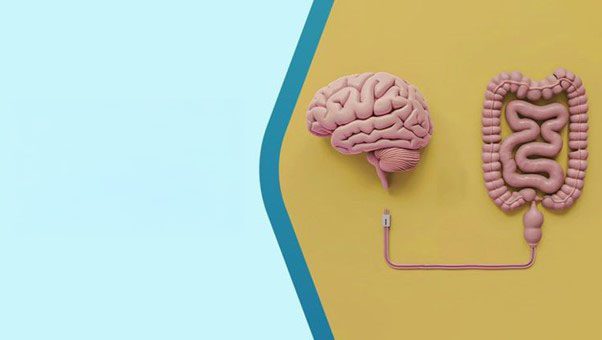
Parkinsons Disease has long been understood as a condition that begins in the brain, primarily affecting movement and dopamine production. However, growing research now challenges this traditional view. Increasing evidence suggests that Parkinsons Disease may begin in different parts of the body depending on the individual. Exploring brain-first or gut-first Parkinsons Disease offers a more complete understanding of why symptoms vary so widely and why early, non-motor signs often appear years before diagnosis.
This article examines the emerging concept of brain-first or gut-first Parkinsons Disease, drawing on recent research to explain what this means, why it matters, and how a whole-body perspective can inform more supportive lifestyle and nutrition strategies.
The Rising Prevalence of Parkinsons Disease
One of the most striking realities shaping research into brain-first or gut-first Parkinsons Disease is the rapid rise in diagnoses. Parkinsons Disease is now recognised as the fastest-growing neurological condition worldwide, affecting approximately 166,000 people in the UK alone. This increase has prompted researchers to look beyond genetics and consider environmental, metabolic, and lifestyle contributors.
Understanding where Parkinsons Disease may begin in the body is key to identifying opportunities for earlier recognition and intervention.
You can learn more about my whole-body approach to Parkinsons Disease on my website
Moving Beyond a Brain-Only Model
Traditional models framed Parkinsons Disease almost exclusively as a brain disorder. While motor symptoms such as tremor and rigidity are well known, many individuals experience digestive issues, sleep disturbance, anxiety, fatigue, or loss of smell long before movement changes appear.
This pattern has helped shape the concept of brain-first or gut-first Parkinsons Disease. It recognises Parkinsons Disease as a condition involving interconnected systems rather than a single neurological pathway.
What Is Meant by Gut-First Parkinsons Disease
In the gut-first pathway, Parkinsons Disease may begin in the digestive system. Exposure to toxins, changes in the gut microbiome, or chronic inflammation may trigger abnormal protein changes in the gut. These changes are thought to travel via the vagus nerve to the brain over time.
This gut-first pattern helps explain why constipation and digestive changes can appear many years before a Parkinsons Disease diagnosis. Understanding brain-first or gut-first Parkinsons Disease highlights the importance of gut health as a central factor in neurological wellbeing.
More information on digestive health support can be found on my website
What Is Meant by Brain-First Parkinsons Disease
In contrast, brain-first Parkinsons Disease is thought to begin in the brain itself. Research suggests that inhaled environmental pollutants may enter the nervous system through the olfactory nerve, bypassing protective barriers and initiating disease processes directly in the brain.
This pathway may be more closely associated with early motor symptoms and loss of smell, reinforcing why brain-first or gut-first Parkinsons Disease presents so differently between individuals.
Key Biological Mechanisms Involved
Whether Parkinsons Disease begins in the gut or the brain, several shared biological mechanisms are involved. These include abnormal protein aggregation, impaired mitochondrial energy production, oxidative stress, inflammation, and DNA damage.
Research increasingly shows that environmental exposure plays a larger role than inherited genetics in most cases. This understanding strengthens the relevance of brain-first or gut-first Parkinsons Disease as a framework for prevention and management.
Why Nutrition and Lifestyle Matter
Although Parkinsons Disease research often focuses on medication, lifestyle and nutrition strategies remain central to supporting long-term wellbeing. Dietary patterns rich in plant diversity, Fibre, and natural antioxidants help support gut health, metabolic balance, and brain resilience.
When viewed through the lens of brain-first or gut-first Parkinsons Disease, nutrition becomes a practical way to address inflammation, digestive health, and energy production across the whole body.
You can explore nutrition coaching options
Early Action and Personalisation
One of the most encouraging insights from brain-first or gut-first Parkinsons Disease research is that Parkinsons Disease is not fixed or uniform. Early lifestyle adjustments, symptom tracking, and personalised care plans may support better long-term outcomes.
Monitoring digestion, energy levels, sleep quality, and response to food and activity allows individuals to take an active role in shaping their health journey.
For personalised support, visit my website
Rethinking Parkinsons Disease as a Whole-Body Condition
Understanding brain-first or gut-first Parkinsons Disease encourages a shift away from viewing Parkinsons Disease solely as a dopamine disorder. Instead, it highlights the importance of environmental exposure, gut health, metabolic resilience, movement, and social connection.
This whole-body perspective empowers individuals to focus on what they can influence, alongside conventional medical care.
If you would like support in understanding how gut health, nutrition, lifestyle, and emerging research may relate to your Parkinsons Disease journey, I would be delighted to guide you.