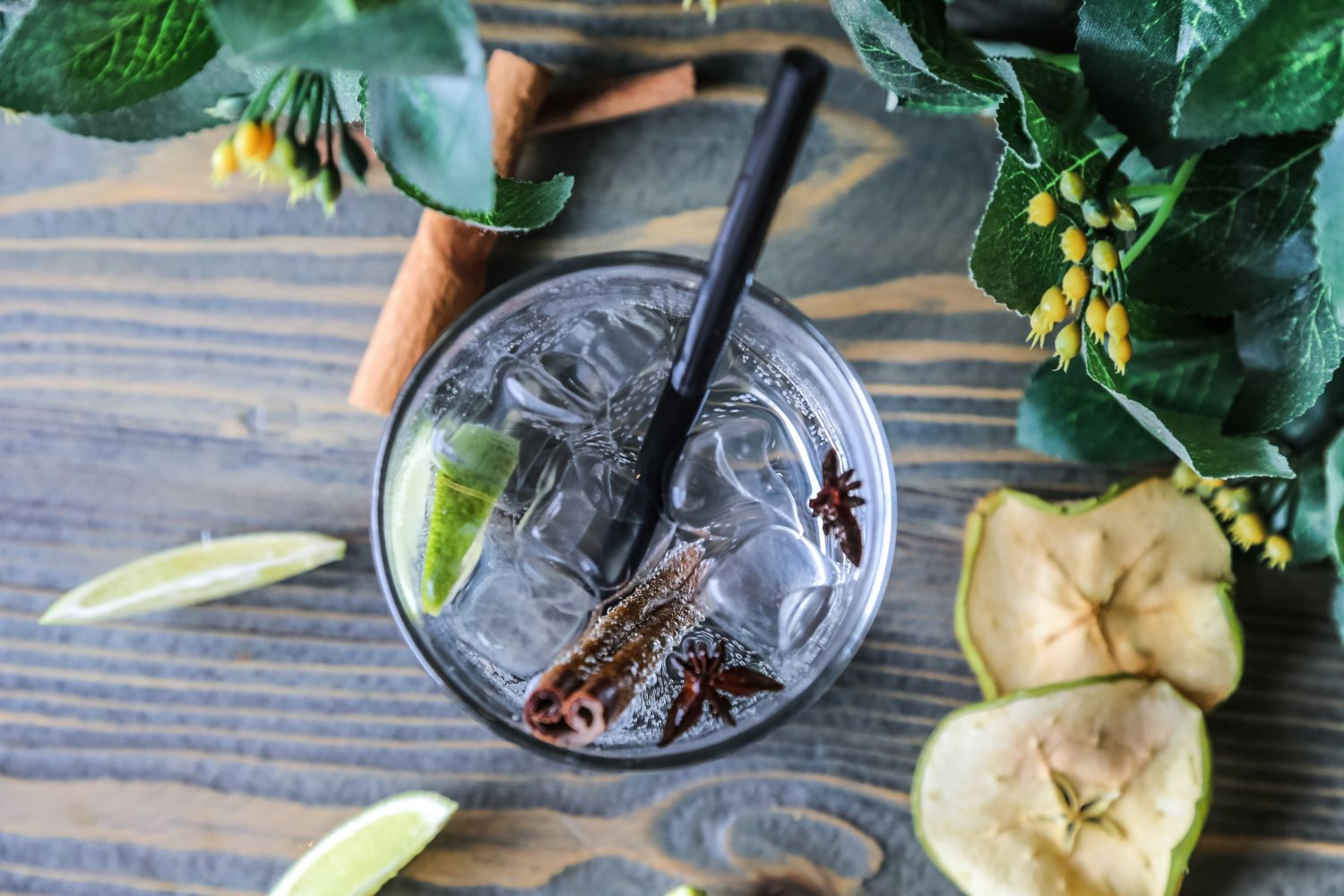
Alcohol and Parkinson’s Disease is a topic many people feel unsure about. Alcohol can be woven into social life, from a glass of wine with dinner to a pint at the pub or a celebratory drink with family. When Parkinson’s Disease becomes part of the picture, questions about balance, sleep, medication, blood pressure and long-term wellbeing become more important.
A Mediterranean style way of eating does not require alcohol. Some traditional Mediterranean patterns may include modest wine with meals, but the key benefits of this way of eating come from the overall food pattern, including vegetables, fruit, wholegrains, olive oil, fish, beans, lentils, nuts and seeds.
For many people living with Parkinson’s Disease, it is wise to review how much alcohol they drink, how often they drink, and whether alcohol affects symptoms. The goal is making an informed choice that protects your safety, supports your medication routine and helps you feel as steady as possible.
Review my nutrition programmes
Why Alcohol and Parkinson’s Disease Need Careful Thought
Alcohol affects the brain, liver, heart, digestive system, sleep and nervous system. For someone living with Parkinson’s Disease, those effects may overlap with existing symptoms or medication side effects.
Parkinson’s Disease can already affect movement, balance, coordination, blood pressure, sleep, mood, digestion and energy. Alcohol may make some of these areas harder to manage, especially if you are sensitive to its effects.
This does not mean every person with Parkinson’s Disease must avoid alcohol completely. Some people may tolerate small amounts without noticing any clear change. Others may find that even one drink worsens dizziness, sleep, confusion, tremor, balance or medication related drowsiness.
Alcohol and Parkinson’s Disease is therefore a personal decision, but it should be made with awareness. It is also important to check with your GP, neurologist, Parkinson’s Disease nurse or pharmacist if you are unsure whether alcohol is safe with your medication.
Alcohol, Balance and Fall Risk
Balance and coordination are important concerns in Parkinson’s Disease. Alcohol can affect judgement, reaction time and coordination, which may increase the risk of slips, trips and falls.
If alcohol makes you feel unsteady, dizzy, sleepy or less alert, it may increase risk further. This may be especially relevant if you drink in the evening, walk to the bathroom at night, use stairs, live alone, or already experience freezing, dizziness or balance changes.
A practical step is to notice what happens after drinking. Do you feel less steady? Do you shuffle more? Do you feel more at risk when getting up from a chair or walking to the bathroom? If the answer is yes, reducing or avoiding alcohol may be one of the simplest safety changes you can make.
Get personalised Parkinson’s Disease nutrition support
Alcohol and Parkinson’s Disease Medication
Alcohol and Parkinson’s Disease medication should always be considered carefully. Alcohol can interact with some medicines and may increase side effects such as drowsiness, dizziness, slowed reaction time or reduced coordination.
This does not mean every Parkinson’s Disease medication has the same warning. Your individual medication plan matters. You may be taking levodopa, dopamine agonists, MAO B inhibitors, sleep medication, antidepressants, blood pressure medication, pain medication or other medicines.
Because medication combinations vary, it is always worth asking your pharmacist or doctor directly: “Is alcohol safe with my current medicines?”
This is especially important if you feel unusually sleepy, light headed, confused, nauseous or unsteady after drinking. It is also important if you have recently changed medication or increased your dose.
Alcohol and Parkinson’s Disease should never be approached as a one size fits all rule. Your medication, symptoms and health history need to guide the decision.
Alcohol, Sleep and Parkinson’s Disease
Sleep difficulties are common in Parkinson’s Disease. Alcohol may make you feel sleepy at first, but it can disrupt sleep quality later in the night.
For someone with Parkinson’s Disease, poor sleep can affect energy, mood, concentration, movement and caregiver wellbeing. If you notice that alcohol leads to night waking, vivid dreams, sweating, needing the toilet more often, low mood the next day or worse fatigue, it may be worth reducing evening alcohol or avoiding it altogether.
A useful experiment is to compare sleep on evenings when you drink with sleep on evenings when you do not. Track bedtime, night waking, morning energy and symptoms the next day.
Alcohol and Blood Pressure
Some people living with Parkinson’s Disease experience blood pressure changes, including dizziness or light headedness when standing. Alcohol may affect blood pressure and can also contribute to dehydration, which may make dizziness feel worse for some people.
If you already experience faintness, falls, low blood pressure or symptoms when standing, alcohol should be approached with extra care. This is particularly important if you take blood pressure medication or have been advised to monitor your fluid or salt intake.
Do not try to manage frequent dizziness on your own. Speak with your GP, neurologist, Parkinson’s Disease nurse or pharmacist, especially if dizziness is affecting mobility, confidence or safety.
Alcohol and Parkinson’s Disease is not only about the drink itself. It is about how alcohol interacts with your whole system.
Alcohol and Mood
Mood changes, anxiety and depression can occur in Parkinson’s Disease. Alcohol may feel relaxing in the moment, but it is a depressant and can worsen mood or anxiety for some people, especially the next day.
You may notice that alcohol temporarily reduces tension, but later leaves you feeling low, irritable, anxious, tired or emotionally flat. If this pattern appears, it is worth taking seriously.
Food, hydration, sleep, movement, medication and emotional support all influence mood. Alcohol can sometimes make these foundations less stable. Reducing alcohol may be a helpful self care step if mood is already a concern.
If you feel persistently low, anxious or overwhelmed, please seek medical and emotional support. You do not need to manage this alone.
What About Red Wine and the Mediterranean Diet
You may have heard that red wine is good for you because it contains resveratrol and other plant compounds. This idea can be confusing, especially when discussing Mediterranean style eating.
The important point is this: you do not need alcohol to gain the benefits of a Mediterranean style diet. The main benefits come from the overall pattern, including colourful plant foods, olive oil, fish, legumes, nuts, seeds, herbs and wholegrains.
If you do not currently drink alcohol, there is no health reason to start. If you do drink, it is sensible to keep alcohol modest and to consider having it with food rather than on an empty stomach.
It is advised that men and women not drink more than 14 units a week on a regular basis, and to spread drinking over 3 or more days if regularly drinking this amount. For some people with Parkinson’s Disease, even this amount may still feel too much depending on balance, sleep, medication, liver health, mood and personal tolerance.
Explore my Parkinson’s Disease nutrition programmes
When Avoiding Alcohol May Be the Safest Option
For some people, the safest choice may be to avoid alcohol entirely. This may be the case if you have significant balance problems, frequent falls, severe dizziness, sleep disruption, liver disease, a history of alcohol dependence, medication interactions, cognitive changes or mood symptoms that worsen after drinking.
Avoiding alcohol may also be helpful if you are going through a period of medication adjustment, recovering from illness, managing dehydration, or experiencing more frequent off periods.
This does not have to feel like deprivation. It can be framed as a practical decision that supports your stability, safety and wellbeing.
If you are physically dependent on alcohol or drink heavily, do not stop suddenly without medical support. Speak to your GP or an appropriate healthcare professional for safe guidance.
Listening to Your Own Response
Everyone responds differently. Parkinson’s Disease can also change how alcohol affects you over time.
It may help to track:
- What you drank.
- How much you drank.
- Whether you drank with food.
- How your balance felt afterwards.
- Whether tremor, dizziness or confusion changed.
- Whether sleep was affected.
- Whether mood changed the next day.
- Whether medication felt less predictable.
- Whether bladder symptoms or night waking worsened.
A brief record over two weeks can make patterns much clearer. If you notice that alcohol consistently worsens symptoms, reducing or stopping may be a powerful step.
This kind of tracking can also be useful to discuss with your Parkinson’s Disease nurse, GP, neurologist, pharmacist or nutrition professional.
Alcohol Free Options That Still Feel Enjoyable
If alcohol has been part of your social life, cutting back can feel like missing out. The good news is that alcohol free options have improved greatly.
You might try:
- Alcohol free beer or cider.
- Alcohol free wine.
- Sparkling water with citrus, berries or mint.
- Iced herbal tea.
- Kombucha if tolerated and suitable for you.
- A tomato based mocktail.
- Ginger, lime and sparkling water.
- Herbal cordial diluted with still or sparkling water.
- Warm spiced apple drink in colder months.
The social experience matters too. Focus on shared meals, conversation, music, celebration and connection rather than only what is in the glass.
If you are in the United Kingdom or Europe, many restaurants, pubs and supermarkets now offer better alcohol free choices, making it easier to reduce alcohol without feeling excluded.
When Personalised Support Can Help
General advice can be helpful, but alcohol and Parkinson’s Disease often needs personalisation. You may need to consider medication timing, falls risk, dizziness, blood pressure, sleep, mood, constipation, hydration, bladder symptoms, liver health, weight, appetite and social routines.
A personalised nutrition plan can help you look at alcohol within the bigger picture. It can also help you build supportive alternatives, improve hydration, plan Mediterranean style meals and reduce symptom triggers where possible.
If you are based in the United Kingdom, Europe or looking for online support, my Parkinson’s Disease nutrition programmes are designed to provide clear, practical steps for people living with Parkinson’s Disease and their caregivers.
Review my nutrition programmes
Final Thoughts
Alcohol and Parkinson’s Disease is not about judgement. It is about awareness, safety and informed choice.
Alcohol can affect balance, sleep, blood pressure, mood, medication side effects and energy. Some people may tolerate small amounts, while others may feel noticeably worse after drinking.
A Mediterranean style diet does not require alcohol. You can support brain health, gut health, heart health and overall wellbeing through the food pattern itself, without needing wine, beer or spirits.
Start by observing your own response. If alcohol makes symptoms harder to manage, reducing or avoiding it may help you feel steadier, safer and more in control.