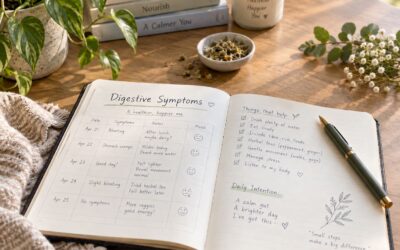
Your gut microbiome and Parkinson’s Disease is an important topic because Parkinson’s Disease is not only about the brain. Although Parkinson’s Disease is known for movement symptoms such as tremor, stiffness and slower movement, many people also experience digestive symptoms, constipation, changes in mood, poor sleep, fatigue and shifts in energy.
This is why a wider view can be helpful. The gut, immune system, metabolism, nervous system and brain are constantly communicating. When one part of this network is under strain, it may influence other areas too.
Parkinson’s Disease research into the gut-brain axis is helping us understand why digestion, inflammation and gut health may matter so much in Parkinson’s Disease. It does not mean the gut explains everything. It also does not mean microbiome testing can diagnose Parkinson’s Disease or replace neurological care. It simply means the gut deserves attention as part of a broader, personalised approach.
A more integrated kind of approach can help bring together nutrition, symptoms, gut health, lifestyle and conventional medical care in a more joined up way.
Why your gut Microbiome and Parkinson’s Disease Are Connected
Microbiome and Parkinson’s Disease are often discussed together because the gut is one of the body’s most important communication hubs. Your gut contains trillions of microbes, including bacteria, fungi and other organisms. These microbes help process food, produce crucial anti-inflammatory compounds, interact with the immune system and influence the gut lining.
For some people, the gut may be especially relevant because constipation and other digestive symptoms can appear early.
If you would like to explore the basic gut brain connection further, you can read my blog on Parkinson’s Disease, the Gut Brain Axis and Nutrition.
Moving Beyond a Brain Only View
Parkinson’s Disease is often described as a neurological condition, which is true. However, focusing only on the brain can miss important parts of the picture.
Many people living with Parkinson’s Disease experience symptoms that involve the whole body. These may include constipation, reflux, bloating, anxiety, sleep changes, fatigue, low mood, blood pressure changes and changes in appetite.
A systems view simply means looking at how the body’s systems connect. Rather than asking only what is happening in the brain, we may also consider what is happening in the gut, immune system, stress response, metabolism, oral health and daily nutrition pattern.
This is also why personalised support matters. Two people can both have Parkinson’s Disease, but their digestion, energy, inflammation, food tolerance and lifestyle needs may look very different.
Why Constipation Matters
Constipation is one of the most common digestive symptoms in Parkinson’s Disease. It may happen because gut movement slows down, medication affects digestion, fluid intake is low, fibre intake is low, activity is reduced, or the nervous system signals to the gut change.
Constipation matters because it can affect comfort, appetite, energy, medication routines and quality of life. It may also be one clue that the gut brain connection deserves attention.
Parkinson’s Disease an your gut microbiome is not just about bacteria. It is about how the gut environment, food choices, bowel habits, immune signalling and nervous system interact.
If constipation is part of your symptom picture, you may find my blog on Understanding Gut Health and Parkinson’s Disease useful.
Get personalised Parkinson’s Disease nutrition support
The Gut Brain Axis in Simple Terms
The gut brain axis is the two way communication system between the gut and the brain. Messages travel through nerves, immune signals, hormones, inflammatory compounds and substances made by gut microbes.
One important pathway is the vagus nerve, which helps connect the gut and brain. Researchers have explored whether, in some people, changes in the gut may be linked with changes in the nervous system over time.
This is a complex area, and it is still developing. It is not helpful to reduce it to one simple cause. However, it does support the idea that gut health is relevant in Parkinson’s Disease care.
For a related article on this topic, you can read Gut Second Brain and Parkinson’s Disease.
Gut First and Brain First Parkinson’s Disease
You may have heard the idea that Parkinson’s Disease can be gut first or brain first. This means that, in some people, early changes may appear in the gut before classic movement symptoms. In others, changes may begin more centrally in the brain and affect the gut later.
The current understanding is that Parkinson’s Disease is likely varied. There may not be one pathway that explains every person’s experience.
This is important because it helps us avoid oversimplifying. Microbiome and Parkinson’s Disease is not about saying every case begins in the gut. It is about recognising that the gut may be an important part of the wider picture for many people.
If you would like more background, my blog on Brain First or Gut First Parkinson’s Disease explores this topic in more detail.
Immune Signalling and Inflammation
The gut and immune system are closely connected. A large part of immune activity is influenced by what happens in the gut environment. Gut microbes, food particles, stress, infections, medications and the gut lining can all influence immune signalling.
When the gut environment is balanced, the immune system is better able to respond appropriately. When the gut environment is under strain, immune signals may become more reactive.
Microbiome and Parkinson’s Disease research often discusses inflammation because inflammation may affect both the gut and the nervous system. The original article highlighted immune activation, gut barrier function and inflammatory signalling as part of a wider network model.
For readers who want a broader explanation of this topic, my blog on Inflammation and Parkinson’s Disease may be a helpful next read.
Gut Barrier Function
The gut lining acts as a barrier. It helps decide what is allowed through and what should stay inside the gut. This barrier is not a wall that blocks everything. It is an intelligent surface that communicates with microbes, immune cells and the rest of the body.
When the gut lining is irritated or under pressure, it may affect immune responses and symptom patterns. This does not mean everyone needs the same gut protocol. It means gut health should be interpreted carefully and personally.
Microbiome and Parkinson’s Disease support should never be based on guesswork. Digestive symptoms, diet, medications, stress, sleep, stool patterns, oral health and medical history all need to be considered together.
A blog that connects with this theme is Impact of the Gut Microbiome on Parkinson’s Disease.
Why Microbiome Testing Needs Personalised Interpretation
Microbiome testing can be interesting, but it should be interpreted carefully. A report is not a diagnosis of Parkinson’s Disease. It is also not a simple list of good and bad bacteria.
Microbiome interpretation needs context, because patterns can vary from person to person and the same finding may mean different things depending on symptoms, diet, medication, health history and lifestyle.
This is one reason I avoid giving highly specific solutions in a blog. Microbiome and Parkinson’s Disease is too individual for a generic plan.
A personalised consultation can help place testing, symptoms and food choices into a clearer picture. Without that context, testing can sometimes create more confusion than clarity.
The Oral Microbiome and Parkinson’s Disease
The microbiome is not only in the gut. The mouth also has its own microbial community. Oral health, gum inflammation, saliva, dental hygiene and the oral microbiome may influence the wider digestive system.
This does not mean oral health is the missing answer for everyone. It means oral health may be one more piece of the wider network.
For people living with Parkinson’s Disease, oral health can also be affected by dry mouth, swallowing changes, medication effects, motor symptoms and changes in daily care routines. If dental health is a concern, it is sensible to involve a dentist or appropriate healthcare professional.
Nutrition as Part of the Wider Network
Nutrition can support the gut environment, but it should not be treated as a standalone cure. Parkinson’s Disease care still needs medical support, medication review, movement guidance, sleep support, emotional support and practical daily strategies.
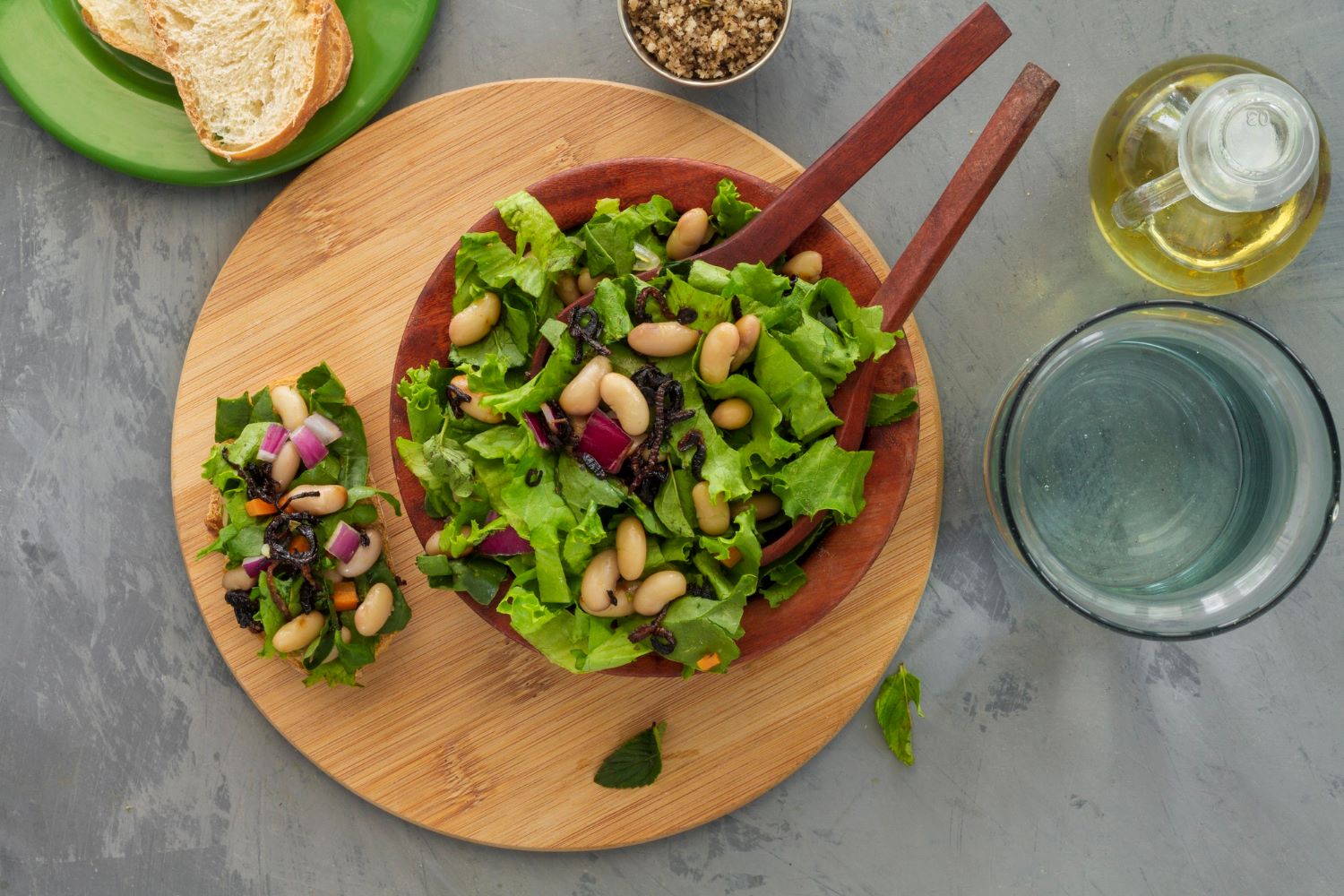
Microbiome and Parkinson’s Disease nutrition should focus on building foundations. These may include a varied food pattern, enough fibre where tolerated, adequate protein, healthy fats, hydration, food quality and realistic routines.
For example, fibre rich foods can support the gut microbiome, but fibre should be increased carefully if digestion is sensitive. Protein is important for strength, but it may also need to be balanced with medication timing in some people. Hydration matters for constipation, but bladder symptoms and medical conditions must also be considered.
This is why personalised support is so valuable. It allows the plan to fit the person, rather than forcing the person into a generic plan.
You may also find my blogs on Protein and Parkinson’s Disease and Fruits and Vegetables in Parkinson’s Disease helpful for related nutrition foundations.
When Personalised Support Can Help
General information can be useful, but microbiome and Parkinson’s Disease often needs personalised interpretation. This is especially true if you are considering microbiome testing, already have test results, have ongoing digestive symptoms, struggle with constipation, have food sensitivities, feel overwhelmed by supplements or are unsure what your next step should be.
A personalised approach may consider your symptoms, medical history, medication routine, appetite, bowel habits, food intake, stress, sleep, oral health, environmental exposures and previous testing.
The aim is not to give you a long list of rules. The aim is to help you understand what matters most for your body and your daily life.
If you are based in the United Kingdom, Europe or looking for online support, my Parkinson’s Disease nutrition programmes are designed to help you build a practical plan that supports digestion, energy, food confidence and overall wellbeing.
You can also browse the full Parkinson’s Disease blog library for more related articles.
Final Thoughts
Microbiome and Parkinson’s Disease is a growing area of interest because Parkinson’s Disease is not only a brain story. The gut, immune system, nervous system, metabolism, oral health and microbial activity may all form part of a wider network.
This does not mean every case begins in the gut. It also does not mean microbiome testing gives all the answers. It means gut health deserves thoughtful attention as part of a broader Parkinson’s Disease care plan.
The most helpful approach is balanced and personalised. Instead of chasing one solution, focus on understanding your body, supporting your foundations and getting guidance that fits your symptoms and lifestyle.
With the right support, microbiome and Parkinson’s Disease can become less overwhelming and more useful as part of a clear, practical nutrition strategy.