Pesticide exposure and Parkinson’s Disease is a topic that can feel worrying, especially when you start thinking about food, gardening, household sprays and the wider environment. Many people living with Parkinson’s Disease want to know whether they should change how they shop, cook, garden or manage their home.
The good news is that reducing everyday exposure does not need to mean becoming fearful or trying to control everything. Environmental factors are only one piece of the Parkinson’s Disease puzzle. The aim is to make small, realistic changes that support your overall wellbeing without adding more pressure to daily life.
For people living with Parkinson’s Disease, any changes should feel manageable. Fatigue, stiffness, tremor, mobility changes, motivation and energy all matter. A plan that looks perfect on paper is not helpful if it feels impossible to maintain.
Pesticide exposure and Parkinson’s Disease should be approached in a calm and practical way. You do not need to overhaul your home, garden and food shop overnight. Instead, you can begin by understanding where exposures may happen and which changes feel realistic for your life.
If you are based in the United Kingdom, across Europe or looking for online nutrition support, this is an area where personalised guidance can help you make informed choices without feeling overwhelmed.
Why Pesticide Exposure and Parkinson’s Disease Are Discussed
Pesticide exposure and Parkinson’s Disease are often discussed because some research and Parkinson’s Disease organisations recognise environmental exposures as one possible part of risk.
This does not mean that every exposure is dangerous. It also does not mean that one food, one garden product or one household spray caused Parkinson’s Disease. Parkinson’s Disease is complex and is usually thought about in relation to many different factors.
For someone already living with Parkinson’s Disease, the most useful question may not be, “What caused this?” A more helpful question could be, “Which realistic choices can support my health and reduce unnecessary load where possible?”
If you would like to explore this wider topic further, my blog on Reducing Toxins for Parkinson’s Disease Health gives a broader overview of food, water, household products and everyday exposure.
Start With a Balanced View
It is easy to become anxious when reading about pesticides, chemicals and Parkinson’s Disease. A balanced view is important.
Food residues are not the same as higher level occupational or agricultural exposure. In the United Kingdom, pesticide residues in food are monitored and legal maximum residue levels are set.
Even so, it is understandable that you may want to reduce exposure where you can. The key is not to become afraid of food. Vegetables, fruit, herbs, wholegrains and plant foods still have an important role in a Parkinson’s Disease supportive diet.
If pesticide worry makes you avoid vegetables and fruit, that becomes counterproductive. A more helpful approach is to keep eating a varied, colourful diet while making simple preparation and shopping choices that feel realistic.
For more on the value of plant foods, you can read my blog on Fruits and Vegetables in Parkinson’s Disease.
Rethinking Pesticides in the Home and Garden
Many people use pesticides without thinking much about it. This may include weed killers, ant powders, slug pellets, fly sprays, moth products, insect sprays or garden treatments.
When thinking about pesticide exposure and Parkinson’s Disease, your home and garden can be practical places to start. This does not mean you need to remove every product immediately or feel guilty about what you have used in the past. It simply means becoming more aware of routine use.
A broad approach may include using fewer routine sprays, avoiding unnecessary chemical use, choosing targeted approaches where needed and being careful with storage and handling.
If gardening supports your mood, movement and enjoyment, the goal is not to stop gardening. The goal is to adapt how you garden so it feels safer, calmer and more supportive.
Get personalised Parkinson’s Disease nutrition support
Choosing Lower Chemical Garden Habits
A garden does not need to be perfectly weed free to be healthy or enjoyable. In fact, many people find that a more relaxed approach reduces stress and effort.
This is useful for people living with Parkinson’s Disease because it allows flexibility. If energy is limited, you may not want to add time consuming gardening jobs. Instead, you might choose one or two lower chemical habits that feel realistic.
This could mean using mulch, choosing easier to manage planting areas, keeping tools nearby, asking for help with heavier tasks or reducing the number of products stored in the shed.
If mobility, stiffness or fatigue make gardening difficult, it may also be worth considering raised beds, containers, lighter tools or adapted handles. The solution should fit your body, not the other way around.
Growing a Little Food at Home
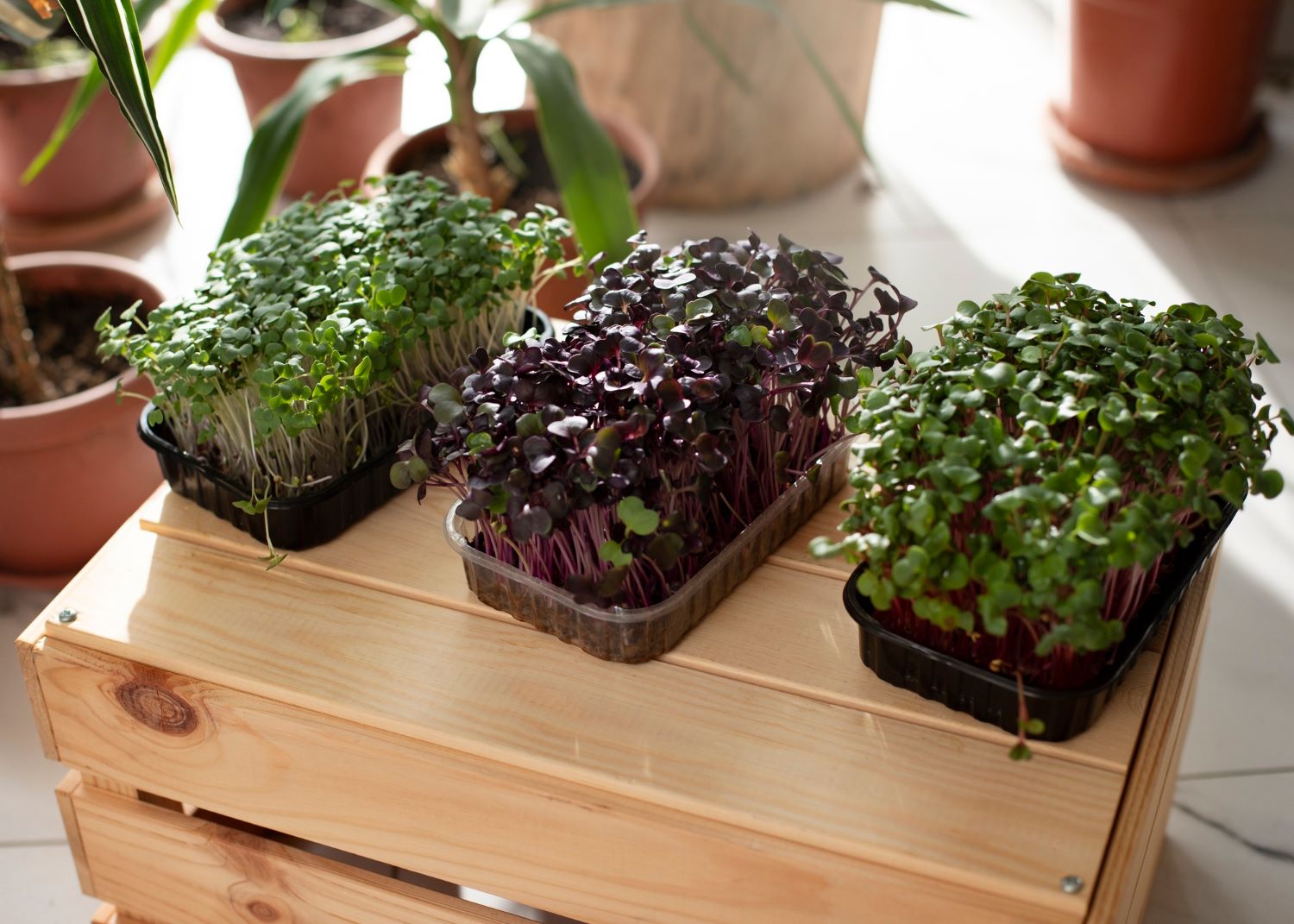
You do not need a large garden to grow some of your own food. A few pots on a windowsill, patio or balcony can provide herbs, salad leaves or small vegetables.
Growing even a small amount of food may help you feel more connected to what you eat. It can also give you more control over what is used while the food is growing. For some people, it adds enjoyment, routine and gentle activity.
That said, growing food is optional. It should not become another pressure. If you enjoy it, it can be a lovely addition. If you do not have the space, energy, mobility or interest, you can still support your health through good shopping, washing, preparation and meal choices.
The bigger goal is a supportive food pattern. My blog on the Mediterranean Diet for Parkinson’s Disease explains how colourful foods, fibre, healthy fats and simple whole foods can support overall wellbeing.
Washing and Preparing Food
Whatever food you buy, simple kitchen habits can help reduce exposure to potential contaminants, including soil, microbes and some surface residues.
Washing does not need to be complicated. The aim is to build a habit that becomes part of normal food preparation. For many people, this is more realistic than trying to buy everything organic or creating a long list of rules.
Peeling may be useful for some foods, especially if you are particularly concerned. However, it may also remove some fibre and nutrients. This is why a personalised approach is helpful. The best choice depends on the food, your symptoms, your preferences and how much effort is realistic.
Food Storage Also Matters
Reducing exposure is not only about pesticides. It is also about keeping food safe and fresh.
Storing food correctly can help reduce spoilage, mould and food waste. This matters because people living with Parkinson’s Disease may already have lower energy for shopping, cooking and food preparation.
A simple, organised kitchen can make healthier choices easier. This might mean keeping fresh produce visible, using older foods first, freezing suitable foods before they spoil and making sure foods are stored according to label guidance.
This section does not need to become a full food safety plan. The main message is that small habits can support both food quality and confidence.
Balancing Organic, Conventional and Practical Choices
Some people choose organic food to reduce exposure to certain farming chemicals. Others cannot access or afford organic food regularly. Both situations are understandable.
Organic food is not essential for a Parkinson’s Disease supportive diet. The most important foundation is still eating enough nourishing foods, including vegetables, fruit, wholegrains, protein foods, healthy fats and fluids.
If you can choose organic for some foods, that may feel helpful. If you cannot, you can still gain many benefits from a varied Mediterranean style pattern using conventional produce.
The most important point is this: do not let worry about perfect food stop you from eating good food.
Make Changes That Give the Biggest Benefit for the Least Effort
When energy is limited, it is important to choose your battles. People living with Parkinson’s Disease often need practical changes that offer a good return without adding too much effort.
For one person, the most realistic change may be washing produce more consistently. For another, it may be using fewer garden sprays. For another, it may be growing herbs in a pot. For someone else, it may be simply keeping household chemicals stored safely and using them less often.
There is no single correct starting point. The best starting point is the one you can actually maintain.
This is why I avoid giving a rigid list of rules. Your best plan should consider your home, budget, garden, mobility, energy, shopping habits, symptoms and support network.
Remember the Bigger Parkinson’s Disease Nutrition Picture
Pesticide exposure and Parkinson’s Disease is only one part of a much bigger picture.
For most people, the strongest nutrition foundation is still a varied, colourful, whole food pattern. This may include vegetables, fruit, wholegrains, beans, lentils, fish, eggs, poultry, olive oil, nuts, seeds, herbs and enough fluids.
This wider pattern can support digestion, energy, heart health, gut health and overall wellbeing. It can also help reduce reliance on highly processed foods.
If you are exploring how food quality links with inflammation and brain health, you may find my blog on Inflammation and Parkinson’s Disease useful.
The goal is not to focus only on what to avoid. The goal is to create an eating pattern and home environment that feel supportive.
When Personalised Support Can Help
General information can be helpful, but pesticide exposure and Parkinson’s Disease can quickly become confusing. You may wonder which foods to prioritise, whether organic is worth it, how much effort to put into washing and preparation, or how to balance environmental concerns with nutrition needs.
A personalised nutrition plan can help you look at this in context. This may include your current food intake, constipation, appetite, energy, weight changes, budget, cooking ability, shopping habits, symptom patterns and environmental concerns.
The aim is not to give you a rigid set of rules. The aim is to help you make calm, realistic choices that fit your life.
If you are based in the United Kingdom, Europe or looking for online support, my Parkinson’s Disease nutrition programmes are designed to help you feel clearer and more confident about food and lifestyle choices.
You can also browse my full Parkinson’s Disease blog library for more nutrition and lifestyle guidance.
Final Thoughts
Pesticide exposure and Parkinson’s Disease can feel like a complicated topic, but it does not need to create fear around food, gardening or daily life.
Small changes can be helpful. You might reduce routine chemical use in the garden, wash produce more consistently, think about food storage, grow a few herbs if you enjoy it or make simple choices that lower unnecessary exposure.
The key is to stay balanced. Environmental factors are only one piece of the Parkinson’s Disease puzzle. A varied Mediterranean style food pattern, enough nourishment, hydration, movement, rest, medical care and personalised support all matter too.
You do not need to do everything at once. Start with the changes that feel realistic, useful and manageable.
With the right support, you can make food, home and garden choices that feel informed rather than overwhelming.