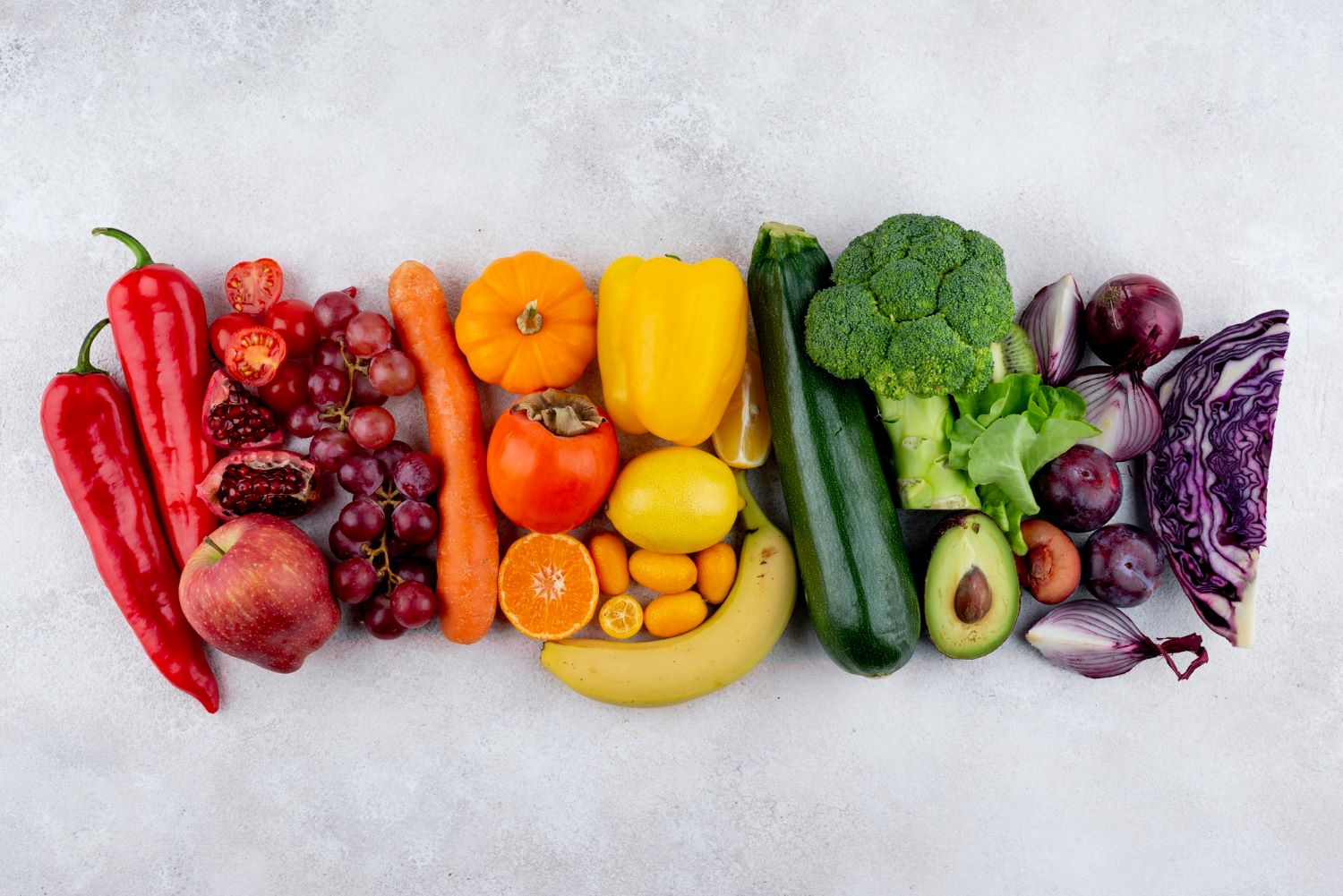
You are here, reading these words, and perhaps you have already been wondering about the role food plays in your health. Research suggests that a colourful Mediterranean diet for Parkinson’s Disease may be more supportive than the average British diet. While it cannot cure Parkinson’s Disease, it may support brain health, ease certain symptoms and enhance your overall sense of wellbeing over time, including digestive issues such as constipation and changes in mood.
The Mediterranean diet for Parkinson’s Disease is not about perfection. It is about building a flexible, nourishing way of eating that works for your body, your preferences and your daily life.
Food as part of your Parkinson’s Disease toolkit
The Mediterranean way of eating described below is not a rigid diet, and I know it is possible to learn how to eat in a different way. With the guidance of a Nutritional Therapist, you can choose whether you want to make changes quickly, slowly or one step at a time.
This way of eating is inspired by traditional food patterns in countries such as Greece and Italy, where meals are often built from simple, minimally processed foods. Over time, the Mediterranean diet for Parkinson’s Disease may help support some of the processes involved in Parkinson’s Disease, including oxidative stress, inflammation, digestion and overall energy.
Explore Parkinson’s Disease nutrition support
What does a Mediterranean diet for Parkinson’s Disease look like?
At its heart, the Mediterranean diet for Parkinson’s Disease is wonderfully straightforward. Cooking in this way can provide new insights into how foods make you feel. It is built around everyday foods you can find in most supermarkets across the United Kingdom and Europe, and it can be adapted to your culture, budget and preferences.
The emphasis is on balance and variety rather than perfection.
In practice, a Mediterranean diet for Parkinson’s Disease usually means:
• Plenty of vegetables and fruits across the day
• Whole grains such as oats, wholemeal bread, brown rice and wholewheat pasta as your main carbohydrate sources
• Regular use of olive oil as your main added fat
• Frequent plant proteins such as beans, lentils, chickpeas, nuts and seeds
• Moderate amounts of fish, poultry, eggs and fermented dairy such as yoghurt
• Smaller and less frequent portions of red meat, processed meats, pastries and highly processed snack foods
What makes this pattern particularly relevant for Parkinson’s Disease is not one superfood, but the combination. Whole foods bring together carbohydrates, fats, protein, vitamins, minerals and protective plant compounds in a way that tablets or isolated supplements cannot fully reproduce.
Why the Mediterranean diet for Parkinson’s Disease may matter
Parkinson’s Disease is closely linked with oxidative stress and ongoing inflammation. Over time, these processes may affect dopamine producing nerve cells affect, contributing to movement changes as well as symptoms such as sleep problems, constipation, changes in thinking and shifts in mood.
A Mediterranean diet for Parkinson’s Disease may support your body in several ways.
It is naturally rich in antioxidants and supportive plant compounds from vegetables, fruits, herbs, spices, nuts and olive oil.
Wholegrains and fibre help support gut health and bowel regularity, which can be especially important if constipation is part of your Parkinson’s Disease experience.
Healthy fats from olive oil, nuts, seeds and oily fish help support cell membranes and brain function.
Research suggests that people who follow Mediterranean or related patterns, such as the MIND diet, may experience fewer symptoms, slower progression and better cognitive function over time. These findings do not prove cause and effect, but they do point towards the power of your overall eating pattern rather than any one nutrient in isolation.
Review my nutrition programmes
Colour on your plate and Parkinson’s Disease
One of the most visible and enjoyable parts of the Mediterranean diet for Parkinson’s Disease is the emphasis on colourful vegetables and fruits. Think of your plate as a canvas. The more colours you include over the course of a week, the broader the spectrum of protective plant compounds you are likely to get.
Fruits and vegetables bring:
• Vitamins and minerals needed for bone strength, immune health and brain function
• Fibre to support your gut, which is especially important if you are prone to constipation
• Phytonutrients that act as antioxidants, helping your body handle everyday wear and tear
A useful target is at least five portions of vegetables and fruits a day, with many people benefitting from more. A portion is roughly 80 g, which is about three tablespoons of cooked vegetables, a small apple or a handful of grapes. Fresh, frozen and tinned options all count, as long as you watch added sugar and salt.
Juices and smoothies are best limited to a small 150 ml glass once a day, because the lack of fibre means the natural sugars are absorbed more quickly.
Leafy greens, berries and brain health
Green leafy vegetables deserve a special mention. Foods such as spinach, kale, broccoli, cabbage, rocket and lettuce are rich in folate and antioxidant compounds linked with cognitive health. A realistic aim is to include them on most days of the week. This might mean salad leaves in a sandwich, wilted spinach with eggs or a side of greens at dinner.
Berries are another valuable addition to a Mediterranean diet for Parkinson’s Disease. They are packed with colourful pigments such as anthocyanins that seem to be particularly helpful for brain health. Including berries three or more times a week, whether fresh, frozen or tinned in juice, is an achievable goal for many people.
Antioxidants and phytonutrients
Oxidative stress happens when there is an imbalance between free radicals and antioxidants. Free radicals are molecules that can contribute to damage, while antioxidants help protect the body.
In Parkinson’s Disease, this imbalance is thought to contribute to damage in dopamine producing nerve cells. Phytonutrients from plant foods act a little like an internal clean up crew, helping to neutralise some of this damage and support your body’s own defence systems.
You will find these helpful compounds in:
• Deeply coloured fruits and vegetables, such as berries, leafy greens, peppers, tomatoes and carrots
• Herbs and spices, such as parsley, basil, oregano, turmeric and rosemary
• Extra virgin olive oil
• Nuts, seeds and wholegrains
No single serving will transform your health overnight. The magic lies in consistency. This means building meals that regularly include these foods, day after day, in ways that are realistic for you.
Making the Mediterranean diet for Parkinson’s Disease realistic
If you are living with Parkinson’s Disease, it can feel overwhelming to change the way you eat. You may also be managing fatigue, constipation, appetite changes, medication timing or support from family and carers.
This is why the Mediterranean diet for Parkinson’s Disease should be personalised. For some people, the first step may be adding one extra vegetable to lunch. For others, it may be switching to olive oil, adding berries to breakfast or including more beans and lentils across the week.
If you take levodopa, protein timing may also need individual guidance. You do not need to work this out alone.
As a Nutritional Therapist supporting clients across the United Kingdom and Europe, I help people with Parkinson’s Disease explore practical nutrition strategies that fit real life. The aim is not restriction. The aim is to help you feel more supported, more confident and more in tune with your body.
Final thoughts
A Mediterranean diet for Parkinson’s Disease is not a cure, but it can be a helpful part of your wider support toolkit. By focusing on colourful vegetables, fruits, wholegrains, healthy fats, plant proteins and fibre, you can support digestion, brain health, energy and overall wellbeing in a realistic and nourishing way.
If you would like tailored support, review my nutrition programmes and book a discovery call to explore how personalised nutrition could support your Parkinson’s Disease journey.