If you have been reacting to foods and wondering whether high histamine foods could be part of the problem, you are not alone. Many people with ongoing digestive distress start searching for answers when they notice that foods usually described as healthy, such as tomatoes, avocado, spinach, citrus fruits, yoghurt, kefir or fermented vegetables, seem to leave them feeling bloated, flushed, itchy, headachy or uncomfortable.
It can be frustrating when your body appears to react differently from one day to the next. You may tolerate a food once, then struggle with the same food a few days later. This can lead to a cycle of confusion, restriction and food fear. Before removing more and more foods from your diet, it is important to understand what high histamine foods are, why they may affect digestion, and how to approach them safely.
High histamine foods are not bad foods. Many are nutrient rich and can be part of a healthy diet for people who tolerate them well. The issue is not that these foods are harmful for everyone. The issue is whether your current body can process the level of histamine and other amines that may be present.
This blog will help you understand high histamine foods in a clear, practical and supportive way, so you can make informed choices without becoming unnecessarily restricted.
What Is Histamine?
Histamine is a natural chemical found in the body and in certain foods. It plays important roles in immune responses, digestion, stomach acid production, blood pressure regulation and communication between cells.
Histamine is also part of a wider family of compounds called amines. Amines can naturally occur in foods, and they may also increase when foods are aged, fermented, ripened, stored for longer periods or broken down by microbes.
This is why high histamine foods are often foods that have been aged, fermented, cured, smoked, preserved or stored. It is also why freshness can make such a difference for some people.
Histamine itself is not the enemy. Your body needs histamine. Problems may arise when the amount of histamine entering the body becomes higher than your current ability to break it down.
What Are High Histamine Foods?
High histamine foods are foods that either contain higher levels of histamine, contain other amines, or may contribute to histamine like symptoms in sensitive people.
Common examples include:
Aged cheese
Yoghurt and kefir
Sauerkraut and fermented vegetables
Kombucha
Vinegar and vinegar containing foods
Alcohol, especially wine and beer
Cured or smoked meats
Processed meats
Canned fish
Smoked fish
Shellfish
Tomatoes
Spinach
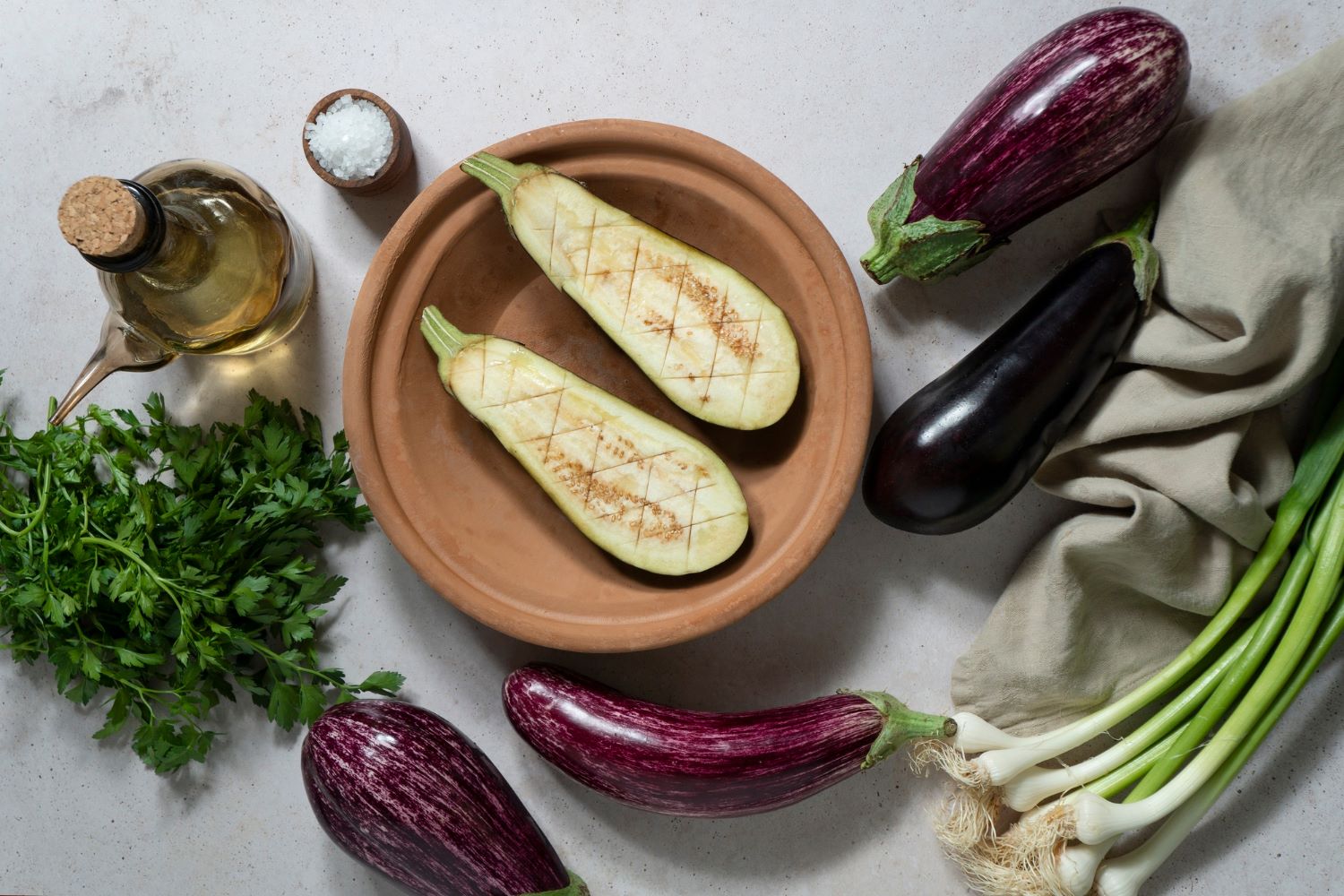
Aubergine
Avocado
Citrus fruits
Dried fruits
Chocolate and cocoa
Leftovers stored for longer periods
This list can feel overwhelming, especially if you have already tried several diets. Please remember that this is not a list of foods that everyone must avoid. It is simply a list of foods that may be more difficult for some people during a sensitive phase.
The aim is not to remove high histamine foods forever. The aim is to understand whether they are contributing to your symptoms and, if so, how to bring back as much variety as possible in a way your body can tolerate.
Why Do High Histamine Foods Affect Some People?
Your body has enzymes that help break down histamine. One of the key enzymes involved in breaking down food related histamine in the gut is diamine oxidase, often called DAO.
If DAO activity is reduced, overwhelmed or affected by gut irritation, histamine from food may not be broken down as efficiently. This may allow histamine to build up and contribute to symptoms.
A helpful way to picture this is the histamine bucket. Every day, histamine and other amines can drip into your bucket from food, alcohol, stress, hormones, illness, poor sleep, gut irritation and environmental triggers. Your body also has ways of draining the bucket through histamine breakdown.
If your bucket is not very full, you may tolerate high histamine foods without noticing much. If your bucket is already close to overflowing, the same food may trigger symptoms.
This is why high histamine foods can seem unpredictable. It may not be one food alone. It may be the total load that matters.
How High Histamine Foods Can Affect Digestion
High histamine foods may affect digestion in several ways. Some people experience symptoms quickly after eating. Others notice symptoms several hours later or even the next day.
Common digestive symptoms may include bloating, abdominal pain, cramping, flatulence, loose stools, diarrhoea, constipation, nausea, reflux like discomfort and a feeling that food sits heavily after eating.
Histamine can also be linked with symptoms outside the gut. Some people notice headaches, migraines, flushing, itching, hives, nasal congestion, sneezing, dizziness, palpitations, anxiety like sensations, insomnia or menstrual changes.
This does not mean histamine is always the cause. Many conditions can create similar symptoms. Food allergy, coeliac disease, inflammatory bowel disease, irritable bowel syndrome, mast cell activation syndrome and other medical conditions may need to be considered. This is especially important if your symptoms are severe, sudden, worsening or affecting your breathing, swallowing, blood pressure or heart rhythm.
Explore My Nutrition Programmes
Why Fermented Foods Can Be Tricky
Fermented foods are often described as gut healthy, and for many people they can be a useful part of a varied diet. However, fermented foods can be more challenging for someone with histamine intolerance symptoms.
During fermentation, microbes break down food components. This process can increase amines, including histamine. This means foods such as sauerkraut, kefir, yoghurt, kombucha, miso, tempeh and fermented vegetables may trigger symptoms in some people.
This can feel confusing because you may have been told to eat more fermented foods for gut health. The reality is more personal. A food can be healthy and still not be right for your body at a particular time.
If fermented foods worsen your symptoms, it does not mean your gut health is beyond repair. It may simply mean your digestive system needs a calmer starting point before you rebuild tolerance.
Food Freshness Matters
One of the most practical things to understand about high histamine foods is that histamine can increase as food ages. This is particularly relevant for fish, meat, leftovers, fermented foods and stored foods.
For some sensitive people, freshly cooked food may be better tolerated than leftovers kept for several days. This does not mean you can never batch cook. It means you may need to be more strategic.
Helpful food freshness habits may include cooking smaller portions, freezing leftovers quickly, choosing fresh meat and fish, avoiding food that has been sitting for a long time, and being cautious with buffet food, deli meats and pre prepared meals.
These steps are not about perfection. They are about reducing the histamine load while you work out what your body can manage.
Should You Restrict High Histamine Foods?
A short term reduction in high histamine foods may be helpful if your symptoms and history suggest histamine may be involved. However, jumping into a very restrictive diet without support can create new problems.
Long term restriction may reduce nutrient variety, affect your relationship with food, make social eating stressful and leave you unsure what your true triggers are.
A low histamine approach works best when it is structured. The workbook outlines a sensible three phase approach. The first phase is usually a short elimination period of 7 to 14 days to see whether symptoms improve. The second phase involves careful reintroduction over several weeks. The third phase is a longer term diet based on your own tolerance, preferences and needs.
This is very different from removing high histamine foods indefinitely.
What to Do Before Starting a Low Histamine Diet
Before restricting high histamine foods, it is helpful to take a step back and look at your whole picture.
Start by keeping a food and symptom diary for one to two weeks. Write down what you eat, when symptoms appear, how intense they are, your bowel habits, sleep quality, stress levels, menstrual cycle changes where relevant, alcohol intake and whether meals were freshly prepared or leftovers.
Look for patterns rather than blaming one food immediately. Histamine reactions can be cumulative, which means symptoms may reflect the total load from several meals and lifestyle factors.
It is also important to consider whether you have already removed many foods. If your diet is already limited, please seek support before restricting further.
When to Seek Medical Advice
Please do not assume all reactions are histamine intolerance. Seek medical advice if you experience swelling of the lips, tongue or throat, breathing difficulty, fainting, chest tightness, severe abdominal pain, blood in the stool, unexplained weight loss, persistent vomiting, ongoing diarrhoea or symptoms that feel sudden and severe.
It is also important to speak with your GP or relevant healthcare professional if you suspect food allergy, coeliac disease, inflammatory bowel disease, mast cell activation syndrome or another medical condition.
Nutrition support can be very helpful, but it should not replace appropriate medical assessment.
How I Can Support You
If you suspect high histamine foods are contributing to your digestive symptoms, you do not need to work it out alone. A personalised approach can help you identify patterns, reduce unnecessary restriction and build a plan that fits your real life.
In clinic, we can look at your digestive history, food intake, symptom timing, bowel habits, food freshness, stress, sleep, hormones, medication history, previous testing and current level of restriction. From there, we can decide whether a short low histamine trial is appropriate and how to reintroduce foods safely.
As a United Kingdom based nutrition practitioner supporting clients across the United Kingdom and Europe, my aim is to help you feel more confident with food, not more afraid of it.
Review My Nutrition Programmes and Book a Discovery Call
Final Thoughts
High histamine foods can be an important part of the picture for some people with digestive symptoms, but they should not automatically become a long term list of forbidden foods.
If you are reacting to fermented foods, aged foods, alcohol, leftovers or certain fruits and vegetables, histamine may be worth exploring. The key is to do this in a structured and supportive way.
Rather than cutting out more and more foods, start by understanding your symptoms, looking at your overall histamine load and working towards a personalised plan. With the right support, it may be possible to reduce symptoms, rebuild food confidence and return to a more varied way of eating.