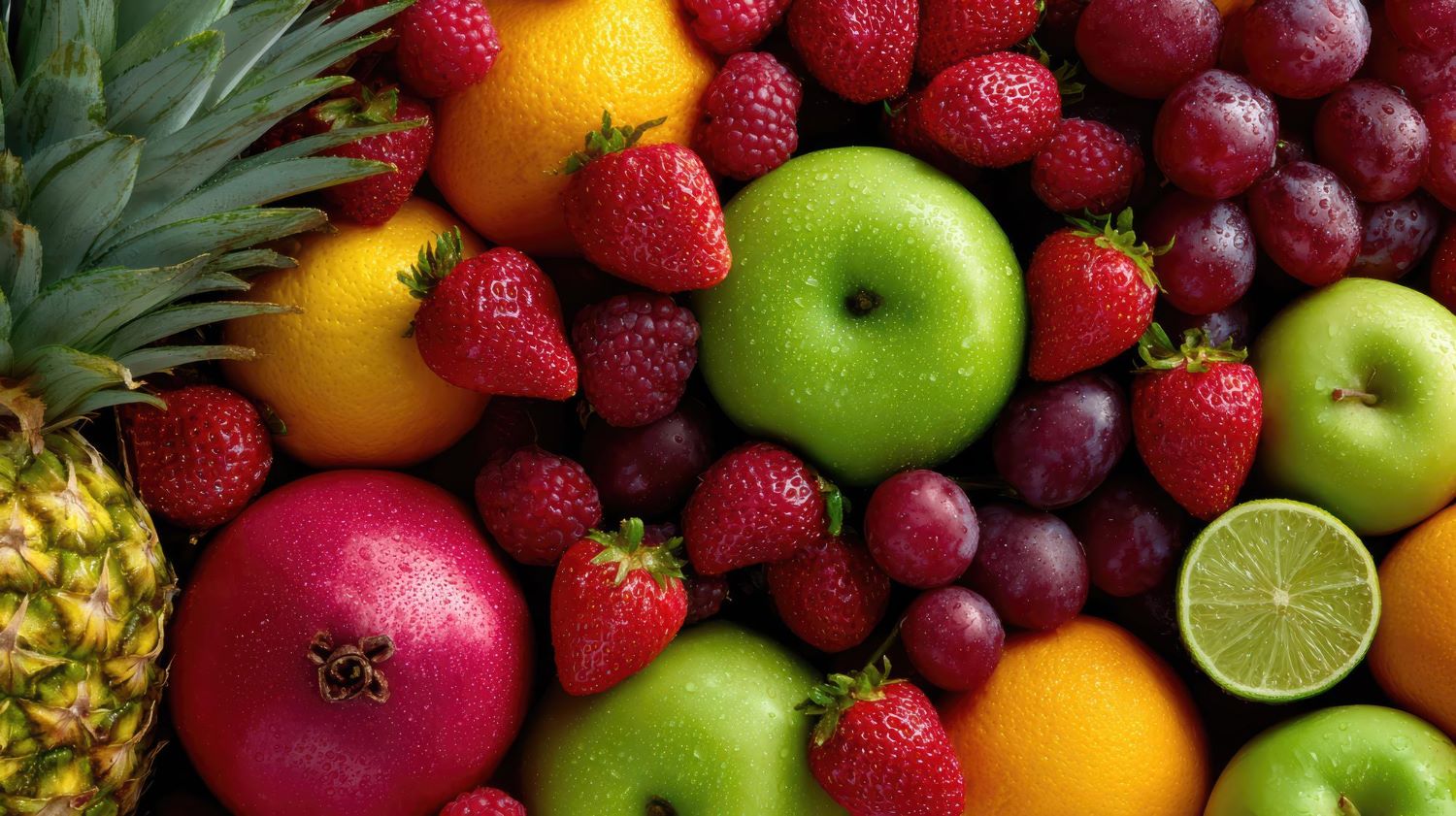
Wholegrains, fruits and vegetables sit at the heart of a Mediterranean style way of eating. For people living with Parkinson’s Disease, they can make a meaningful difference to energy, gut health and long term brain support. Instead of cutting foods out, this approach is about bringing more in. More fibre, more colour and more of the protective plant compounds your body needs to cope with day to day wear and tear.
Fruits and vegetables in Parkinson’s Disease are not about perfection. They are about building a colourful, nourishing and realistic pattern of eating that supports your body over time.
Why carbs and colour matter in Parkinson’s Disease
Carbohydrates are your body’s main fuel source. When you eat them, they are broken down into glucose, which powers everything from walking and talking to thinking and breathing. For people with Parkinson’s Disease, keeping that fuel steady, rather than surging and crashing, may help with managing fatigue, mood and concentration across the day.
Fruits, vegetables and wholegrains also provide vitamins, minerals and phytonutrients that support:
• Brain and nerve function
• Immune health
• Muscle performance and movement
• Gut health and bowel regularity
They are also major sources of antioxidants, which are compounds that help protect cells from oxidative stress. This is a process thought to contribute to the progression of Parkinson’s Disease by damaging dopamine producing nerve cells. In other words, the right carbohydrates do not just feed you. They help shield your brain.
Explore Parkinson’s Disease nutrition support
Wholegrains, fruits and vegetables in Parkinson’s Disease
Not all carbohydrates behave in the same way. Broadly, we can group carbohydrate containing foods into three helpful categories.
Simple sugars, such as table sugar, honey, syrups and many sweets, are absorbed quickly and give short lived bursts of energy with little nutritional value.
Starchy carbohydrates, such as bread, pasta, rice and potatoes, break down more slowly and can form the backbone of your energy intake.
Fibre, found in wholegrains, pulses, nuts, seeds, fruits and vegetables, is not fully digested, but plays a crucial role in gut and metabolic health.
Wholegrains are grains that retain all three parts of the kernel. These are the fibre rich bran, the nutrient dense germ and the starchy endosperm. When grains are refined into white flour or white rice, those outer layers are stripped away, taking much of the fibre, B vitamins and other beneficial compounds with them.
In practical terms, wholegrains include:
• Oats, barley and wholewheat
• Brown or wild rice
• Wholemeal or wholegrain breads and pastas
• Certain high fibre breakfast cereals based on whole grains
Swapping refined grains for wholegrains where you can may help you feel fuller for longer, support steadier blood sugar and nurture your gut. This is one reason why fruits and vegetables in Parkinson’s Disease often work best as part of a wider whole food pattern, rather than as isolated additions.
Fibre, constipation and your gut brain axis
Constipation is extremely common in Parkinson’s Disease, often because of slowed gut motility, reduced activity levels and medication effects. It is not just uncomfortable. It can interfere with how well your levodopa is absorbed and may worsen bloating, nausea and appetite.
Fibre is a key ally here. There are two main types.
Soluble fibre is found in oats, pulses and many fruits and vegetables. It dissolves in water to form a gel like substance, helping to slow digestion, support blood sugar balance and lower cholesterol.
Insoluble fibre is found in wholegrain breads and cereals, brown rice, nuts, seeds and the skins of fruits and vegetables. It adds bulk to stool and helps keep things moving.
Together, and with enough fluid, these fibres help keep your bowels regular and support a healthy balance of gut bacteria. That gut microbiome, in turn, influences inflammation, immune function and possibly even brain health, all of which are relevant in Parkinson’s Disease.
If your bowel has been sluggish for some time, increase fibre gradually to avoid bloating and discomfort. Always pair fibre with adequate fluids, usually around 1.5 to 2 litres per day, unless your clinician advises otherwise.
A special note is needed here. Some people with Parkinson’s Disease develop gastroparesis, where food empties slowly from the stomach. If you feel full very quickly, have frequent nausea or upper abdominal bloating, speak to your neurologist, GP or dietitian before dramatically increasing fibre, as certain high fibre foods can worsen these symptoms.
Review my nutrition programmes
Why variety and colour matter
Different coloured fruits and vegetables contain different phytonutrients, each offering slightly different benefits. By eating a wide range of colours over the week, you naturally boost the diversity of protective compounds in your diet.
As a rough guide:
• Green vegetables, such as spinach, kale, broccoli and rocket, are rich in folate and compounds linked with cognitive health
• Red and purple fruits, such as berries, plums and red grapes, contain antioxidants that may help dampen inflammation
• Orange vegetables, such as carrots, sweet potatoes and butternut squash, provide beta carotene, which supports immune function and vision
Rather than fixating on each individual nutrient, you can simply aim for a rainbow. This means different colours across your meals and snacks, rather than relying on the same two or three vegetables every day.
Fruits and vegetables in Parkinson’s Disease can be especially helpful when they are practical and enjoyable. A colourful plate is not only more nourishing, it can also make meals feel more appealing, particularly if appetite or motivation is lower.
Green leafy vegetables in Parkinson’s Disease
Green leafy vegetables deserve special attention. They are among the most nutrient dense foods and are particularly rich in folate and other compounds associated with brain and cardiovascular health.
You do not need to eat large amounts at once. Small amounts, often, can be a realistic place to start. You might add spinach to scrambled eggs, rocket to a sandwich, cabbage to soup or kale to a simple pasta dish.
For people living in the United Kingdom and Europe, these foods are widely available in supermarkets, farm shops and frozen food sections. Frozen spinach, frozen broccoli and mixed greens can be especially useful when cooking feels tiring or chopping feels difficult.
This is a simple way to make fruits and vegetables in Parkinson’s Disease feel more manageable.
Berries and brain health
Among fruits, berries stand out for their potential benefits in brain health. They are rich in flavonoids and anthocyanins, which are pigments that give them their deep colours and act as antioxidants and anti inflammatory agents.
You do not need large quantities to see potential benefits. Including berries a few times a week is a realistic and helpful target.
Frozen berries are often cheaper than fresh and retain their nutritional value, making them a very practical choice. You might add them to porridge, yoghurt, smoothies or a simple bowl of stewed fruit.
Fruits and vegetables in Parkinson’s Disease should always fit your lifestyle. If fresh berries feel too expensive or spoil too quickly, frozen berries are a sensible and nourishing option.
Making fruits, vegetables and wholegrains work in real life
The biggest barriers to eating more whole plant foods are usually convenience, cost, energy and habit. When you are living with Parkinson’s Disease, chopping, cooking and shopping can feel overwhelming, especially on days when symptoms flare.
Small, realistic changes can make a big difference:
• Use frozen vegetables because they are pre chopped, quick to cook and nutritionally comparable to fresh
• Keep tinned tomatoes, beans, chickpeas, sweetcorn and fruit in juice in the cupboard for easy, low effort meals
• Batch cook simple wholegrain dishes, such as brown rice salads, lentil stews or vegetable packed soups, on better days and freeze portions for later
• Ask family, friends or carers to help with food preparation, or consider meal kit services if they fit your budget and energy levels
Try to tie new habits to existing routines. For instance, every time you take your morning medication, you might have a glass of water and a piece of fruit. Or you might add at least one extra vegetable to your usual evening meal.
These small steps can make fruits and vegetables in Parkinson’s Disease feel less overwhelming and more sustainable.
Putting it all together for steady energy
For many people with Parkinson’s Disease, one of the most impactful and achievable shifts is to base meals around wholegrains, fruits and vegetables, then layer protein and healthy fats on top. You do not need to count every gram or hit perfection every day. What matters most is the pattern over time.
You might start with just one or two changes:
• Swapping white bread or rice for wholemeal or brown versions most of the time
• Aiming for at least one portion of vegetables at lunch and two at dinner
• Adding berries to breakfast two or three days a week
As those changes become routine, you can build from there. Over weeks and months, a plate that is richer in wholegrains, fibre and colourful plant foods can support smoother digestion, steadier energy and a more protective internal environment for your brain.
Fruits and vegetables in Parkinson’s Disease are not a cure, but they can be a valuable part of your wider nutrition toolkit. They can support gut health, bowel regularity, energy and long term wellbeing in a way that feels practical and achievable.
If you would like help personalising your nutrition, review my nutrition programmes and book a discovery call. Together, we can look at your symptoms, medication routine, digestion, energy and food preferences, and build a plan that feels realistic for you.