If you are dealing with ongoing bloating, discomfort, irregular bowel habits, or a gut that simply never feels settled, it can feel exhausting to keep searching for answers. Many people focus heavily on fibre, probiotics, or eliminating foods, yet overlook one of the most foundational elements of digestive health: micronutrients.
Micronutrients are the vitamins and minerals your body needs in small amounts, but their impact on gut health is anything but small. The best micronutrient rich foods for a healthy gut support digestion, maintain the gut lining, nourish beneficial bacteria, and help calm chronic digestive stress. For individuals with long standing digestive distress, micronutrient status is often a missing piece of the puzzle.
In this article, we will explore why micronutrients matter for digestion, the best micronutrient rich foods for a healthy gut, and how to include them gently and realistically if your digestion feels sensitive or unpredictable.
If you are looking for personalised guidance, this is also an excellent moment to book a discovery call and explore how tailored nutrition support could help you move forward.
Why Micronutrients Matter for Gut Health
Micronutrients include vitamins such as A, C, D, E, and the B vitamins, along with minerals like zinc, magnesium, iron, and selenium. While they do not provide calories, they are essential for nearly every digestive process.
For gut health specifically, micronutrients help to:
• Support stomach acid production and enzyme activity
• Maintain the integrity of the gut lining
• Reduce low grade inflammation in the digestive tract
• Support gut immune function
• Encourage balance within the gut microbiome
When micronutrient intake is low, digestion can become sluggish, the gut lining may become more fragile, and symptoms such as bloating, constipation, diarrhoea, or food sensitivities can worsen over time.
This is why focusing on the best micronutrient rich foods for a healthy gut is so important, particularly for people in the United Kingdom and across Europe who may be managing stress, restrictive diets, or long-term digestive symptoms.
Common Reasons People with Digestive Issues Are Low in Micronutrients
Many of my clients are surprised to learn they may be micronutrient deficient, even if they are eating what looks like a healthy diet. Digestive distress itself can impair absorption, meaning you may not be getting the full benefit of the nutrients you consume.
Common contributing factors include:
• Chronic diarrhoea or constipation
• Low stomach acid or digestive enzyme output
• Highly restrictive diets such as low FODMAP followed long term
• Inflammation of the gut lining
• Stress related digestive dysfunction
This is why gentle, nutrient dense foods are often more effective than aggressive elimination approaches. Focusing on the best micronutrient rich foods for a healthy gut helps rebuild digestive resilience rather than simply managing symptoms.
Leafy Greens as Micronutrient Powerhouses
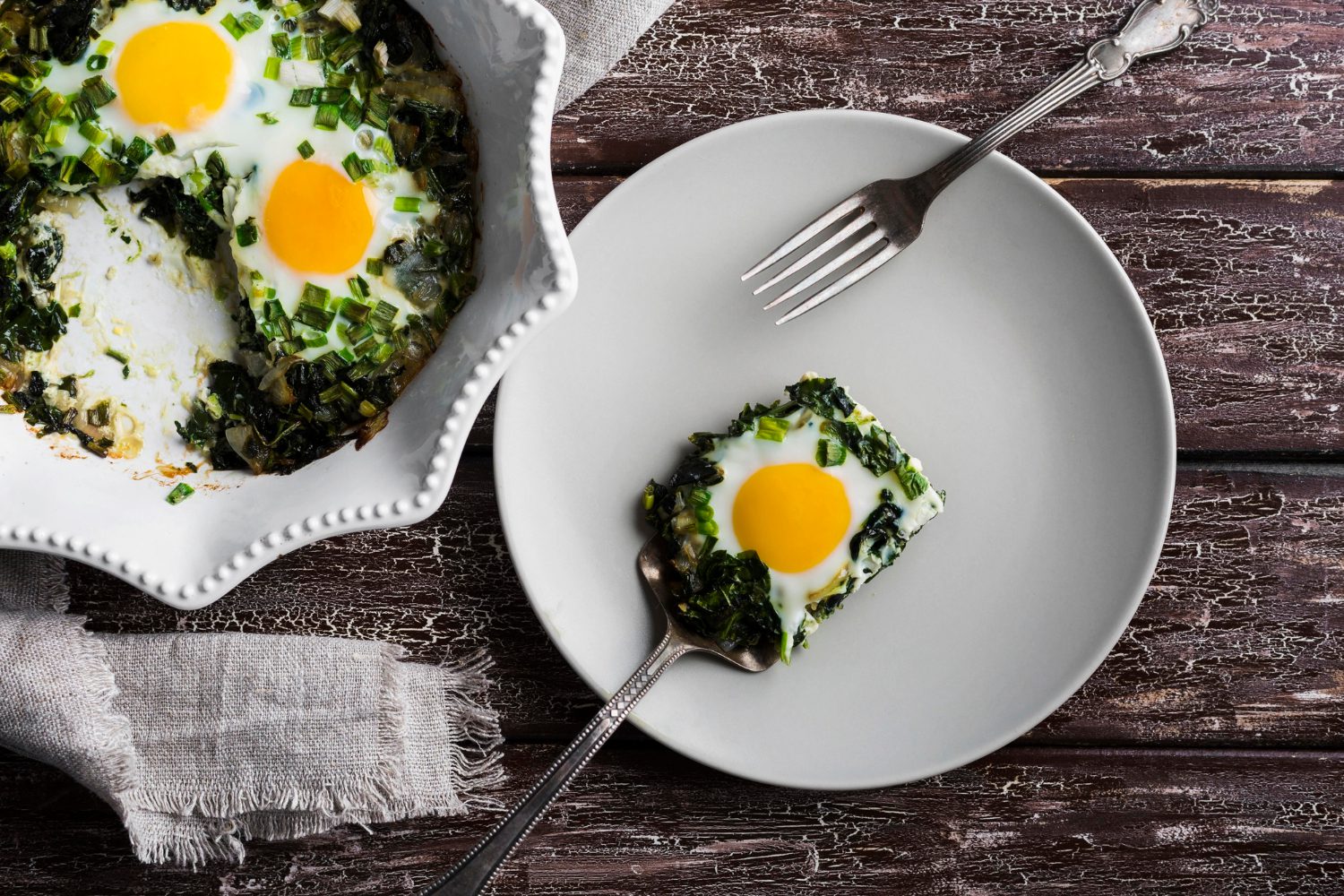
Leafy greens are among the best micronutrient rich foods for a healthy gut. They are rich in magnesium, folate, vitamin C, vitamin K, and plant compounds that support gut lining integrity.
Examples include:
• Spinach
• Kale
• Swiss chard
• Rocket
For sensitive digestion, lightly cooking leafy greens can make them easier to tolerate. Magnesium supports bowel regularity, while folate plays a role in gut cell turnover and repair.
If raw salads feel uncomfortable, try sautéing greens gently or adding them to soups and stews. These small changes can significantly improve tolerance while still delivering micronutrient benefits.
If you need help adjusting foods for your own digestion, consider booking a discovery call to discuss personalised strategies.
Colourful Vegetables and Gut Diversity
Brightly coloured vegetables provide a wide range of micronutrients and phytonutrients that support microbial diversity. The best micronutrient rich foods for a healthy gut often come in many colours because each colour signals a different nutritional profile.
Key choices include:
• Carrots for beta carotene and vitamin A
• Red peppers for vitamin C
• Courgettes for potassium
• Aubergine for polyphenols
Vitamin A supports gut lining health, while vitamin C plays a role in immune balance within the digestive tract. For those experiencing bloating, roasting vegetables can improve digestibility compared to raw forms.
Including a variety of colours over the week, rather than every meal, can feel more manageable for sensitive digestion.
Zinc Rich Foods for Gut Repair
Zinc is one of the most important minerals for maintaining the gut barrier. Low zinc levels are commonly seen in individuals with chronic digestive distress, and deficiency can impair gut healing.
The best micronutrient rich foods for a healthy gut that provide zinc include:
• Pumpkin seeds
• Oysters
• Beef and lamb
• Chickpeas
Zinc supports enzyme function and immune balance in the gut.
This is an ideal time to book a discovery call if you want tailored support.
Magnesium and Digestive Calm
Magnesium plays a crucial role in muscle relaxation, including the muscles of the digestive tract. It also supports nerve signalling between the gut and brain.
Magnesium rich foods include:
• Dark leafy greens
• Nuts and seeds
• Avocados
• Whole grains
For people experiencing constipation or stress related digestive symptoms, magnesium rich foods can gently support bowel regularity. Introducing them slowly helps avoid discomfort.
This is another reason the best micronutrient rich foods for a healthy gut often overlap with stress supportive nutrition.
Iron and B Vitamins for Gut Energy
Iron and B vitamins are essential for oxygen delivery and cellular energy production in the gut lining. Low levels may contribute to fatigue, slow digestion, and poor gut repair.
Food sources include:
• Red meat and poultry
• Eggs
• Lentils
• Spinach
If iron rich foods worsen symptoms, it may indicate underlying absorption challenges. Rather than removing these foods entirely, guided support can help improve tolerance and digestion.
You may find it helpful to explore this further through booking a discovery call and reviewing your individual nutrient needs.
Selenium and Antioxidant Protection
Selenium is often overlooked but plays a key role in antioxidant defence and immune balance within the gut.
The best micronutrient rich foods for a healthy gut that contain selenium include:
• Brazil nuts
• Fish
• Eggs
Just one to two Brazil nuts per week can provide sufficient selenium. This mineral supports gut immune responses and helps manage oxidative stress.
Supporting Absorption as Well as Intake
Eating micronutrient rich foods is only part of the picture. Absorption depends on digestive function, enzyme production, and gut lining health.
Helpful strategies include:
• Eating in a relaxed environment
• Chewing food thoroughly
• Avoiding overly restrictive diets long term
• Supporting digestive capacity gently
This is where personalised nutrition can be particularly powerful. If you feel stuck, book a discovery call to explore practical next steps.
Common dietary patterns often include processed foods and irregular meal timing while seasonal eating, locally sourced vegetables, and traditional cooking methods can naturally increase micronutrient intake while supporting digestion.
Focusing on whole, minimally processed foods aligned with your digestive tolerance is often more sustainable than chasing trends.