If you suspect that histamine is contributing to your digestive symptoms, it can be tempting to remove every food that appears on a high histamine list. When you are dealing with bloating, cramps, diarrhoea, constipation, nausea, flushing, headaches, itching, poor sleep or unpredictable food reactions, you naturally want answers quickly.
However, a histamine elimination diet needs to be approached carefully. The goal is not to make your diet smaller and smaller. The goal is to understand whether histamine is part of your symptom picture, reduce your overall load for a short period, and then reintroduce foods in a structured way.
Histamine is a natural chemical that your body needs. It plays a role in immune responses, digestion, stomach acid production, blood pressure regulation and communication between cells. Histamine is also found in some foods, especially foods that are aged, fermented, cured, smoked, preserved, overripe or stored for longer periods.
A histamine elimination diet can be a helpful tool for some people, but it is not meant to be a forever diet. Used safely, it can help you gather information about your body. Used too strictly or for too long, it can increase food fear, reduce nutrient variety and make eating feel even more stressful.
This blog will guide you through how to start a histamine elimination diet safely, what to consider before you begin and why reintroduction is just as important as elimination.
What Is a Histamine Elimination Diet?
A histamine elimination diet is a short term dietary trial where higher histamine foods and drinks are reduced for a limited period to see whether symptoms improve.
It is often used when symptoms suggest that histamine intolerance may be part of the picture. These symptoms may include digestive discomfort, bloating, diarrhoea, constipation, nausea, flushing, itching, rashes, hives, headaches, migraines, nasal congestion, palpitations, poor sleep or feeling more reactive around certain foods.
A histamine elimination diet is not the same as a weight loss diet, a detox or a permanent food avoidance plan. It is a structured assessment tool.
The safest way to use it is in three stages.
First, you reduce higher histamine foods for a short period.
Second, you observe whether symptoms change.
Third, you reintroduce foods carefully to understand your personal tolerance.
This final stage matters because the aim is to return to the most varied diet possible while still supporting symptom control.
Why Safety Matters Before You Start
Many people begin a histamine elimination diet after reading long food lists online. The problem is that these lists often differ from one another. One list may say a food is allowed, while another may say the same food should be avoided. This can quickly become confusing.
Histamine levels in food can also vary depending on ripeness, storage, freshness, processing and preparation. This means a food list can never tell the whole story.
Safety matters because removing too many foods can reduce your intake of protein, fibre, healthy fats, vitamins, minerals and plant variety. It can also make eating socially difficult and increase anxiety around food.
A histamine elimination diet should help you feel clearer, not more afraid of eating. This is why it is important to start with a plan, a time limit and a reintroduction strategy.
Explore My Nutrition Programmes
Step One: Check Whether Histamine Fits Your Symptom Pattern
Before starting a histamine elimination diet, take a step back and look at your symptoms.
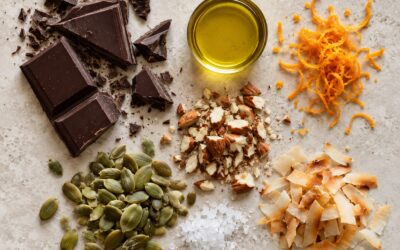
Histamine may be worth exploring if your symptoms are worse after foods such as aged cheese, yoghurt, kefir, sauerkraut, kombucha, vinegar, wine, beer, cured meats, smoked fish, canned fish, shellfish, tomatoes, spinach, aubergine, avocado, citrus fruits, dried fruit, chocolate or leftovers stored for longer periods.
You may also notice that symptoms are worse after meals that contain several higher histamine foods together. For example, wine, tomato sauce, aged cheese and processed meat in one meal may be more difficult than one small portion of a higher histamine food on its own.
It is also helpful to consider whether your reactions change from day to day. Histamine tolerance can be influenced by stress, sleep, hormones, alcohol, illness, medication use, gut irritation and overall food load.
If your symptoms are severe, sudden or allergy like, please do not rely on a histamine elimination diet alone. Seek medical advice, especially if you experience swelling of the lips, tongue or throat, difficulty breathing, fainting, chest tightness, severe abdominal pain, blood in the stool, persistent vomiting, ongoing diarrhoea or unexplained weight loss.
Step Two: Keep a Food and Symptom Diary First
A food and symptom diary is one of the most useful steps before starting a histamine elimination diet.
For one to two weeks, track what you eat and drink, when symptoms appear, how intense symptoms are and what else was happening that day.
Include notes on:
What you ate
Whether meals were freshly cooked or leftovers
Alcohol intake
Digestive symptoms
Skin symptoms
Headaches or migraines
Nasal or respiratory symptoms
Sleep quality
Stress levels
Menstrual cycle stage where relevant
Medication or supplement changes
Exercise, illness or travel
The timing of symptoms
Try not to judge the diary as you write it. The aim is simply to gather information. Histamine reactions may appear quickly, but they may also appear hours later or the next day. A diary helps you see patterns that are difficult to remember clearly.
Step Three: Decide on a Sensible Time Frame
A histamine elimination diet should usually be short term. The Histamine workbook uses a short elimination phase as a starting point, often around 7 to 14 days, followed by careful reintroduction. Some clinical guidance may use a longer trial of around 2 to 4 weeks, especially where symptoms need more time to settle.
The right time frame depends on your symptoms, health history, current diet and level of restriction.
For many people, a short trial is enough to see whether symptoms begin to change. If nothing improves at all, histamine may not be the main driver, or there may be other factors that need to be explored.
If symptoms do improve, that does not mean every food removed is a problem forever. It simply means the next step is reintroduction.
A histamine elimination diet is only useful if you learn from it.
Book Your Personalised Digestion Support Call
Step Four: Reduce the Main Higher Histamine Foods
During the elimination phase, the focus is usually on reducing foods and drinks most likely to add to the histamine load.
Common higher histamine foods and drinks may include:
Aged cheese
Yoghurt and kefir
Sauerkraut and fermented vegetables
Kombucha
Vinegar and vinegar containing foods
Alcohol, especially wine and beer
Processed meats
Cured meats
Smoked fish
Canned fish
Shellfish
Tomatoes
Spinach
Aubergine
Avocado
Citrus fruits
Dried fruit
Chocolate and cocoa
Leftovers stored for longer periods
This does not mean these foods are unhealthy. Many of them can be nutritious and enjoyable for people who tolerate them well. The purpose of a histamine elimination diet is not to label foods as good or bad. It is to reduce the load temporarily while you assess your response.
Step Five: Focus on Fresh, Simple and Nourishing Meals
A safe histamine elimination diet should still include enough food, variety and nourishment.
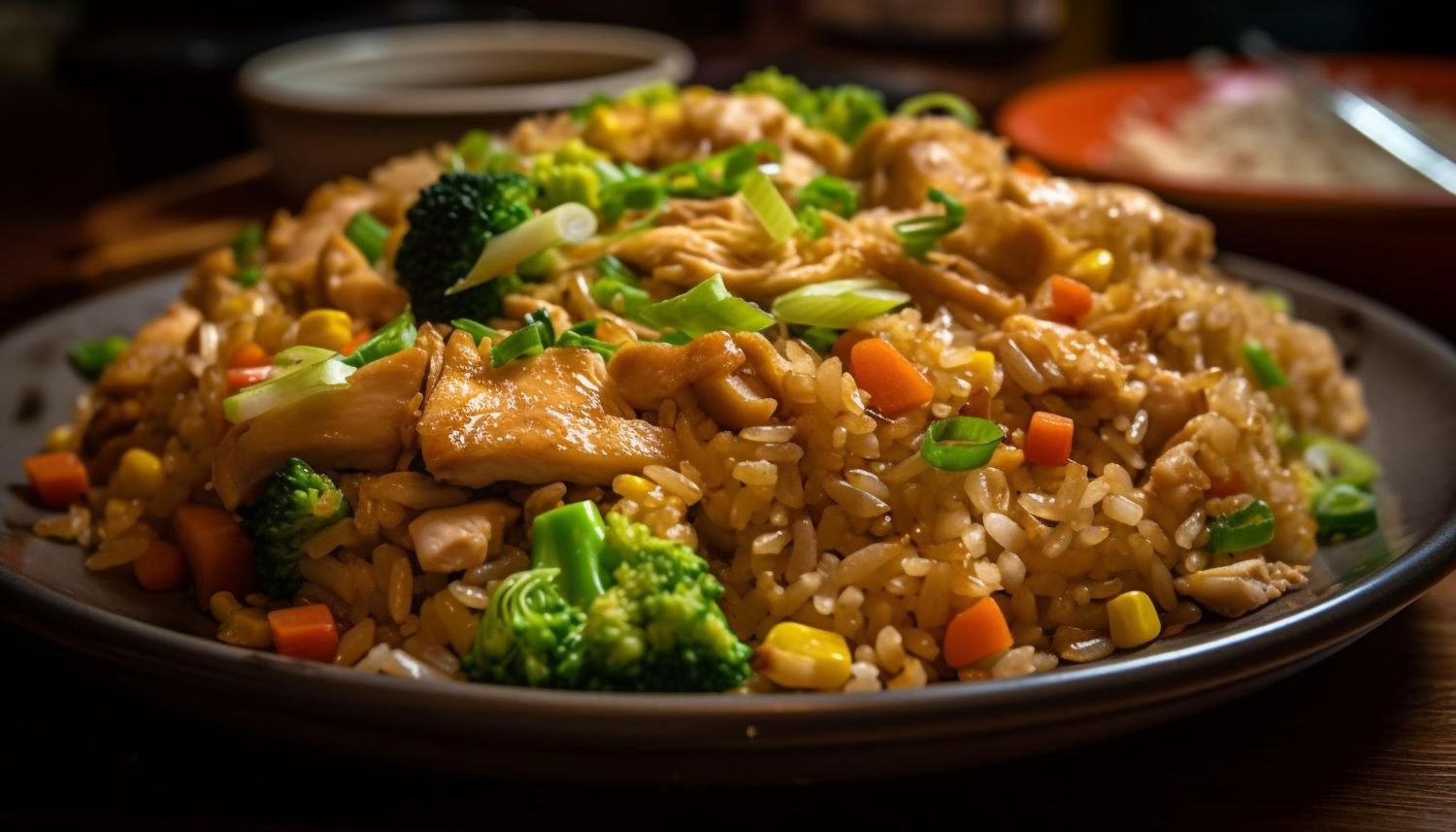
Many people start with freshly cooked meals built around tolerated protein, carbohydrates, vegetables and fats.
This might include fresh chicken, turkey, lamb, beef or eggs if tolerated. Some people tolerate very fresh fish, but fish can become higher in histamine quickly if it is not handled or stored carefully.
Useful carbohydrates may include rice, oats, potatoes, sweet potatoes, quinoa and pasta, depending on your tolerance.
Vegetables that may be suitable starting points for some people include courgette, carrots, broccoli, cauliflower, cucumber, lettuce, kale, onions and fresh herbs.
Fruits that may suit some people include apples, pears, blueberries, mango, melon, pomegranate and cranberries.
These are not guaranteed safe foods for everyone. They are simply practical starting points that may be better tolerated by some people during a lower histamine trial.
Step Six: Pay Attention to Food Freshness
Food freshness is one of the most practical parts of a histamine elimination diet.
Histamine and other amines can increase as certain foods age, ferment, ripen or spoil. This is especially relevant for fish, meat, leftovers, fermented foods and preserved foods.
You may find it helpful to:
Cook smaller portions
Freeze leftovers quickly once cooled
Avoid keeping leftovers in the fridge for several days
Choose fresh meat and fish carefully
Avoid buffet foods that may have been sitting out
Be cautious with deli meats and ready prepared meals
Use simple freshly cooked meals where possible
This does not mean you need to be perfect. It means you are reducing one common source of histamine while you assess your symptoms.
Step Seven: Avoid Making the Diet Too Restrictive
One of the biggest risks with a histamine elimination diet is over restriction.
If you remove histamine rich foods, gluten, dairy, FODMAPs, nightshades, grains, legumes, eggs, nuts and multiple other food groups at the same time, it becomes very difficult to know what is actually helping.
It can also make it harder to meet your nutritional needs.
A safer approach is to change one main variable at a time where possible. If histamine is the question, keep the focus on histamine while maintaining as much variety as your body tolerates.
If your diet is already very limited, please do not start a histamine elimination diet without professional support. The priority may be to stabilise your intake and protect nourishment before removing anything else.
Get Help Understanding Your Food Reactions
Step Eight: Reintroduce Foods Carefully
Reintroduction is the most important part of a histamine elimination diet.
Once symptoms have settled, begin adding foods back one at a time. Choose one food to test, eat a small amount, observe symptoms and avoid testing several new foods at once.
You may want to start with foods you miss most or foods that are nutritionally useful. For example, you might test tomato, avocado, yoghurt or citrus fruit one at a time.
Keep notes on portion size, timing, symptoms and anything else that may influence your tolerance, such as stress, sleep, alcohol, hormones or illness.
Reintroduction helps you answer practical questions.
Can I tolerate this food in small amounts?
Does freshness make a difference?
Do symptoms only appear when I eat several higher histamine foods together?
Is this food a clear trigger for me?
Can I enjoy this occasionally without problems?
This is how you move from restriction to confidence.
What If Symptoms Improve?
If your symptoms improve during a histamine elimination diet, it may suggest that histamine or related amines are part of your picture. It does not prove that histamine is the only issue.
The next step is to reintroduce foods and look at the wider drivers of your histamine bucket. These may include gut health, stress, poor sleep, alcohol, hormones, inflammation, medication use and food freshness.
The goal is not to keep your diet low histamine forever. The goal is to understand what helps your body feel more settled and how much flexibility you can build back in.
What If Symptoms Do Not Improve?
If symptoms do not improve, that information is useful too.
It may mean that histamine is not the main driver. It may also mean that another issue needs to be investigated, such as food allergy, coeliac disease, inflammatory bowel disease, irritable bowel syndrome, mast cell activation syndrome, systemic mastocytosis, medication reactions or another medical condition.
This is why it is important to avoid staying on a histamine elimination diet indefinitely if it is not helping. More restriction is not always the answer.
How I Support Clients With a Histamine Elimination Diet
If you suspect histamine is affecting your digestion, you do not need to work it out alone.
In clinic, we can look at your symptoms, food intake, digestive history, bowel habits, food freshness, reactions to fermented foods, stress, sleep, hormones, medication use, supplement history, previous testing and current level of restriction.
From there, we can decide whether a histamine elimination diet is appropriate, how long to trial it and how to reintroduce foods safely.
As a United Kingdom based nutrition practitioner supporting clients across the United Kingdom and Europe, my approach is practical, supportive and personalised. I aim to help you feel more confident with food, not more restricted.
Final Thoughts
A histamine elimination diet can be a helpful tool when used safely and strategically. It can help you understand whether histamine is contributing to bloating, abdominal discomfort, bowel changes, flushing, headaches, itching, poor sleep or other symptoms.
However, it should not become a long term list of forbidden foods. The safest approach is to track symptoms, reduce higher histamine foods for a limited time, focus on fresh nourishing meals, and then reintroduce foods carefully.
Your body is not trying to make eating difficult. Your symptoms may be information. With the right support, you can use that information to create a calmer, more confident and more varied way of eating.