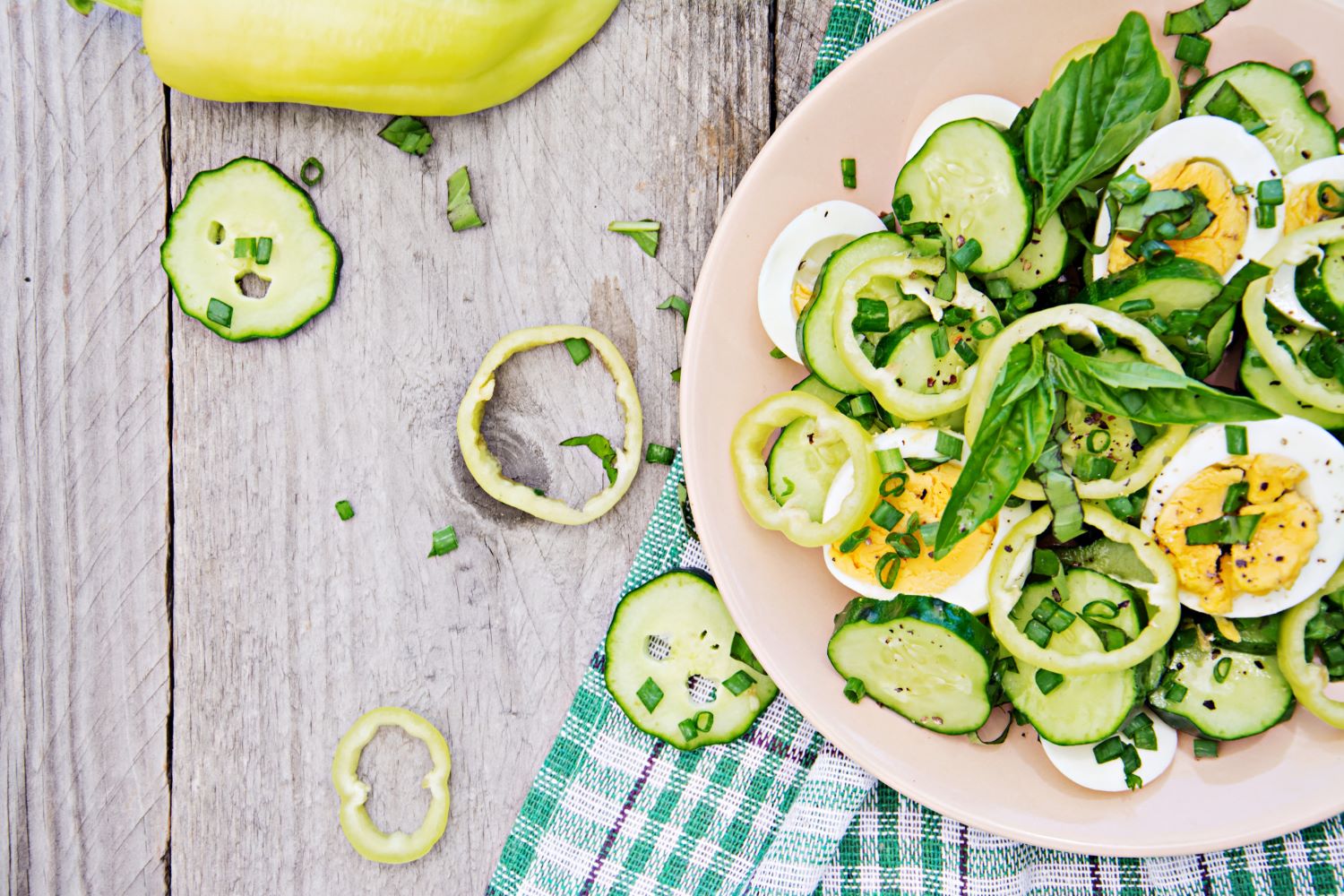
If you have been struggling with bloating, cramps, diarrhoea, constipation, nausea, flushing, headaches, itching or a sense that your body reacts unpredictably to food, you may have come across the term histamine intolerance. It can feel confusing, especially when foods that are usually described as healthy, such as fermented foods, avocado, spinach, tomatoes or citrus fruits, seem to leave you feeling worse rather than better.
Histamine intolerance and digestion are closely connected because much of the histamine you eat has to be managed within the gut. When your body can break histamine down efficiently, you may not notice any problem. When your tolerance is lower, histamine and other naturally occurring food chemicals called amines may build up and contribute to digestive and whole body symptoms.
This does not mean histamine is bad. Histamine is a normal and necessary chemical in the body. It plays a role in immune responses, stomach acid production, blood pressure regulation and communication between cells. The problem is not histamine itself. The problem is when histamine rises beyond what your body can comfortably process.
For many people, histamine intolerance and digestion become part of the same story. The gut is where food histamine enters, where key enzymes help break it down, and where symptoms such as bloating, abdominal discomfort and changes in bowel habits can show up. Understanding this connection can help you move away from fear and guesswork and towards a more structured, supportive approach.
What Is Histamine?
Histamine is part of a wider family of naturally occurring compounds called amines. These compounds are found in the body and in foods. Some amines are made by your own cells, while others are produced by microbes during food ageing, fermentation, ripening, storage or spoilage.
This is one reason why histamine intolerance and digestion can feel so unpredictable. A food may be tolerated when it is very fresh, but less well tolerated when it has been stored for longer. A meal may be fine one week, but cause symptoms another week if your overall histamine load is higher due to stress, hormones, illness, poor sleep, alcohol, medication use or several higher histamine foods eaten close together.
Histamine is also involved in normal digestive function. It helps regulate stomach acid, which is important for breaking down food properly. It also interacts with the immune system, the nervous system and the gut lining. When histamine is in balance, it supports normal body processes. When histamine becomes excessive for your current tolerance level, symptoms may appear.
What Is Histamine Intolerance?
Histamine intolerance is often described as a mismatch between the amount of histamine entering or being produced in the body and the body’s ability to break it down. It is not the same as a true food allergy. A food allergy involves the immune system reacting to a specific food protein. Histamine intolerance is more about load, tolerance and breakdown capacity.
A helpful way to understand histamine intolerance and digestion is to imagine your body has a histamine bucket. Every day, histamine and other amines can drip into the bucket from food, gut microbes, inflammation, stress, hormones and environmental triggers. Your body also has ways to drain the bucket, mainly through enzymes that help break histamine down.
If the bucket drains well, you may tolerate a wide variety of foods. If the bucket is already nearly full, a meal that contains histamine rich foods may be enough to tip you into symptoms. This is why histamine intolerance can be confusing. You may react to a food on one day and not react to the same food on another day.
The goal is not to fear histamine forever. The goal is to understand your current tolerance, reduce the load where needed, support digestion and then work carefully towards a broader diet again.
Why Does Histamine Intolerance Affect Digestion?
Histamine intolerance and digestion are linked for several reasons.
Firstly, the gut is one of the main places where food histamine has to be processed. The enzyme diamine oxidase, often called DAO, helps break down histamine from food. DAO is made in the lining of the small intestine and parts of the colon. If DAO activity is reduced, overwhelmed or affected by gut irritation, more histamine may remain available to trigger symptoms.
Secondly, the gut lining plays an important role in tolerance. When the gut is irritated, inflamed or more reactive, people may become more sensitive to foods they previously tolerated. This does not always mean those foods are permanently unsuitable. It may mean the digestive environment needs support.
Thirdly, gut microbes can influence amine levels. Some amines are produced by microbial activity, particularly when foods are fermented, aged, overripe or stored for too long. This is why food freshness can matter for people with histamine intolerance and digestion concerns.
Fourthly, histamine interacts with the nervous system and immune system. This can contribute not only to digestive symptoms, but also to symptoms elsewhere in the body.
Common Digestive Symptoms of Histamine Intolerance
Histamine intolerance may affect digestion in different ways. Some people experience symptoms very soon after eating. Others notice symptoms many hours later, which can make it difficult to identify patterns.
Common digestive symptoms may include:
Bloating
Abdominal discomfort
Cramping
Flatulence
Loose stools
Diarrhoea
Constipation
Nausea
Reflux like discomfort
A sense that foods sit heavily after eating
The workbook also highlights that symptoms may occur within minutes or up to 48 hours after eating, and that symptoms may build gradually over time. This is one of the reasons a single meal is not always the full explanation. Your overall histamine load matters.
Whole Body Symptoms That May Appear Alongside Digestion Issues
One of the clues that histamine may be involved is that digestive symptoms often appear alongside symptoms in other areas of the body. This can include:
Headaches or migraines
Runny nose or nasal congestion
Sneezing
Flushing
Itchy skin
Rashes, eczema or hives
Palpitations
Dizziness
Light headedness
Anxiety like sensations
Insomnia
Painful periods
Wheezing or tightness in the chest
This does not mean histamine intolerance is always the cause. Many conditions can create similar symptoms, including food allergies, mast cell activation syndrome, systemic mastocytosis, coeliac disease, inflammatory bowel disease, irritable bowel syndrome, infections and medication reactions. This is why proper assessment matters, especially if symptoms are severe, sudden, worsening or affecting breathing, swallowing, blood pressure or heart rhythm.
Explore My Nutrition Programmes
Low Histamine Eating Is Usually a Starting Point, Not a Forever Diet
A low histamine diet may be used as a temporary tool to see whether symptoms improve. It should not be seen as a permanent destination for most people.
The first phase is typically a short elimination period of 7 to 14 days. The aim is to reduce the load and observe whether symptoms improve. This is followed by a reintroduction phase, usually over several weeks, where foods are added back in a careful and methodical way. The long term goal is a personalised diet that supports symptom control while keeping as much variety as possible.
This is very important. The purpose of nutrition support is not to make your diet smaller and smaller. The aim is to help you understand your body, reduce unnecessary reactions and rebuild confidence with food.
Why Symptoms Can Change From Day to Day
One of the most frustrating parts of histamine intolerance is the lack of consistency. You may eat tomato one day and feel fine, then eat tomato another day and feel awful. This does not mean you are imagining it.
Your tolerance can change depending on the total load in your histamine bucket. For example, you may be more reactive if you have slept poorly, are under stress, are approaching your period, have been unwell, have consumed alcohol, have eaten several higher histamine foods together, or have eaten leftovers that have been stored for longer.
Women may also notice changes across the menstrual cycle. Histamine and oestrogen can interact, and some women report more symptoms at certain points in the month. This can include headaches, flushing, digestive discomfort and painful periods.
Should You Get Tested for Histamine Intolerance?
Testing for histamine intolerance is not always straightforward. Some tests are available, including blood DAO levels, histamine levels, stool testing, skin prick testing, genetic testing and histamine challenge testing. However, none of these tests is perfect on its own.
Histamine levels can vary depending on timing, food intake and the body’s current state. DAO levels may not always match symptoms. Skin prick testing is more relevant for allergy assessment and does not prove histamine intolerance in the gut. Genetic testing may provide some information, but it cannot diagnose histamine intolerance by itself.
This is why your symptom history, food diary, response to a structured elimination and careful reintroduction can be helpful. It is also why it is important to rule out other conditions where appropriate, particularly if symptoms are severe, persistent or unusual.
Histamine Intolerance Is Not the Only Possibility
Before assuming histamine intolerance is the answer, it is important to consider other explanations. Food allergy, coeliac disease, inflammatory bowel disease, irritable bowel syndrome, mast cell activation syndrome, systemic mastocytosis and other medical conditions can overlap with histamine like symptoms.
Seek medical advice promptly if you experience swelling of the lips, tongue or throat, breathing difficulty, fainting, severe diarrhoea, blood in the stool, unexplained weight loss, persistent vomiting, chest pain or symptoms that feel sudden and severe.
A nutrition approach should sit alongside appropriate medical care, not replace it.
Get Help Understanding Your Symptoms
How I Support Histamine Intolerance and Digestion
If you suspect histamine intolerance and digestion are connected for you, the first step is not to cut out every possible food. The first step is to understand your pattern.
In clinic, this may involve looking at:
Current symptoms
Digestive history
Typical food intake
Response to fermented, aged and leftover foods
Bowel habits
Stress and sleep patterns
Menstrual cycle, where relevant
Medication and supplement history
Previous testing
Your relationship with food and restriction
From there, we can build a practical plan. This may include a short low histamine trial, simple meal structure, food freshness strategies, gut support, symptom tracking and careful reintroduction. The aim is to help you feel clearer, calmer and more confident, without making your diet unnecessarily restrictive.
As a United Kingdom based nutrition practitioner supporting clients across the United Kingdom and Europe, I understand how frustrating it can be to feel as though every meal is a risk. You deserve an approach that is clear, supportive and tailored to your real life.
Practical First Steps You Can Try
If you are wondering whether histamine intolerance and digestion may be part of your picture, these gentle starting points may help.
Keep a food and symptom diary for one to two weeks. Note what you eat, how fresh the food is, when symptoms appear and what else is happening in your life.
Pay attention to leftovers. If you are sensitive to histamine, freshly cooked foods may be better tolerated than meals stored for longer periods.
Avoid making your diet too restricted without support. Cutting out too many foods can make it harder to meet your nutritional needs.
Notice patterns with fermented foods, alcohol, aged foods and processed meats. These are common triggers for some people.
Consider whether hormones, stress or sleep affect your symptoms. Food may be only one part of the story.
Speak with a qualified practitioner before starting a longer low histamine diet, especially if you are already eating a limited diet.
Final Thoughts
Histamine intolerance and digestion can be confusing, but it can also be understood with the right structure. Histamine is not the enemy. It is an important chemical that becomes a problem when your body is unable to keep it in balance.
If you react to a wide range of foods, especially fermented, aged, leftover or histamine rich foods, it may be worth exploring whether histamine intolerance is contributing to your digestive symptoms. The key is to avoid guessing and to take a calm, step by step approach.
You do not need to live in fear of food. With the right support, it may be possible to reduce symptoms, understand your triggers and rebuild a more varied and confident way of eating.