Exploring the potential benefits of caffeine and antioxidants in Parkinson’s disease offers intriguing possibilities.
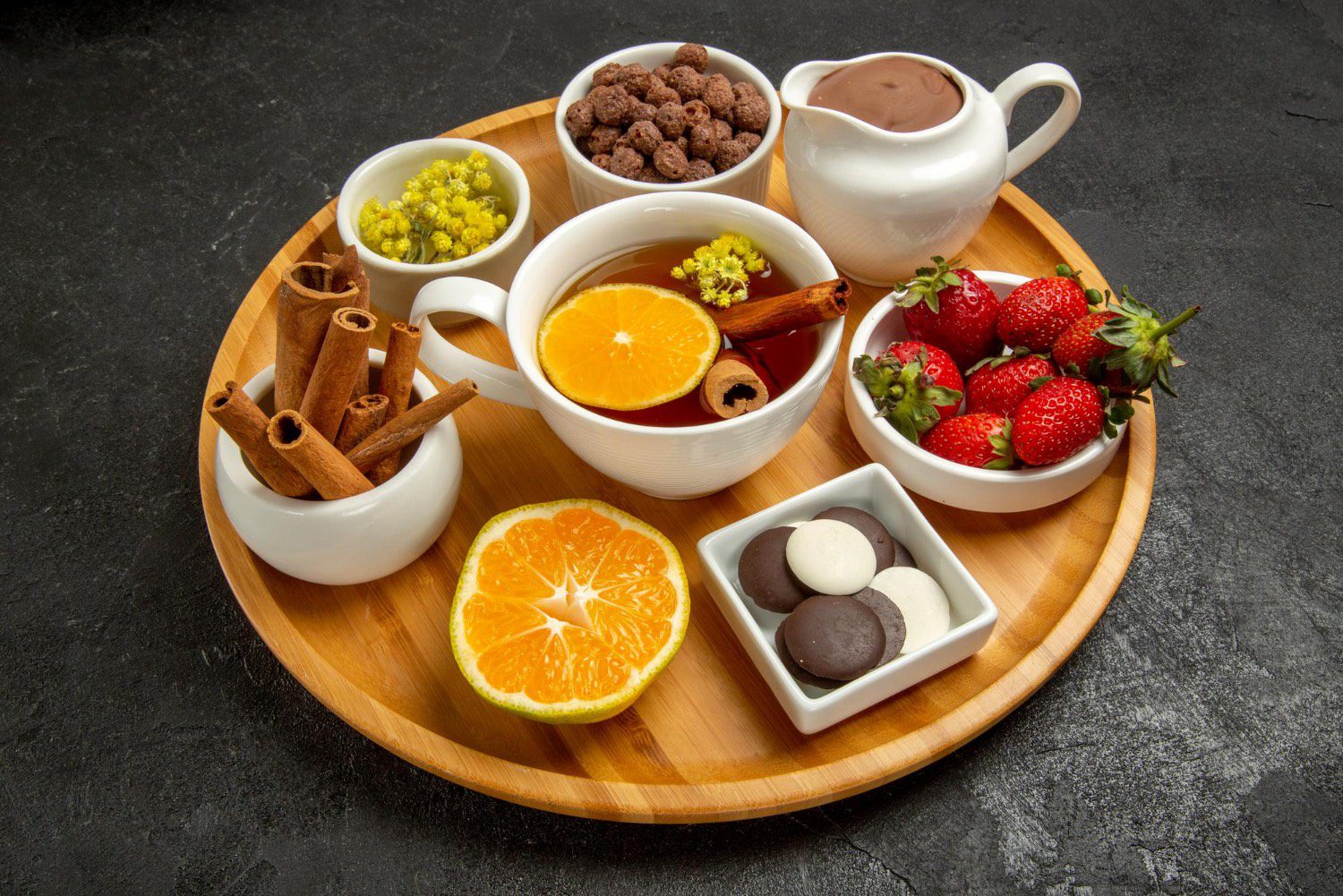
This blog post will examine the impact of these compounds, found in everyday beverages and foods like coffee, green tea, berries, and flavonoid-rich plants, on the progression and symptom management of Parkinson’s disease.
How Caffeine Helps Parkinson’s Disease
The antioxidants in caffeine contribute to its neuroprotective effects, countering the damaging molecules known as “free radicals.” This action is particularly beneficial in the brain, where it may protect neurons from damage and potentially improve cognitive functions in Parkinson’s disease and there is some evidence that it can delay onset of Parkinson’s disease.
Other antioxidant compounds also found in coffee can also decrease inflammation, and most research supports coffee and tea’s positive role in helping protect against cognitive decline.
Antioxidants in Parkinson’s Disease
The antioxidant properties of caffeine also play a significant role in neuroprotection, particularly relevant to Parkinson’s disease. Foods that also promote brain health due to their antioxidant properties include nuts like walnuts and almonds, herbs such as parsley, and spices like tumeric.
But is there too much of a Good Thing
As ever with nutrition and dietary interventions, the amount of caffeine you consume is critical. In some individuals it can contribute to anxiety and the ability to cope with stress is a feature of Parkinson’s Disease symptoms. Caffeine, if consumed too late in the day may contribute to difficulty sleeping in some people. Caffeine is also a risk factor for reflux.
The importance here is to assess whether or not you find caffeine helpful or if it increases any symptoms you may already have whether or not they are related to your diagnosis of Parkinson’s Disease.
Supporting your Symptoms
Supporting you during this challenging time involves a comprehensive approach that includes medication management, regular physical activity, stress reduction, and a tailored diet to your needs, rich in antioxidants and anti-inflammatory foods. Lifestyle modifications and therapies aimed at maintaining mental and physical health are also crucial.
Interested in learning more about how caffeine and antioxidants can play a role in your Parkinson’s diet? Let’s explore these options together. Book a meeting with me for tailored nutritional advice.”
References:
Ko, TK (2023) Cureus, Does Drinking Coffee Reduce the Incidence of Parkinson’s Disease? Jan 27;15(1):e34296. doi: 10.7759/cureus.34296. eCollection 2023 Jan.
Nehlig, A (2016). Effects of coffee/caffeine on brain health and disease: What should I tell my patients? doi: 10.1136/practneurol-2015-001162. Epub 2015 Dec 16.
#CaffeineAndHealth, #Antioxidants, #ParkinsonsDisease, #NeuroprotectiveDiet, #HealthcareResearch