If you’re struggling with persistent bloating, abdominal pain, or unpredictable bowel habits, you may have come across the term low-FODMAP diet. This scientifically backed dietary approach is designed to reduce gut discomfort and ease symptoms of conditions like IBS (Irritable Bowel Syndrome). But how do you start a low-FODMAP diet safely and effectively?
In this article, I’ll explain what the low-FODMAP diet is, how to begin, and why personalised guidance is key to long-term gut relief. You’ll also learn how I can help you navigate the process with my nutrition coaching services.

What is the Low-FODMAP Diet?
The low-FODMAP diet is an evidence-based dietary strategy designed to reduce digestive symptoms like bloating, gas, constipation, and diarrhoea. FODMAPs are Fermentable Oligosaccharides, Disaccharides, Monosaccharides, and Polyols—types of short-chain carbohydrates that are poorly absorbed in the small intestine.
When these carbohydrates reach the large intestine, gut bacteria ferment them, producing gas and drawing in water. This can lead to:
- Bloating
- Abdominal discomfort
- Changes in bowel habits
- Excess wind
By reducing FODMAP intake, many people experience significant gut relief.

How to Start a Low-FODMAP Diet
1. Understand the Three Phases
Starting a low-FODMAP diet involves three stages:
Elimination Phase – Removing high-FODMAP foods for 4-8 weeks.
Reintroduction Phase – Gradually reintroducing FODMAP groups to identify triggers.
Personalisation Phase – Maintaining a balanced, varied diet with only your specific trigger foods limited.
Working with a qualified professional is essential. I provide personalised support to guide you safely through each stage.
Find out more about my personalised approach here.

2. Know Which Foods to Avoid and Enjoy
High-FODMAP Foods to Limit:
- Onions, garlic, leeks
- Apples, pears, watermelon
- Wheat, rye, barley
- Milk, yoghurt, soft cheese
- Lentils, chickpeas, kidney beans
Low-FODMAP Foods You Can Enjoy:
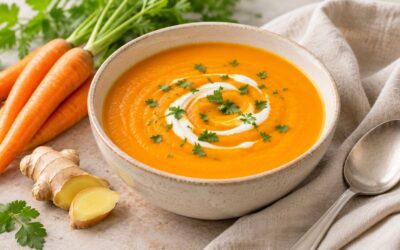
- Carrots, courgettes, spinach
- Bananas (unripe), blueberries, oranges
- Quinoa, rice, oats
- Lactose-free dairy
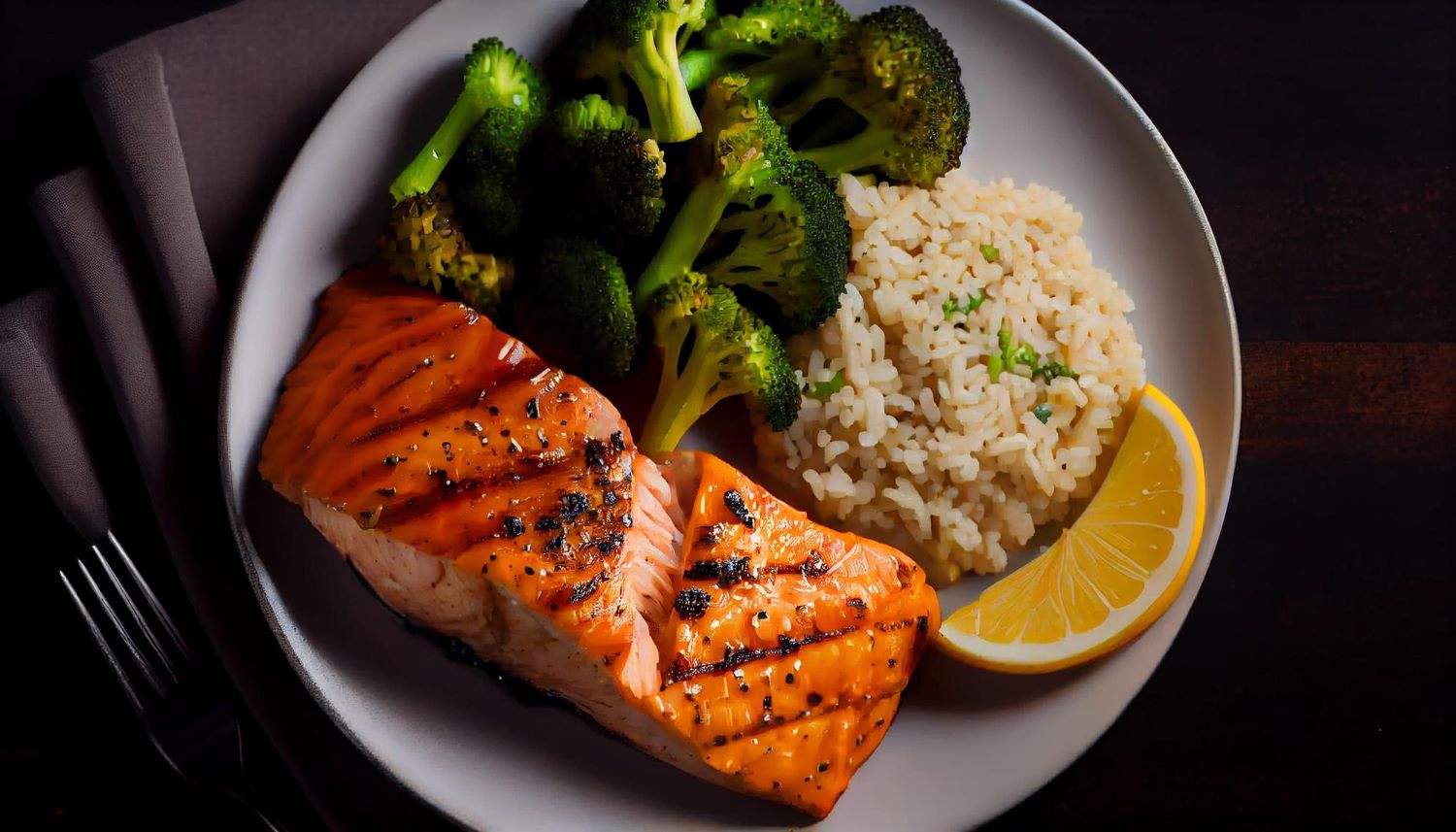
- Chicken, fish, eggs

3. Track Your Symptoms
A food and symptom diary is vital to spot patterns and reactions. I help my clients create a clear tracking strategy as part of my nutrition programmes.

4. Reintroduce Foods Systematically
Once your symptoms improve during elimination, it’s time to slowly reintroduce one FODMAP group at a time. This step is essential to avoid unnecessary food restrictions.

5. Maintain Gut Health During the Process
While following a low-FODMAP diet, it’s important to:
- Eat a variety of permitted vegetables and whole foods.
- Include probiotic foods like lactose-free yoghurt or fermented vegetables (if tolerated).
- Stay hydrated and eat fibre-rich, gut-friendly foods.
Learn more about my approach to gut health on my blog.

Why Personalised Support Matters
The low-FODMAP diet is not intended to be a long-term solution but a structured process to identify triggers. Following it without support can result in unnecessary food restrictions, anxiety around food, or missing out on essential nutrients for your long-term health.
This is why I offer tailored nutrition coaching to help you navigate the low-FODMAP diet while protecting your overall gut health and wellbeing.

Take Control of Your Gut Health
If you’ve been living with bloating, abdominal discomfort, or unpredictable digestion, the low-FODMAP diet may provide the gut relief you’ve been searching for. But it’s not something you should do alone.
“We have been using the services of Melody Mackeown, with good results…. and have resolved several issues, including constipation and ‘Runner’s Trots’ (diarrhoea when running), “